
 English
  Español
  français
  العربية
 Search
Search
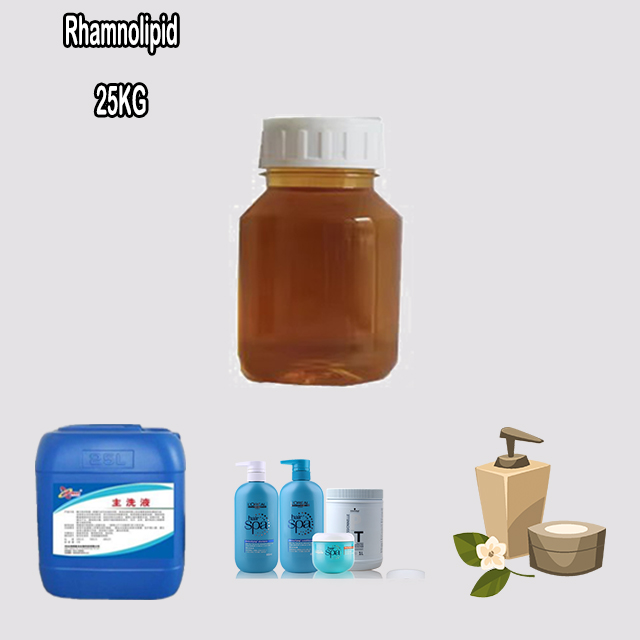
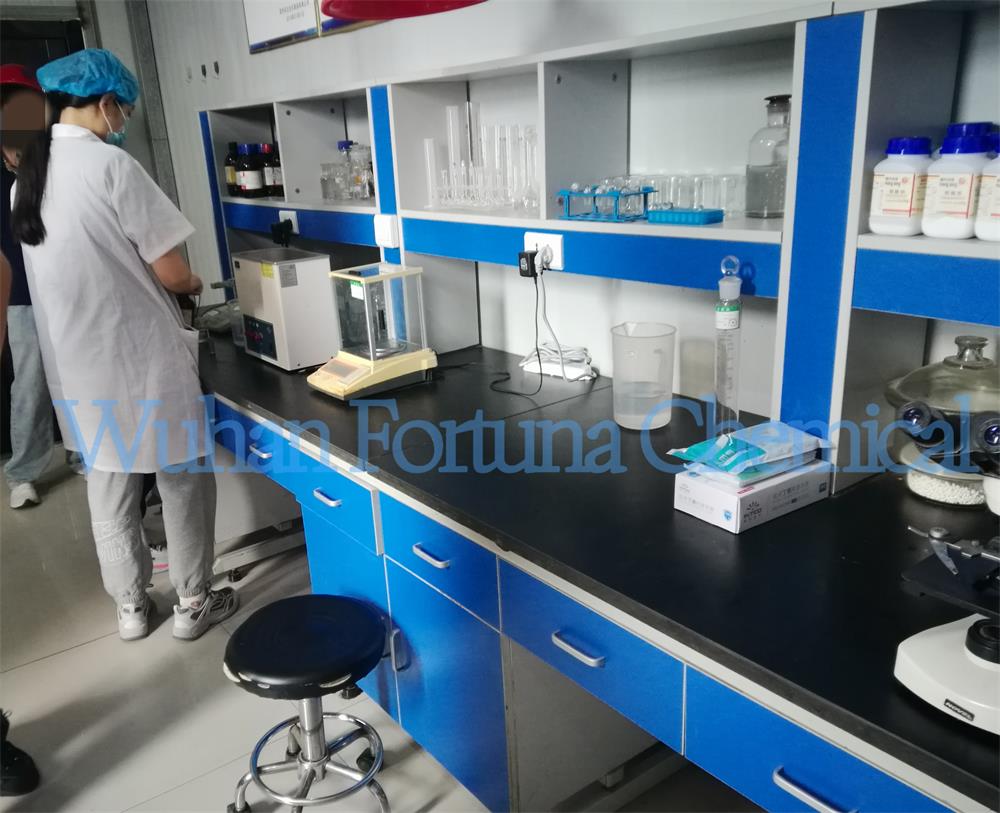
Rhamnolipid is a natural glycolipid biosurfactant mainly fermented. Its molecule combines hydrophilic rhamnose sugar units and hydrophobic fatty‑acid chains, featuring excellent emulsifying, wetting and foaming performance. It is low‑toxic, fully biodegradable and tolerates wide pH, temperature and salinity ranges. It is widely used in agriculture as bio‑fungicide and soil conditioner, in cosmetics and eco‑friendly detergents, for oil‑enhanced recovery and environmental bioremediation. It also shows promising antimicrobial effects for food preservation and pharmaceutical research
Specifications of Rhamnolipid CAS 869062-42-0 COA:
Items | Specifications | Results |
Appearance | Brown liquid | Complies |
Purity of RL | ≥98% | 98.87% |
Content of other proteins | ≤0.12% | 0.08% |
Water insoluble matter | ≤0.08% | 0.03% |
pH | 6.5~8.5 | 7.4 |
Heavy metals | ≤40mg/kg | 0 |
Total plate count | ≤500cfu/g | Pass |
Coliform flock | ≤300cfu/g | Pass |
Mold & Yeast count | ≤100cfu/g | Pass |
Store | Keep in dry and cool place | |
Conclusion | The product conforms to the above specifications. | |
CAS:869062-42-0
MF:N/A
Melting point :N/A
form:Liquid
color:Brown
Uses:
What is the application of Rhamnolipid
Rhamnolipid is a well‑studied glycolipid biosurfactant fermented mainly by Pseudomonas strains, combining strong surface‑active performance with low toxicity and complete biodegradability, which supports its broad commercial and research applications across multiple sectorsACS Public....
In agriculture, it works as bio‑control agent, foliar spray wetting agent and soil conditioner. It inhibits plant‑pathogenic bacteria and fungi, improves fertilizer spreading on waxy leaf surfaces, chelates trace minerals for better crop uptake, and helps rehabilitate degraded soil, reducing dependence on chemical agro‑inputs.
For environmental engineering, it serves microbial‑enhanced oil recovery by lowering interfacial tension to release trapped crude oil. It also handles bioremediation: solubilizing hydrocarbon pollutants from oil‑spilled soil and seawater, complexing heavy‑metal ions to reduce contamination mobility, and boosting degradation of residual pesticidesPMC.
In personal‑care and household cleaning, it replaces harsh synthetic surfactants. Thanks to mild skin compatibility, it is added to micellar toners, shampoos, body wash and toothpaste. It delivers stable foaming and emulsifying effects for eco‑friendly dishwashing and surface detergents without persistent environmental residues.
Food‑related usage focuses on food‑contact sanitisation and antimicrobial preservation. It suppresses common food‑borne pathogens such as Listeria and Salmonella. Nevertheless, large‑scale direct food‑additive application remains limited by regional regulatory restrictionsPMC.
In pharmaceutical fields, rhamnolipid displays antibacterial, anti‑biofilm and wound‑healing properties. Researchers explore it for topical formulations, drug‑delivery nanocarriers and anti‑microbial medical‑coating materials, though most medical uses stay at laboratory‑trial stage rather than mass production.
Despite versatile merits, production‑cost pressure restricts wider penetration. Most real‑world volumes go to agriculture, environmental restoration and green cleaning markets currently.




Also, if you have any other questions, you can contact us
FAQ From Wuhan Fortuna Chemical Co.,Ltd
Q1: Can I get a sample for free ?
A: For small QTY and low value product, we can provide sample for free exclude shipping cost. For high value sample, we will charge the basic sample cost, but we can refund all the cost if customers place order after sample test.
Q2: How to confirm the product quality before placing orders ?
A: Most of our products confirm to international standards like USP/EP/BP/JP/CP. We will provide COA/TDS/MSDS for customers to confirm the specification before placing order.
Q3: What is the payment you accept?
A: For small and low value order, we accept CreditCard, MaterCard,VISA,Western Union and T/T.For large order, we can do T/T and L/C. Any pay on delivery or pay-after are not available for us.
Q4: What is your shipment way ?
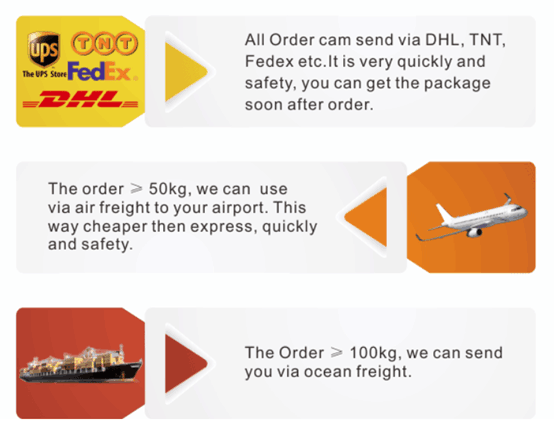
A: For less than 100kg gross weight order will ship with courier like FedEx or UPS, we support customers to place courier orders remotely by their account, we will package the goods well and wait for pick up.For more than 100kg goods, we will transport by Air or Sea according to customers' requirement.
Q5: How long is your after-sales service?
A: We accept customer’s quality complaint in three month after customer received the goods. We provide tech.support for all-life if customer place order from our company.
Q6: How do you treat quality complaint ?
A: We support customer to provide our products to any rightful third party testing organization to test our products according to the COA specification, if the test result is confirm with COA, we will take all the loss for customers.

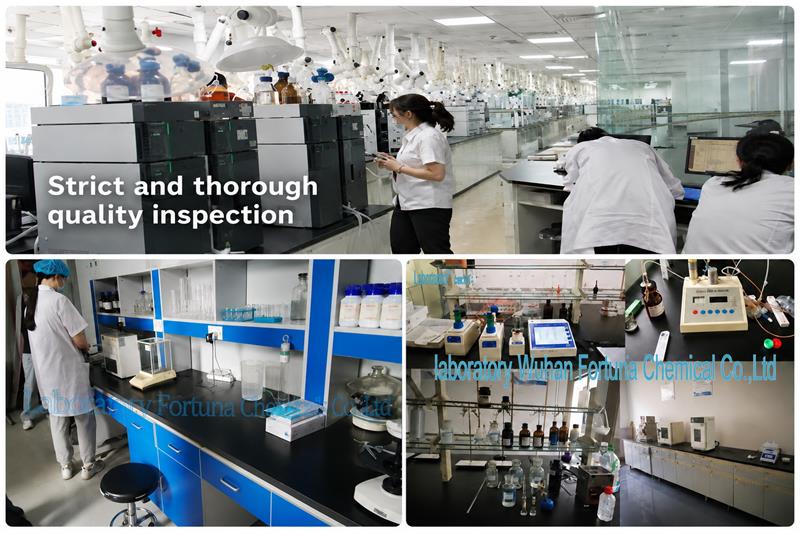
Name:Wuhan Fortuna Chemical Co.,Ltd
Category:Others
Trade Category: Trading Company
Employees: 11 - 50 People
Address: Room 2015, No.2 Building, Kaixin Mansion No.107
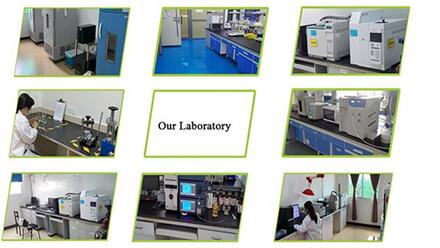
Company Information: Wuhan Fortuna Chemical Co.,Ltd established in 2006, is a big integrative chemical enterprise being engaged in Pharmaceutical and Intermediates, Food and Feed additives, Fine chemicals,Biochemical and Reagent, which is the members of Hubei E-commerce Chamber.
Our company has professional persons who major in chemical R&D and sicentific management, supply fine chemical products with high quality and close service, also supply custom-tailored products according to our clients' requirement.
We have a positive and self-motivated management work team with a common philosophy, caring and commitment through teamwork, our team strive to achieve success in delighting our clients and ourselves.
Since Wuhan Fortuna Chemical Co., Ltd founded, we continuously innovate our products and improve our service, sales network. Hence, we initiate the first sale mode on net in China, which is the retail trade of small package bring along wholesale of diversified management modes. Our products are exported widely to South Korea, Vietnam, Australia, Europe and South America, highly recommended by our clients.We insist on the management creed “Market is our compass, Quality is our life, Credit is our soul”. Clients’ trust is our forward power, their satisfaction is our struggling goal.
Wuhan Fortuna Chemical Co.,Ltd is a professional manufacturer which provide Rhamnolipid with good quality and best price, welcome to contact us to get COA/TDS/MSDS of Rhamnolipid.
1. Guaranteed purity;
2. Large quantity in stock;
3. Largest manufacturer;
4. Best service after shipment with email;
5. High quality & competitive price;

Fortunachem Provides Not Only Professional Chemical Products But Also Professional Help
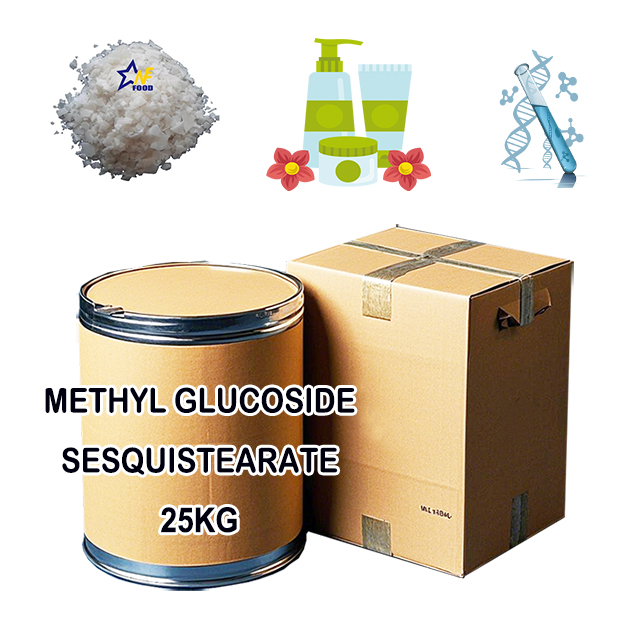
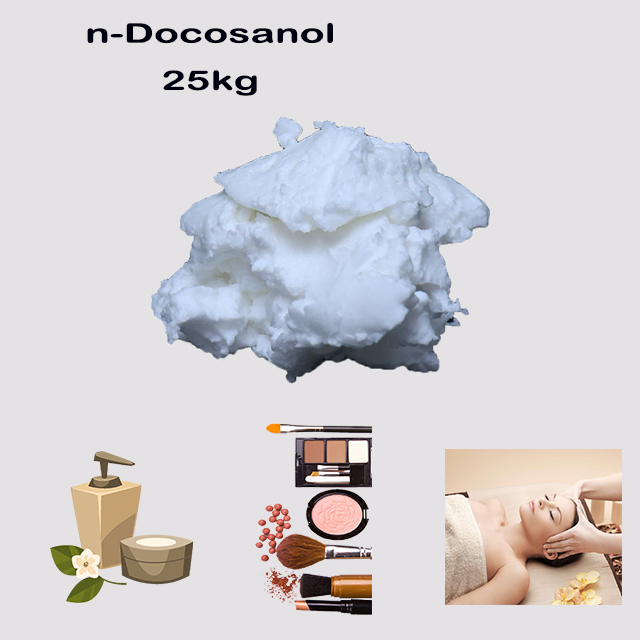
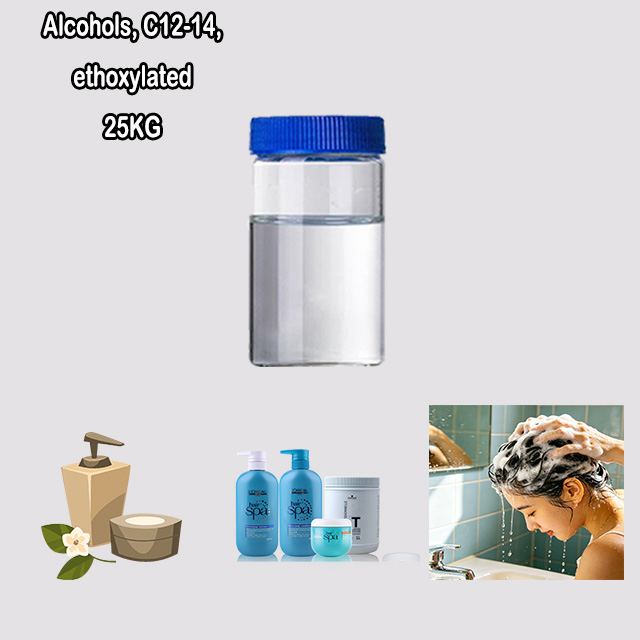
Keeping you up-to-date with all the latest information, news, and events about Fortunachem!



Quick Links
Add:
E-mail:
 中文
中文