 English
  Español
  français
  العربية
 Search
Search
主图.webp "Chemical Factory Supply High Quality Best Price Poly(dimethylsiloxane) CAS 9016-00-6 with good service wholesale")
Poly(dimethylsiloxane) — PDMS / Dimethicone (150-word summary)
Poly(dimethylsiloxane) (PDMS, CAS 63148-62-9; INCI Dimethicone) is the archetypal silicone polymer: a flexible Si–O backbone with methyl side groups, supplied as clear, odorless fluids, gums, elastomers, resins and emulsions from 0.65 cSt to million-cSt viscosity. Its Si–O bond delivers thermal/oxidative stability (−50 to +200 °C), while methyl groups give ultra-low surface tension (~20 mN/m), water repellency and chemical inertness; it is also optically clear, electrically insulating and highly gas-permeable.
Main uses: personal care (conditioners, creams, sunscreens—slip, softness, frizz control); antifoams/defoamers in food (E900), fermentation, paper, wastewater and detergents; silicone rubbers and sealants (LSR/RTV) for medical devices, automotive and electronics; release coatings, additives and water repellents; pharma/medical (simethicone, wound dressings, tubing); heat-transfer/dielectric fluids; and soft-lithography microfluidics.
Selling points: one tunable platform serving dozens of specs, ppm-level dosing efficiency, long shelf life, non-hazardous ambient shipping, and a deep regulatory dossier (food/pharma/cosmetics/medical). Watch-outs: D4/D5/D6 cyclic restrictions, "silicone-free" trends, poor substrate adhesion without treatment, and DMC-driven price swings.
Specifications of Poly(dimethylsiloxane) CAS 9016-00-6 COA:
Items | Specifications | Results |
Appearance | Colorless transparent oily liquid | Qualified |
Viscosity (25℃, mm²/s) | 350±20 | 357 |
Refractive Index (25℃) | 1.4013~1.4053 | 1.4039 |
Flash Point (Open Cup), ℃ | ≥300 | 327 |
Specific Gravity at 25℃ | 0.965~0.973 | 0.970 |
Pour Point, ℃ | -50 | -50 |
Lead (Pb), mg/kg | ≤1 | Not Detected |
Conclusion | The product conforms to the above specifications. | |

Product Name:Poly(dimethylsiloxane)
CAS:9016-00-6
MF:(C2H6OSi)n
Melting point :-35°C
form:oily liquid
color:Colorless transparent
| Item | Details |
|---|---|
| Common names | Polydimethylsiloxane, PDMS, dimethyl silicone oil, dimethicone (INCI), simethicone (activated/with silica) |
| CAS | 63148-62-9 (polymer substance); INCI Dimethicone; E900 (food antifoam) |
| Structure | Linear or cyclic siloxane backbone [–Si(CH₃)₂–O–]ₙ, end-capped with trimethylsilyl (or OH/Vinyl/H for reactive grades) |
| Appearance | Clear, colorless, odorless liquid to semi-solid/gum (viscosity-dependent) |
| Density | ~0.96–0.98 g/cm³ |
| Refractive index | ~1.403 (optically transparent, UV-transparent to ~280 nm) |
| Surface tension | ~20–21 mN/m (one of the lowest of any liquid) |
| Viscosity range | ~0.65 cSt (hexamethyldisiloxane-like) up to >10⁷ cSt gums — the single most important grading parameter |
| Temp window | Pour point ≈ −50 °C; flash point typically >250 °C; continuous use ~−50 to +200 °C (short-term higher) |
| Dielectric constant | ~2.5–2.8; volume resistivity very high |
| Gas permeability | Very high O₂/CO₂ permeability among polymers |
| Solubility | Insoluble in water, methanol; soluble in aliphatic/aromatic/halogenated hydrocarbons; immiscible with most organics → forms the basis of defoaming |
| Storage | 2 years+ in sealed original containers, dry, ambient; non-hazardous, non-corrosive |
Chemically, PDMS is the archetype silicone polymer: an inorganic Si–O backbone (high bond energy, flexible, low rotation barrier) with organic methyl side groups. The Si–O bond gives thermal/oxidative stability and flexibility (Tg ≈ −123 °C); the methyl groups give hydrophobicity and low surface energy. It is made by hydrolysis/condensation of dimethyldichlorosilane (from silicon metal + methyl chloride) → cyclic DMC (D4/D5/D6) → ring-opening polymerization with end-blockers, then neutralization/stripping. Commercial forms include fluids, gums, elastomers (RTV-1/RTV-2, HCR, LSR), resins (MQ/silicone resins), emulsions, and functionalized derivatives (amino, polyether, phenyl, vinyl, hydroxyl, alkyl-modified).
2. Main uses (by volume/value)
LSR/HTV (HCR): medical tubing, catheters, implants, baby nipples, kitchenware, bakeware, seals/gaskets, EV battery & electronics potting, cable insulation.
RTV-1/RTV-2 sealants & adhesives: construction glazing, automotive gasketing, electronics encapsulation, mold-making (addition-cure platinum molds).
Silicone pressure-sensitive adhesives, tapes, medical device bonding.
Extreme temperature stability: −50 to +200 °C usable window with minimal viscosity change; high viscosity index, low pour point — outperforms mineral/PAO oils where heat or cold is the failure mode.
Ultra-low surface tension (~20 mN/m): unmatched spreading/wetting, release, water repellency and foam control at ppm-level dosages → cost-in-use advantage.
Chemical & oxidative inertness: non-ionic, non-corrosive, odorless/tasteless, color-stable, resistant to UV/ozone (relative to organics), shear-stable, non-plasticizing to many plastics.
Breathable yet water-repellent: high O₂/CO₂ permeability + hydrophobicity = ideal for wound care, contact lenses, medical tubing, breathable waterproofing.
Biocompatibility & regulatory pedigree: long history of safe use in food (E900), cosmetics (globally listed), pharma (USP-NF/EP simethicone/dimethicone), medical devices (ISO 10993 packages available) — lowers customers' qualification risk.
Optical clarity & electrical insulation: transparent, low dielectric constant/high resistivity → optics, LEDs, potting, HV insulation.
Tunable by design: viscosity/MW, end-groups (OH, vinyl, H, amino), architecture (linear, cyclic, branched MQ resin), and functional modifications (polyether, phenyl, alkyl, amino) let one platform serve dozens of specs; crosslinkable into elastomers/gels.
Easy to dose & ship: emulsifiable into water-based systems; non-hazardous, non-volatile (high-boiling grades), ambient storage, long shelf life → lower freight/storage costs than solvents or cold-chain materials.
Regulatory pressure on cyclic siloxanes: D4 is restricted under REACH; D5 limited to 0.1% in rinse-off cosmetics in the EU; D6 faces similar scrutiny. Customers increasingly demand low-cyclic / cyclic-free PDMS — make your D4/D5/D6 ppm data a selling point, not an afterthought. Environmental persistence/vPvB debates and wastewater/STP volatility mean some regions monitor siloxanes in effluent and biogas.
"Silicone-free" marketing trend: in haircare/skin care, some brands avoid silicones for claim reasons; counter-position with volatile-free, high-durability or bio-alternative-blend strategies rather than ignoring it.
Performance limits: poor adhesion to substrates without primers/plasma treatment (notably PDMS in microfluidics), low tear strength when unfilled, swelling in hydrocarbons, low tensile vs engineering plastics, can cause fish-eye/coating defects if incompatible, and can migrate/bloom at high loadings.
Feedstock & price cycle: prices track silicon metal → methyl chloride → DMC, with China DMC capacity swings creating volatility and periodic oversupply; lock in contracts and hedge with inventory planning. Also energy-intensive production → carbon-footprint questions from ESG-conscious buyers.
Handling/safety: generally low hazard, but low-viscosity grades are slippery (fall hazard), and fine silica-containing activated antifoams carry inhalation/silica considerations; avoid mixing strong oxidizers/acids/bases at high temperature (can depolymerize/back-bite to cyclics). Do not use in oxygen-rich/high-pressure systems without compatibility review.
Compliance boundary: intermediate/finished-grade claims must match the grade's actual approvals — do not extend food/medical claims from a technical-grade product.

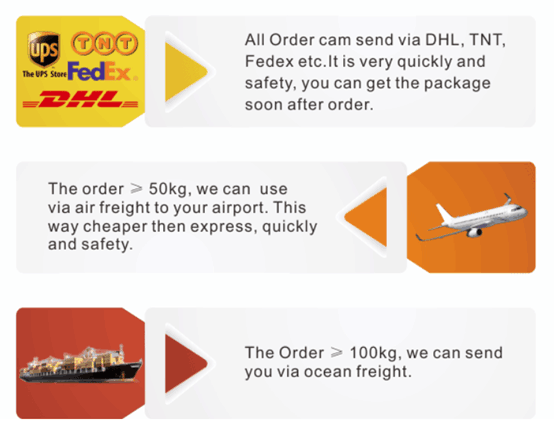
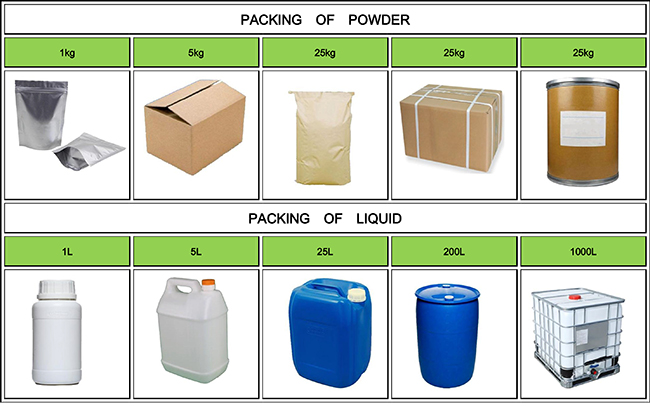

Fortunachem Provides Not Only Professional Chemical Products But Also Professional Help
Keeping you up-to-date with all the latest information, news, and events about Fortunachem!



Quick Links
Add:
E-mail:
 中文
中文