
 English
  Español
  français
  العربية
 Search
Search
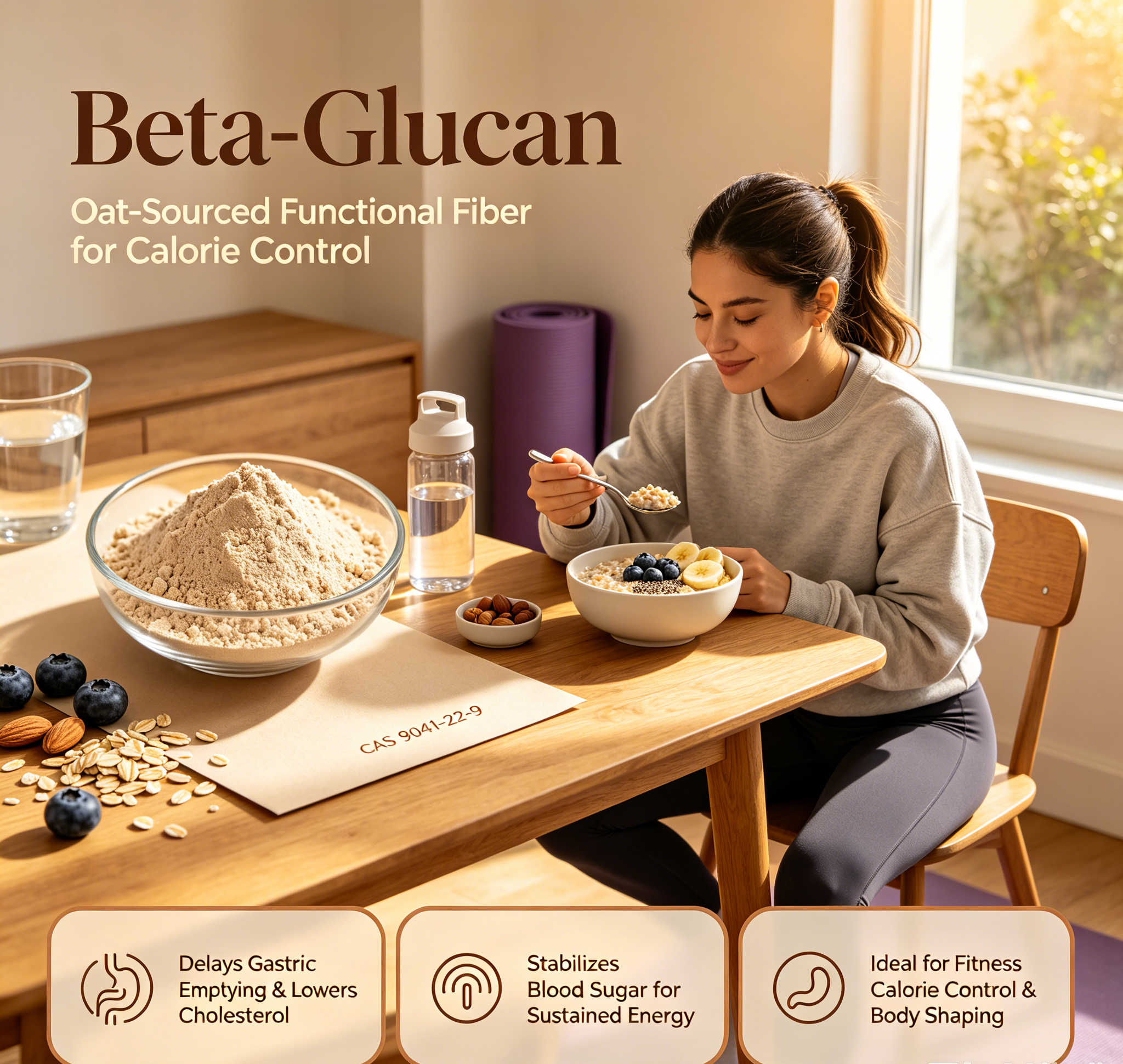
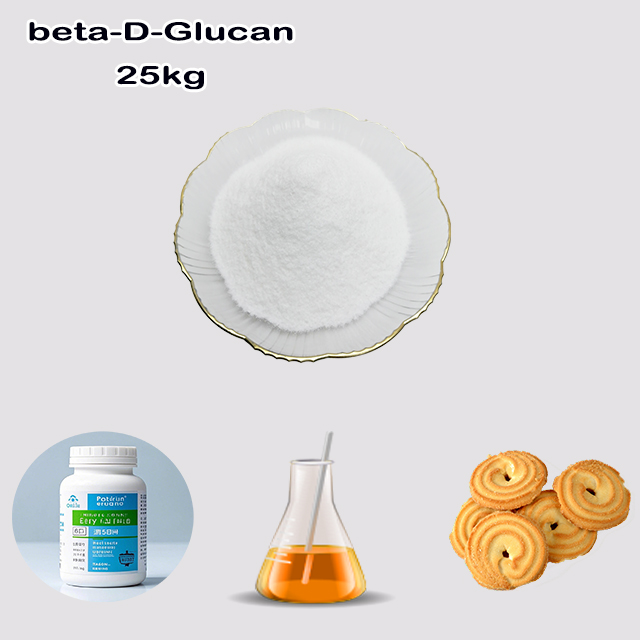
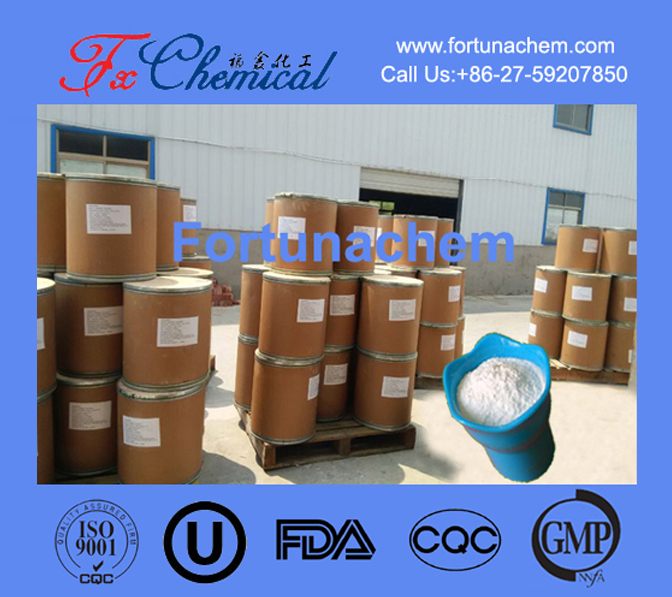
Beta‑D‑Glucan (CAS 9012‑72‑0) is a natural polysaccharide polymer composed of D‑glucose monomers connected via β‑glycosidic linkages. It is abundantly found in yeast cell walls, mushrooms, oats, barley and some algae. Its biological properties largely depend on molecular structure. Yeast‑derived beta‑D‑glucan features β‑1,3‑linked main chains with β‑1,6 side branches, which is well‑documented for immunomodulating activity by stimulating macrophages and other immune‑related cells. Oat‑sourced beta‑D‑glucan carries mixed β‑1,3 and β‑1,4 bonds, acting as soluble dietary fibre that helps lower LDL‑cholesterol and moderate post‑prandial blood sugar.

CAS:9041-22-9
MF:C18H30O14X2
Melting point :2-8°C
form:powder
color:White to pale yellow
Uses:
Beta-D-Glucan (CAS 9041-22-9) — A Comprehensive Overview
I. What Is Beta-D-Glucan?
Beta-D-Glucan (CAS No. 9041-22-9) is a class of natural polysaccharides composed of D-glucose monomers linked through β-glycosidic bonds. Depending on the source, the glycosidic linkage patterns differ significantly:
Cereal-derived (oats, barley): Predominantly β-(1→3,1→4)-glucan, a mixed-linkage type excelling in glycemic control, cholesterollowering, and gut health — the primary focus of this analysis;
Mushroom/yeast-derived: Predominantly β-(1→3,1→6)-glucan, with more active immunomodulatory properties.
Oat β-glucan resides within the cell walls of the oat endosperm and aleurone layer, constituting the most critical bioactive component of oats. Over 70% of oat β-glucan is concentrated in oat bran, with typical content ranging from 4% to 10%.
Key Physicochemical Properties
| Parameter | Specification |
|---|---|
| Appearance | White to pale yellow powder |
| Solubility | Water-soluble; forms viscous gel upon hydration |
| Molecular weight | 6.5×10⁴ – 3.1×10⁶ Da |
| Glycosidic bond ratio | β-(1→4) ~70%, β-(1→3) ~30% |
| Viscosity profile | High viscosity; capable of forming gel matrices |
| Safety | Recognized as GRAS (Generally Recognized as Safe) by the U.S. FDA |
Global Regulatory Certifications
β-Glucan is among the most comprehensively regulated functional fibers worldwide:
U.S. FDA: Approved health claim since the 1990s — "Diets low in saturated fat and cholesterol that include 3 g or more of β-glucan from oats per day may reduce the risk of heart disease by lowering blood cholesterol";
European EFSA: Two approved health claims — "Oat β-glucan has been shown to lower/reduce blood cholesterol" and "Oat β-glucan contributes to the attenuation of the postprandial glycemic response" (4 g of oat β-glucan per 30 g of available carbohydrates significantly reduces postprandial glycemic response);
China: The Chinese Dietary Reference Intakes (2023 Edition) incorporated a comprehensive analysis of 28 randomized controlled trials covering 2,519 subjects, confirming the association between daily intake of 3 g or more of oat-derived β-glucan and blood cholesterol metabolism.
II. Roles in Sports Health and Fitness/Body Shaping
1. Delayed Gastric Emptying — Enhanced Satiety and Total Energy Intake Control
The most fundamental physicochemical property of oat β-glucan is its high-viscosity gel-forming capacity. Upon entering the digestive tract, it rapidly absorbs water and swells, forming a viscous gel-like matrix within the gastrointestinal lumen. This property directly yields multiple physiological effects:
Delayed gastric emptying rate: The high-viscosity gel increases the viscosity of gastric contents, slowing their transit rate into the duodenum and prolonging gastric retention time, thereby producing sustained satiety;
Appetite suppression and reduced food intake: Prolonged satiety directly inhibits subsequent eating desire. Studies have demonstrated that a breakfast containing 4 g of oat β-glucan significantly reduces subjective hunger and eating intention throughout the day;
Reduced subsequent caloric intake: Consumption of egg-oatmeal at breakfast resulted in an average reduction of approximately 120 kcal at the subsequent lunch meal, with long-term adherence reducing body fat percentage by 2%–4%.
For fitness and body-shaping populations, the core challenge during a fat-loss phase is maintaining a sustained caloric deficit without experiencing excessive hunger. β-Glucan provides a "natural satiety" mechanism through physical gastric emptying delay, enabling trainees to manage hunger comfortably while adhering to strict caloric restriction.
2. Blood Glucose Stabilization — Suppression of Lipogenic Signaling
The postprandial glycemic modulation effects of β-glucan have been extensively validated by clinical research. A meta-analysis encompassing 538 subjects across 103 controlled trials found that adding oat β-glucan concentrate to high-glycemic meals resulted in:
23% reduction in glucose area under the curve (AUC);
28% reduction in peak blood glucose;
22% reduction in insulin AUC;
24% reduction in peak insulin levels.
The underlying mechanism lies in the high-viscosity environment created by β-glucan within the digestive tract, which impedes the contact surface between saccharides and the intestinal absorptive epithelium, thereby slowing the rate of glucose entry into the bloodstream and flattening the postprandial glucose curve.
For fitness populations, stable blood glucose translates to lower insulin fluctuations. Insulin is among the most critical anabolic hormones in the body; frequent insulin peaks:
Promote lipogenesis;
Inhibit lipolysis;
Trigger reactive hypoglycemia following rapid postprandial glucose decline, generating intense hunger and cravings for high-sugar foods.
By attenuating both glucose and insulin peaks, β-glucan fundamentally reduces these metabolically unfavorable signals for body composition, enabling trainees to maintain more stable energy states and lower lipogenic tendencies.
3. Reduced Cholesterol Absorption — Optimized Lipid Metabolic Environment
The cholesterol-lowering mechanisms of β-glucan have been thoroughly elucidated, involving three primary pathways:
Bile acid binding and enhanced fecal excretion: The viscous gel-like β-glucan binds bile acids within the intestinal lumen, promoting their fecal excretion and reducing bile acid reabsorption. To compensate for bile acid losses, the liver accelerates the conversion of circulating cholesterol into bile acids, thereby lowering serum cholesterol levels;
Reduced small intestinal absorption of dietary fats and cholesterol: The gel matrix of β-glucan can encapsulate luminal lipids, reducing their contact with the intestinal mucosa and decreasing the absorption of fats and cholesterol;
Short-chain fatty acid-mediated inhibition of cholesterol synthesis: Short-chain fatty acids (particularly propionate) produced by microbial fermentation of β-glucan in the colon can inhibit hepatic de novo cholesterol synthesis.
Meta-analyses demonstrate that daily intake of 3 g or more of oat β-glucan for 6 weeks or longer can reduce total cholesterol and LDL-C by 5%–10%, without affecting HDL-C or triglyceride levels.
For fitness populations — particularly those in a "dirty bulking" phase or consuming diets with elevated fat proportions — β-glucan helps counteract the dyslipidemic effects of high-fat diets and supports cardiovascular health.
4. Anti-Fatigue and Exercise Endurance Enhancement
The value of oat β-glucan in exercise endurance has also been supported by animal studies. Research has shown that mice supplemented with oat β-glucan exhibited a 30% improvement in swimming endurance. The mechanisms involve:
Increased post-exercise hepatic glycogen reserves: β-Glucan significantly increases liver glycogen content in post-exercise mice, ensuring adequate energy supply;
Accelerated lactate metabolism: Enhanced post-exercise serum lactate dehydrogenase (LDH) activity accelerates the clearance rate of lactate from the body;
Reduced post-exercise blood urea nitrogen (BUN): Decreased accumulation of protein catabolic byproducts, delaying fatigue onset;
Attenuated oxidative stress: Elevated post-exercise SOD enzyme activity in serum, liver, and muscle, with reduced MDA content, mitigating exercise-induced oxidative damage.
5. Weight Management and Anti-Obesity Effects
A 2024 study published in The Journal of Nutrition directly compared the effects of multiple dietary fibers (β-glucan, pectin, resistant starch, wheat dextrin, and cellulose) on high-fat diet-induced obesity in mice. The results revealed that only β-glucan was able to:
Significantly slow the rate of high-fat diet-induced weight gain;
Reduce obesity incidence;
Preserve lean mass;
Increase 24-hour total energy expenditure (particularly during the dark cycle);
Increase physical activity levels (increased distance traveled in the cage during the dark cycle).
Other fibers (pectin, resistant starch, cellulose), despite capable of inducing gut microbiome alterations, did not demonstrate glycemic control or weight-reduction effects. This finding establishes the unique position of β-glucan among dietary fiber categories.
III. Gut Microbiota Modulation — Prebiotic Function
As a water-soluble dietary fiber, β-glucan cannot be directly hydrolyzed by human digestive enzymes but reaches the large intestine where it is fermented and utilized by gut microorganisms, exerting prebiotic functions.
Core Prebiotic Effects
Promotion of Bifidobacterium and Lactobacillus proliferation: β-Glucan is preferentially fermented by bifidobacteria and lactobacilli in the colon, promoting their growth and proliferation, thereby improving gut microecological balance;
Short-chain fatty acid (SCFA) production: Fermentation products are primarily acetate, propionate, and butyrate — SCFAs that participate in the regulation of glucose and lipid metabolism, with auxiliary lipid-lowering and glycemic control effects;
Reduced Firmicutes/Bacteroidetes ratio: Associated with a healthier metabolic phenotype.
In May 2026, a research team at Huazhong University of Science and Technology published findings in a Cell sub-journal further revealing that oat β-glucan significantly promotes the proliferation of Faecalibacterium prausnitzii in the gut, a bacterium whose butyrate and 3-indolepropionic acid production plays a role in remodeling the tumor immune microenvironment and enhancing T cell activity.
For fitness populations on long-term high-protein diets that may disrupt gut microbial ecology, β-glucan as a prebiotic substrate helps maintain microbial diversity and intestinal barrier integrity.
IV. Preferred Ingredient Among European and American Natural Health Brands — Market Positioning and Competitive Advantages
1. Dual "Whole Grain + Functional" Label Advantage
β-Glucan is naturally derived from oats — a globally recognized "super whole grain" — inherently carrying brand associations of "natural, safe, and healthy." Unlike synthetic or semi-synthetic functional ingredients, β-glucan's "food-sourced" attribute makes it perfectly aligned with the "Food as Medicine" and "Clean Label" philosophies prevalent in European and American markets. Consumers face no psychological burden regarding "chemical additives," resulting in exceptionally high acceptance.
2. The Most Comprehensive Global Health Claim Endorsement
β-Glucan is among the dietary fibers with the most officially approved health claims worldwide:
| Regulatory Body | Approved Health Claim |
|---|---|
| U.S. FDA | "Diets low in saturated fat and cholesterol that include 3 g or more of β-glucan from oats per day may reduce the risk of heart disease" |
| European EFSA | "Oat β-glucan has been shown to lower/reduce blood cholesterol" + "Oat β-glucan contributes to the attenuation of the postprandial glycemic response" |
| Health Canada | Similar cholesterol-lowering health claim |
This enables brand owners to legitimately use these health claims on product packaging and marketing materials, significantly enhancing product credibility and consumer purchase confidence.
3. Adoption by Leading European and American Sports Nutrition Brands
β-Glucan has been incorporated into product lines by numerous mainstream global sports nutrition and health brands:
Myprotein: Launched 100% pure oat products containing 4.4 g of β-glucan per 100 g, promoting three core selling points — "excellent source of β-glucan," "can reduce blood glucose rise after a meal," and "has been shown to lower/reduce blood cholesterol";
Quaker Oats: As the world's largest oat brand, its product lines feature β-glucan content as a core selling point;
Numerous European and American natural health brands incorporate β-glucan as a core functional ingredient in weight management, glycemic support, and cardiovascular health products.
4. Exceptional Formulation Compatibility
β-Glucan can be compounded with virtually all mainstream sports nutrition functional ingredients:
β-Glucan + whey protein: High protein + high fiber + low GI — ideal for meal replacement shakes and "clean carbohydrate" supplementation during bulking phases;
β-Glucan + MCT oil powder: Balances satiety with rapid energy delivery — suitable for ketogenic or low-carbohydrate diet populations;
β-Glucan + probiotics: A "synbiotic" combination of prebiotic + probiotic, synergistically improving gut health;
β-Glucan + plant sterols: Dual cholesterol-lowering mechanism, reinforcing cardiovascular protective function.
5. Diverse Product Formats
β-Glucan product formats available in the market include:
Oat bran powder: The most natural form; can be directly added to yogurt, shakes, or baked goods;
High-purity β-glucan extract: Purity 70%–90%; suitable for capsules/tablets requiring precise dosage control;
Ready-to-eat oatmeal: Retains whole grain form; each serving provides approximately 2 g of β-glucan;
Functional beverages/shakes: Compounded with protein powders, vitamins, etc., to create all-in-one sports nutrition drinks.
V. Summary
Beta-D-Glucan (CAS 9041-22-9), as the core functional fiber derived from oats, has become an ingredient of tremendous value in the sports health and fitness/body-shaping domains,its multifaceted physiological functions — delayed gastric emptying, enhanced satiety, stabilized blood glucose fluctuations, reduced cholesterol absorption, and gut microbiota modulation.
Its unique high-viscosity gel-forming capacity serves as the core physicochemical foundation underlying these functions — by forming a viscous gel matrix within the digestive tract, β-glucan simultaneously achieves the "three birds with one stone" effect of delayed sugar and lipid absorption, enhanced satiety, and improved gut microecology.
As a preferred ingredient among European and American natural health brands, β-glucan holds an irreplaceable position in the global functional food and sports nutrition markets through its four core advantages: "whole grain origin + the most comprehensive global health claims + clean label compatibility + exceptional formulation versatility." For fitness populations pursuing "scientific caloric control + comfortable satiety + long-term sustainability," β-glucan stands as one of the most evidence-supported functional ingredients among all dietary fiber categories available today.





Also, if you have any other questions, you can contact us
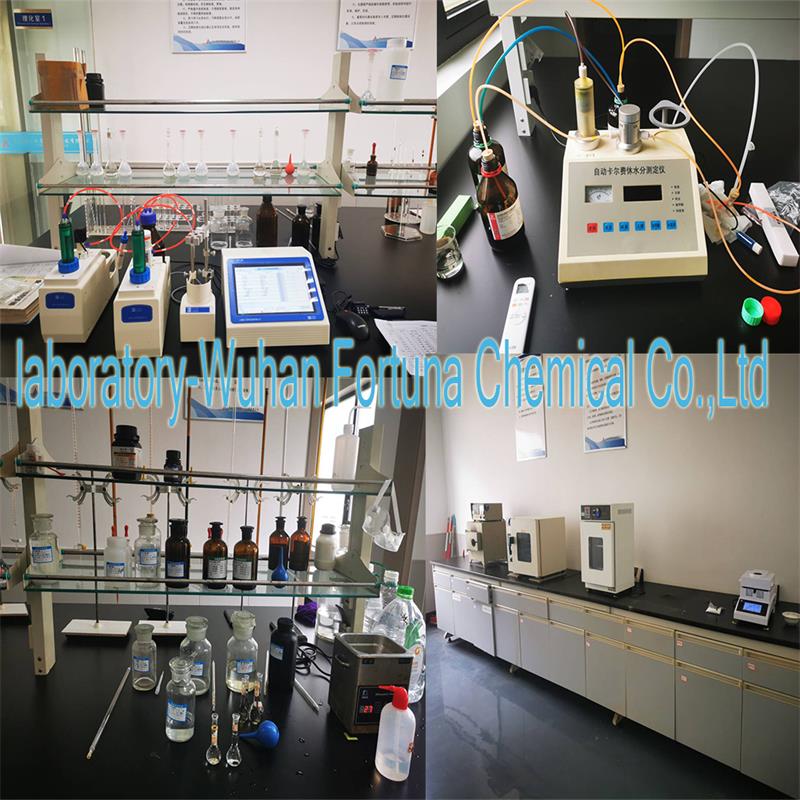
FAQ From Wuhan Fortuna Chemical Co.,Ltd
Q1: Can I get a sample for free ?
A: For small QTY and low value product, we can provide sample for free exclude shipping cost. For high value sample, we will charge the basic sample cost, but we can refund all the cost if customers place order after sample test.
Q2: How to confirm the product quality before placing orders ?
A: Most of our products confirm to international standards like USP/EP/BP/JP/CP. We will provide COA/TDS/MSDS for customers to confirm the specification before placing order.
Q3: What is the payment you accept?
A: For small and low value order, we accept CreditCard, MaterCard,VISA,Western Union and T/T.For large order, we can do T/T and L/C. Any pay on delivery or pay-after are not available for us.
Q4: What is your shipment way ?
A: For less than 100kg gross weight order will ship with courier like FedEx or UPS, we support customers to place courier orders remotely by their account, we will package the goods well and wait for pick up.For more than 100kg goods, we will transport by Air or Sea according to customers' requirement.
Q5: How long is your after-sales service?
A: We accept customer’s quality complaint in three month after customer received the goods. We provide tech.support for all-life if customer place order from our company.
Q6: How do you treat quality complaint ?
A: We support customer to provide our products to any rightful third party testing organization to test our products according to the COA specification, if the test result is confirm with COA, we will take all the loss for customers.


Name:Wuhan Fortuna Chemical Co.,Ltd
Category:Others
Trade Category: Trading Company
Employees: 11 - 50 People
Address: Room 2015, No.2 Building, Kaixin Mansion No.107
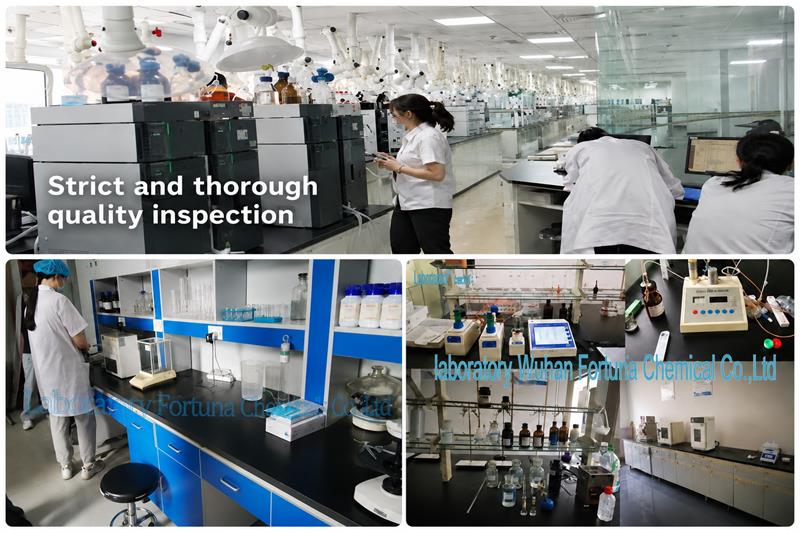
Company Information: Wuhan Fortuna Chemical Co.,Ltd established in 2006, is a big integrative chemical enterprise being engaged in Pharmaceutical and Intermediates, Food and Feed additives, Fine chemicals,Biochemical and Reagent, which is the members of Hubei E-commerce Chamber.
Our company has professional persons who major in chemical R&D and sicentific management, supply fine chemical products with high quality and close service, also supply custom-tailored products according to our clients' requirement.
We have a positive and self-motivated management work team with a common philosophy, caring and commitment through teamwork, our team strive to achieve success in delighting our clients and ourselves.
Since Wuhan Fortuna Chemical Co., Ltd founded, we continuously innovate our products and improve our service, sales network. Hence, we initiate the first sale mode on net in China, which is the retail trade of small package bring along wholesale of diversified management modes. Our products are exported widely to South Korea, Vietnam, Australia, Europe and South America, highly recommended by our clients.We insist on the management creed “Market is our compass, Quality is our life, Credit is our soul”. Clients’ trust is our forward power, their satisfaction is our struggling goal.
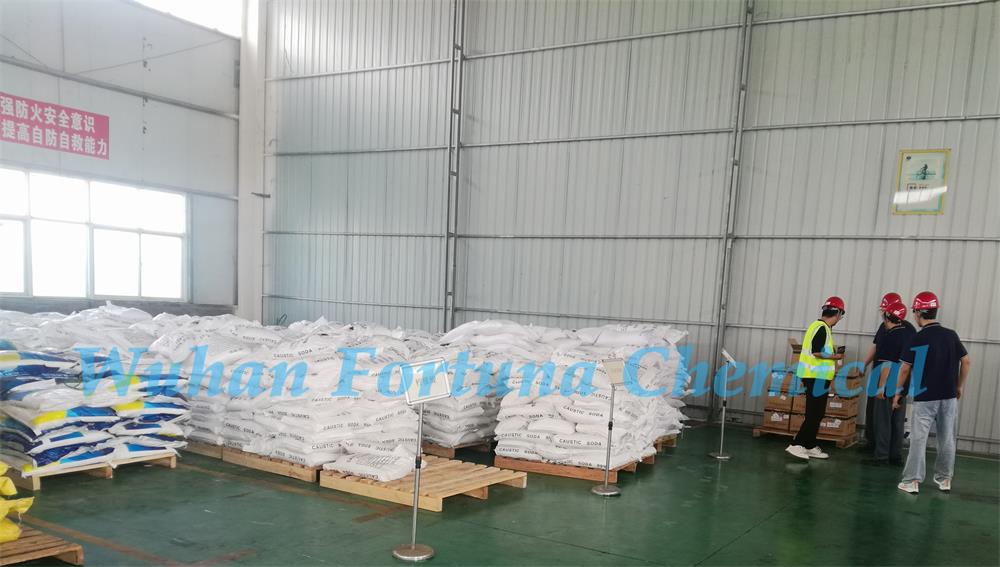
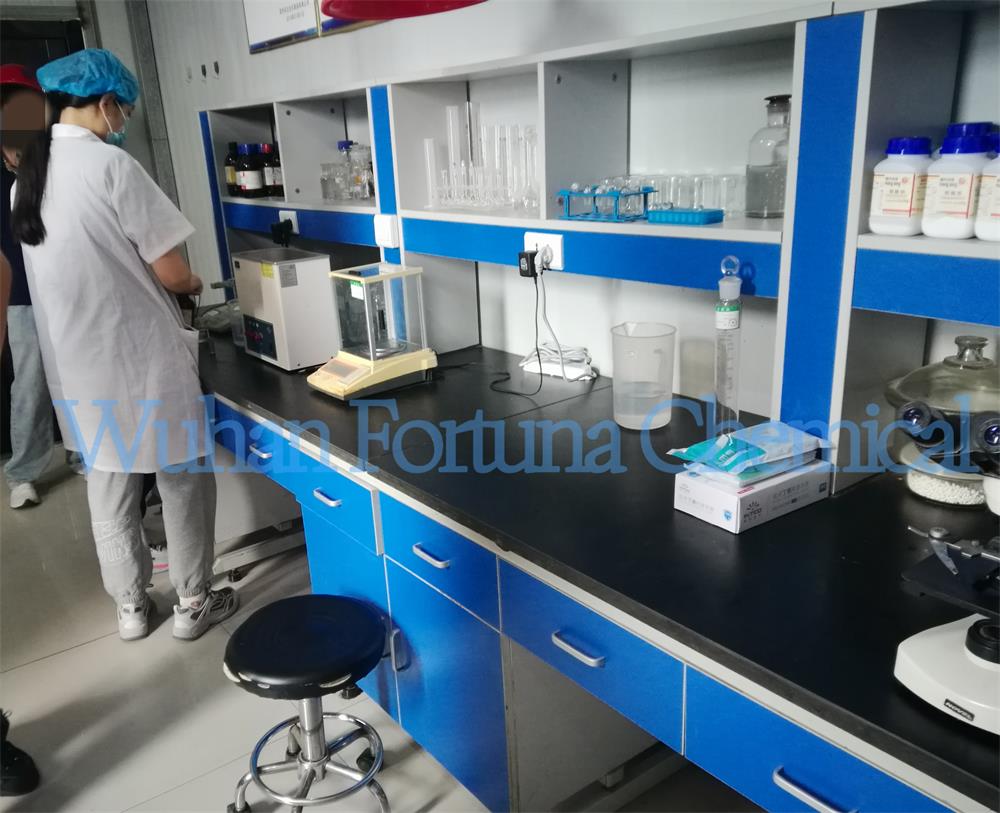
Wuhan Fortuna Chemical Co.,Ltd is a professional manufacturer which provide beta-D-Glucan with good quality and best price, welcome to contact us to get COA/TDS/MSDS of beta-D-Glucan.
1. Guaranteed purity;
2. Large quantity in stock;
3. Largest manufacturer;
4. Best service after shipment with email;
5. High quality & competitive price;

Fortunachem Provides Not Only Professional Chemical Products But Also Professional Help
Keeping you up-to-date with all the latest information, news, and events about Fortunachem!


Quick Links
Add:
E-mail:
 中文
中文