 English
  Español
  français
  العربية
 Search
Search
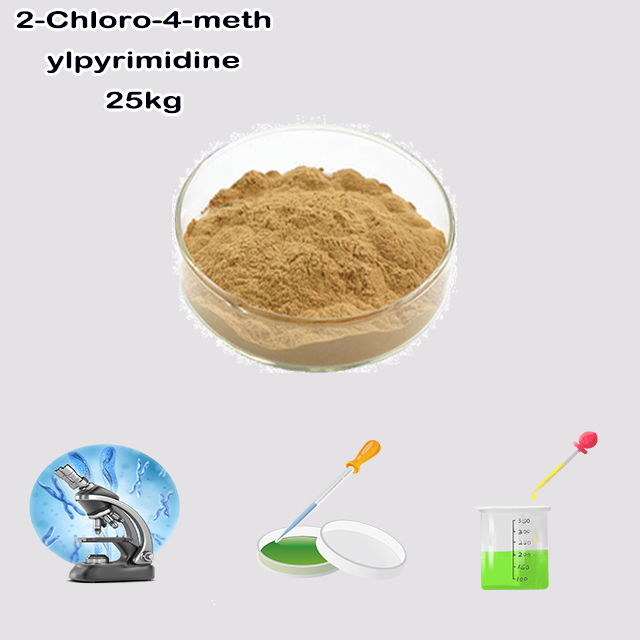



2-Chloro-4-methylpyrimidine is an organic compound with a core pyrimidine ring (a nitrogen-containing heterocycle) featuring a chlorine atom and a methyl group. It is primarily a versatile chemical building block.
Its main uses are:
Pharmaceutical Synthesis: A crucial intermediate for creating drug candidates, especially kinase inhibitors used in cancer therapy. The reactive chlorine atom allows for easy attachment of other molecular fragments.
Agrochemicals: Serves as a precursor in the production of certain pesticides and fungicides.
Chemical Research: Used to construct more complex molecules for material science and ligand design.
Its value lies in its dual functionality, enabling efficient stepwise synthesis of target molecules in medicinal and industrial chemistry.
Items | Specifications | Results |
Appearance | White to pale yellow or light brown solid | Light brown solid |
Identification test | FT-IR:comparable to standard | Conform |
Residue on ignition | ≤0.25% | 0.11% |
Related substances | Any individual Impurities:≤0.5% Total Impurities:≤1.0% | Conform |
Assay(HPLC) | ≥98% | 99.35% |
Water(KF) | ≤0.5% | 0.02% |
Conclusion | The product conforms to the above specifications. | |
2-Chloro-4-methylpyrimidine is a halogenated heterocyclic organic compound with the molecular formula C₅H₅ClN₂. It consists of a pyrimidine ring—a six-membered aromatic ring containing two nitrogen atoms at the 1 and 3 positions—substituted with a chlorine atom at the 2-position and a methyl group at the 4-position.
This structure makes it a versatile and valuable bifunctional building block in organic synthesis. The chlorine atom is electrophilic and readily displaced in nucleophilic aromatic substitution reactions, while the methyl group can undergo various functionalizations (e.g., oxidation, halogenation). The pyrimidine core itself is a privileged scaffold in medicinal chemistry, being a key component of nucleic acids and many biologically active molecules.
The principal value of 2-chloro-4-methylpyrimidine lies in its role as a key synthetic intermediate, predominantly in the following fields:
This is the most significant use. The compound serves as a core scaffold for constructing a wide range of drug candidates and active pharmaceutical ingredients (APIs).
Kinase Inhibitor Synthesis: It is extensively used in the preparation of protein kinase inhibitors, a major class of targeted cancer therapeutics. The chlorine atom acts as a leaving group, allowing for displacement by various amine-containing side chains to create a diverse array of analogs. The 4-methyl group can be further modified or retained to optimize binding in the kinase's hydrophobic pocket.
Antiviral Agents: Pyrimidine analogs are fundamental in antiviral drug design (e.g., nucleoside reverse transcriptase inhibitors). This chloro-methyl derivative provides a entry point for creating non-nucleoside analogs that target viral enzymes.
Library Synthesis for Drug Discovery: Its two distinct reactive sites enable efficient parallel synthesis. Medicinal chemists use it to generate large libraries of compounds for high-throughput screening by:
Nucleophilic Aromatic Substitution: Replacing the chlorine with amines, alkoxides, or thiols.
Functionalization of the Methyl Group: Oxidizing it to an aldehyde or carboxylic acid, or performing radical bromination to introduce a bromomethyl group (–CH₂Br), another versatile handle for further coupling.
Similar to pharmaceuticals, pyrimidine structures are common in modern agrochemicals.
It is used as an intermediate in synthesizing fungicides, herbicides, and insecticides. The specific chloro-methyl pattern can be crucial for the molecule's mode of action, such as inhibiting essential enzymes in pests or fungi.
Coordination Chemistry: It can act as a precursor for synthesizing polydentate ligands for metal complexes used in catalysis or as functional materials.
Organic Electronics: Pyrimidine derivatives are investigated for use in organic light-emitting diodes (OLEDs) and semiconductors due to their electron-deficient (accepting) nature. The chloro and methyl groups allow for fine-tuning of electronic properties and solubility.
A classic sequence in drug discovery involves:
Displacement: Reacting 2-chloro-4-methylpyrimidine with a primary or secondary amine (H₂N–R) under basic conditions to yield a 2-amino-4-methylpyrimidine derivative.
Oxidation: Converting the 4-methyl group to a 4-carboxylic acid using an oxidant like potassium permanganate (KMnO₄) or selenium dioxide (SeO₂).
Amide Coupling: Using peptide coupling reagents to link the newly formed carboxylic acid to another molecular fragment, rapidly generating a complex, drug-like molecule.
Irritant and Harmful: It is typically classified as an irritant to skin, eyes, and the respiratory system. The material safety data sheet (MSDS/SDS) should always be consulted.
Moure-Sensitive: The carbon-chlorine bond can be sensitive to hydrolysis under certain conditions.
Standard Precautions: Should be handled in a fume hood with appropriate personal protective equipment (PPE), including gloves and safety glasses. It is usually stored in a cool, dry place under an inert atmosphere.
In summary, 2-chloro-4-methylpyrimidine is a strategically important heterocyclic intermediate. Its value stems from the high reactivity of its chloro group and the synthetic versatility of its methyl group, combined with the intrinsic biological relevance of the pyrimidine core. It is a fundamental building block for medicinal chemists, enabling the efficient and modular construction of complex molecules, particularly within the critically important class of kinase-targeted pharmaceuticals. Its applications extend to agrochemicals and materials science, making it a staple compound in industrial and research chemistry.

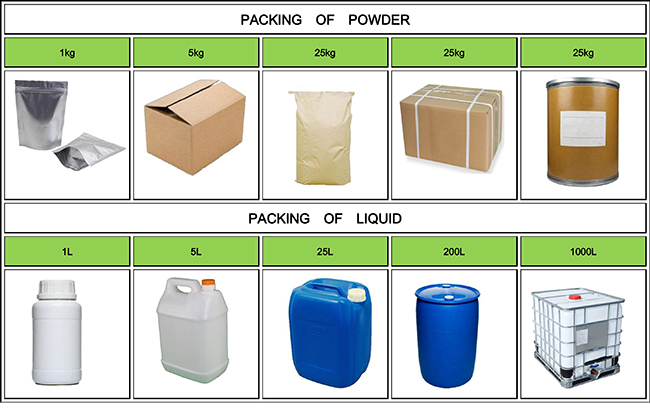


Fortunachem Provides Not Only Professional Chemical Products But Also Professional Help
Keeping you up-to-date with all the latest information, news, and events about Fortunachem!


Quick Links
Add:
E-mail:
 中文
中文