 English
  Español
  français
  العربية
 Search
Search
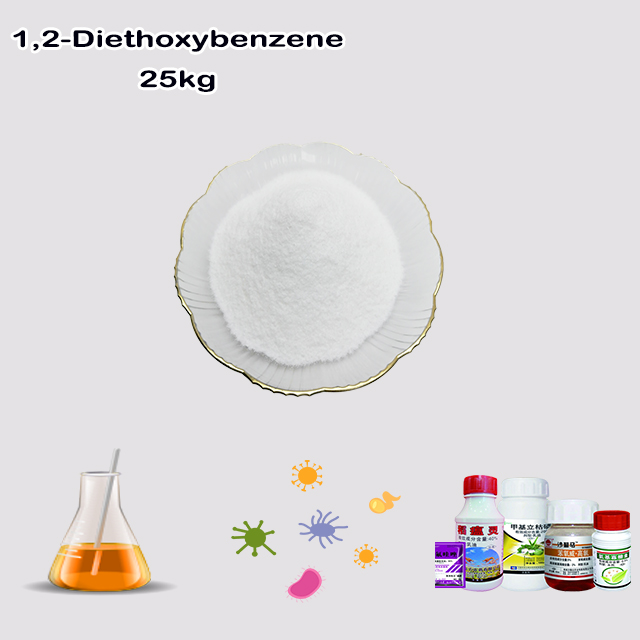
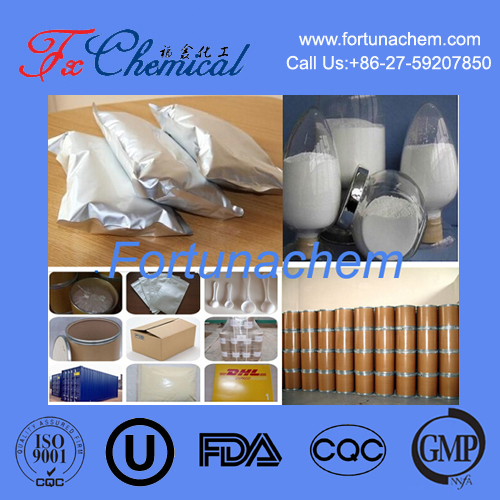
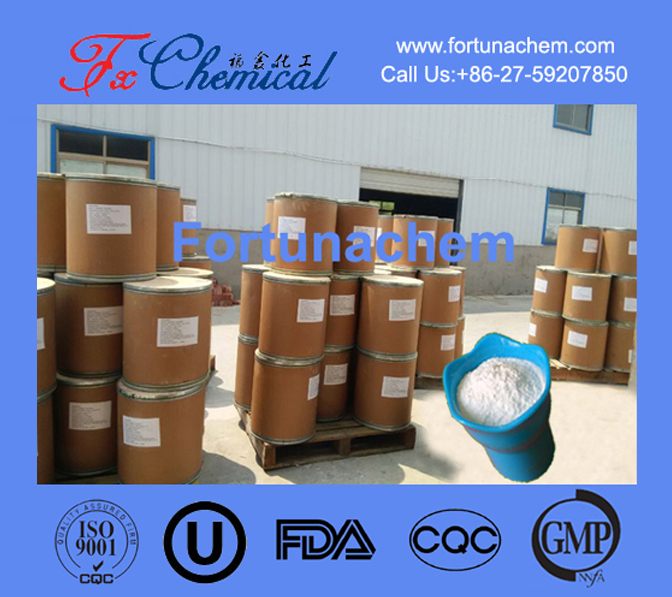
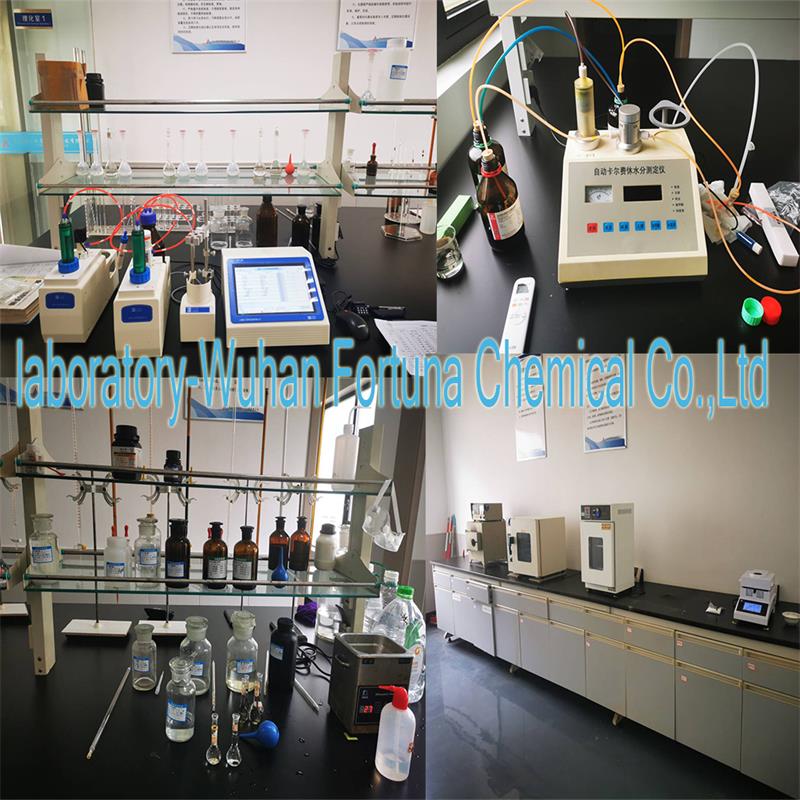

1,2-Diethoxybenzene is an organic compound where a benzene ring has two ethoxy (–OCH₂CH₃) groups attached to adjacent carbons.
It is chiefly useful as a protected form of catechol and a versatile synthetic building block in chemical research and industry. The adjacent ethoxy groups activate the ring and direct subsequent reactions, enabling the precise synthesis of complex molecules.
Its main applications are:
As a key intermediate in pharmaceutical and fragrance synthesis.
As a starting material for creating ligands, heterocycles, and specialty polymers.
As a flavor/fragrance ingredient itself, providing sweet, vanilla-like notes.
In short, it's a valuable specialty chemical for controlled organic synthesis.
Items | Specifications | Results |
Appearance | White crystalline powder | Conform |
Content | ≥99% | 99.94% |
Moisture | ≤0.3% | 0.05% |
A Single impurity | ≤0.15% | 0.11% |
Conclusion | The product conforms to the above specifications. | |
1,2-Diethoxybenzene is an organic compound with the chemical formula C₁₀H₁₄O₂. Its structure consists of a benzene ring with two ethoxy (–OCH₂CH₃) groups attached to adjacent carbon atoms (positions 1 and 2, hence "ortho" substitution).
It is also commonly known by the name veratrole, though strictly speaking, veratrole traditionally refers to the dimethyl ether analog (1,2-dimethoxybenzene). The diethoxy variant is a higher homologue.
Appearance: Typically a colorless to pale yellow liquid.
Solubility: Soluble in organic solvents (e.g., ethanol, ether, chloroform) and insoluble in water.
Functional Groups: It is a dialkyl ether of catechol (1,2-dihydroxybenzene). The two adjacent alkoxy groups activate the benzene ring towards electrophilic substitution, directing further reactions to specific positions.
1,2-Diethoxybenzene is primarily valued as a versatile building block (synthon) in organic synthesis. Its usefulness stems from the ortho-disubstituted pattern of electron-donating ethoxy groups.
Directed Metalation: The two ethoxy groups work in concert to direct strong bases (like organolithiums) to specific positions on the ring (usually between the alkoxy groups, at position 3). This allows for precise introduction of other functional groups, enabling the synthesis of complex, polysubstituted benzene derivatives.
Precursor to Catechol Derivatives: It can be cleaved (using reagents like boron tribromide, BBr₃) to reveal the corresponding catechol (1,2-dihydroxybenzene) framework, which is a core structure in many natural products, pharmaceuticals, and ligands.
Synthesis of Heterocycles: It serves as a starting material for the construction of oxygen-containing heterocycles like benzodioxoles, which are important motifs in bioactive molecules.
The oxygen atoms can coordinate to metal ions, making it a potential precursor or a subunit in ligand design for catalysts or metal-organic frameworks (MOFs). Its modified forms are more common as chelating ligands.
While less common than veratrole (dimethoxy), it can be used as a fragrance ingredient or flavoring agent. It imparts sweet, creamy, vanilla-like, and spicy aromatic notes. It is found naturally in some foods like mushrooms and sherry.
Derivatives of 1,2-dialkoxybenzenes are investigated as monomers for conductive polymers (e.g., PEDOT analogs), redox-active components in batteries, or as building blocks for organic electronic materials.
The ethoxy groups make it slightly less volatile and more lipophilic than its methoxy counterpart. In synthesis, the choice between methoxy and ethoxy is often based on:
Steric bulk: Ethoxy is slightly larger, which can influence reaction selectivity.
Deprotection strategy: The ethoxy group can be more or less easily cleaved depending on the required conditions, offering a handle for strategic deprotection in multi-step synthesis.
It is generally considered irritating to eyes, skin, and respiratory tract. It should be used in a well-ventilated area or fume hood with appropriate personal protective equipment (PPE). Always consult the specific Safety Data Sheet (SDS) before use.
1,2-Diethoxybenzene is a useful specialty chemical in organic synthesis, acting as a protected form of catechol and a directed ortho-metalation scaffold. Its main applications are in the research and development of pharmaceuticals, agrochemicals, fragrances, and advanced materials, where its unique substitution pattern allows chemists to build complex molecules with precision.

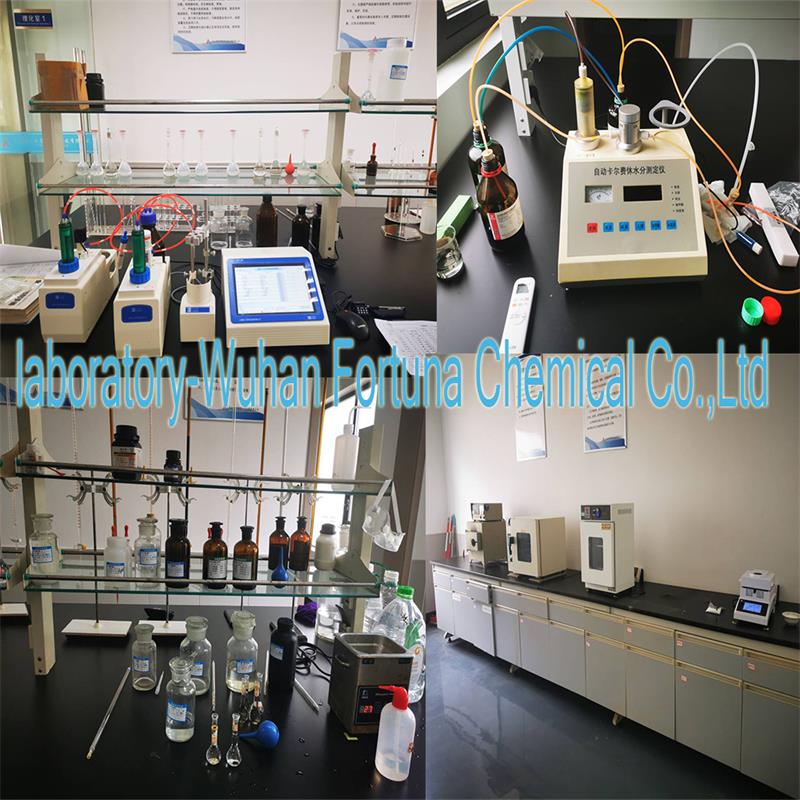
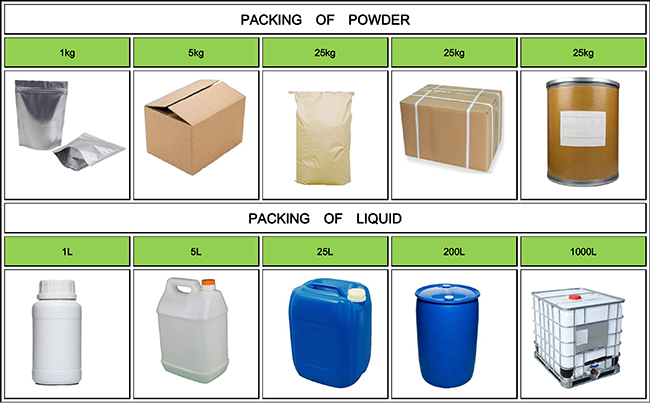

Fortunachem Provides Not Only Professional Chemical Products But Also Professional Help
Keeping you up-to-date with all the latest information, news, and events about Fortunachem!


Quick Links
Add:
E-mail:
 中文
中文