 English
  Español
  français
  العربية
 Search
Search
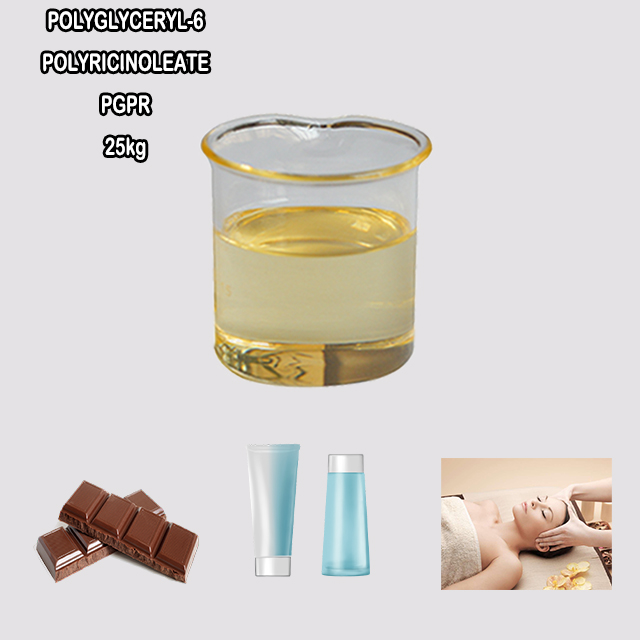
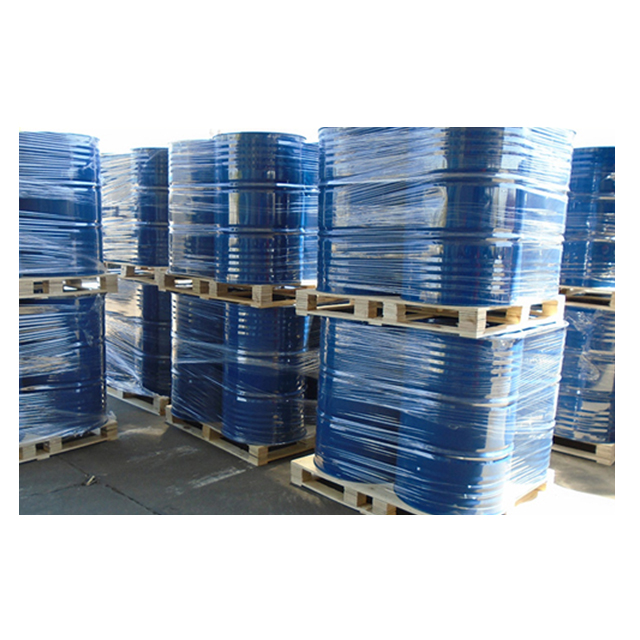
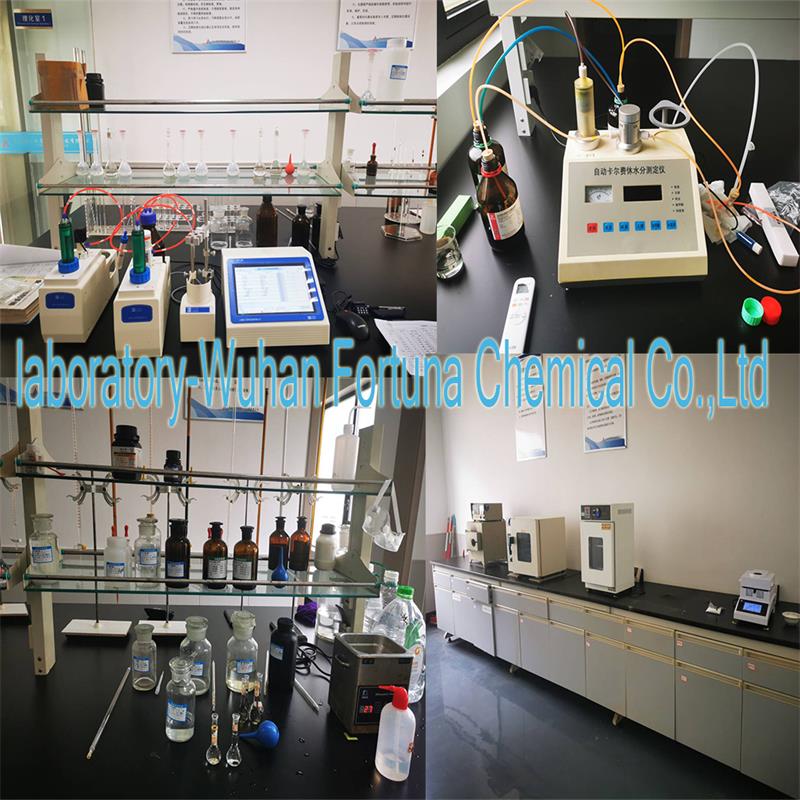
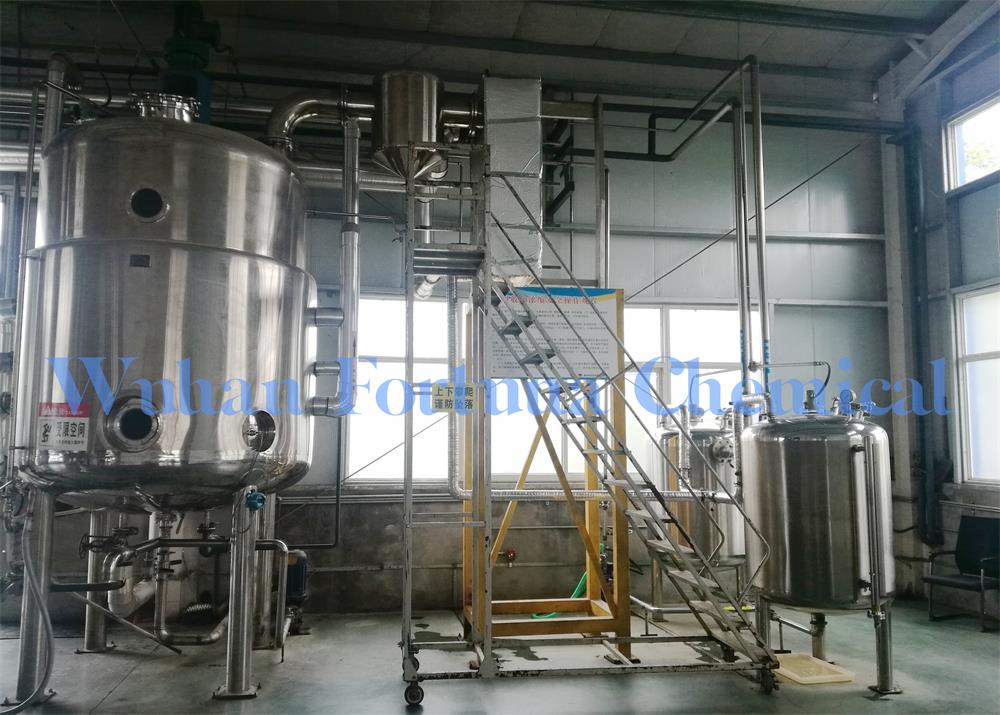
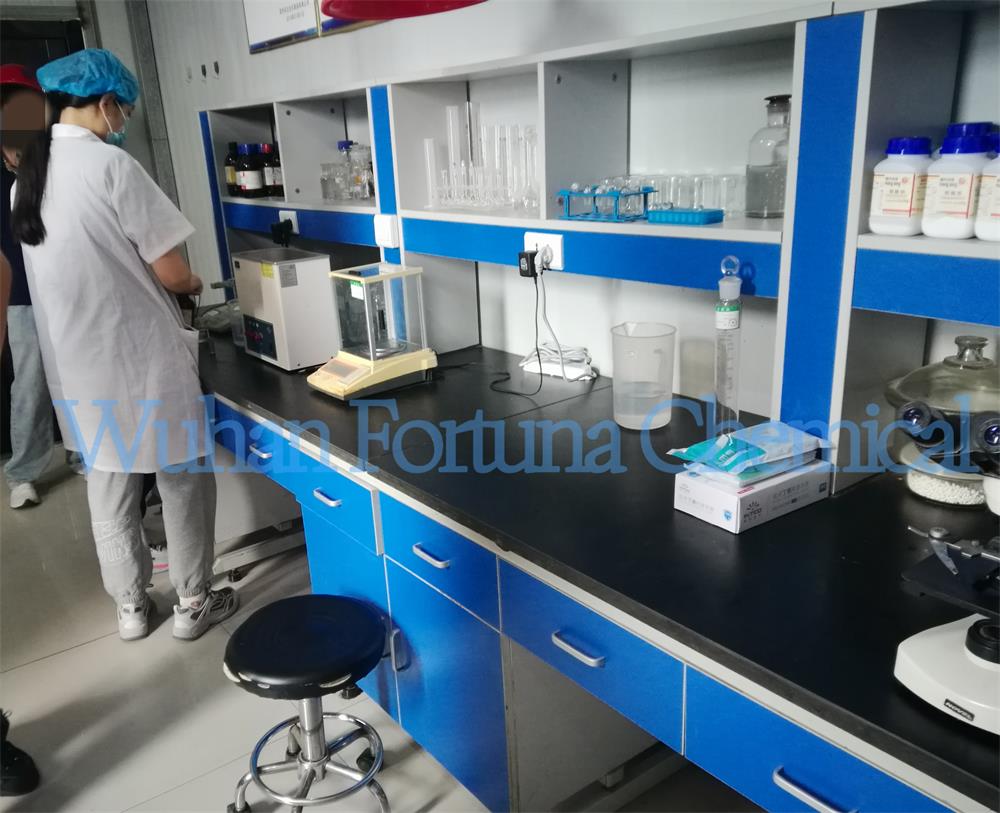
Polyglyceryl Polyricinoleate (PGPR) is a specialized emulsifier derived from castor oil and glycerin, essential in modern food technology. Its primary selling point is viscosity reduction. In chocolate manufacturing, it dramatically lowers the "yield value," allowing thick mixtures to flow smoothly. This enables thinner coatings and reduces the need for expensive cocoa butter, saving costs while maintaining quality.
As a powerful Water-in-Oil (W/O) emulsifier, PGPR creates stable blends in high-fat products like margarine and dressings, preventing separation. It also improves the texture of ice cream coatings, ensuring they adhere smoothly without cracking. With excellent heat stability, it performs reliably during high-temperature processing, making it a versatile tool for creating consistent, high-quality food textures.
| Items | Specifications | Results |
| Appearance(25℃) | viscous liquid | viscous liquid |
| Colour | Light yellow, yellow to brown | Yellow |
| Solubility | Soluble in oils/fats; insoluble in water/ethanol | |
| HLB | ~1–2.5 | |
| Acid Value(mgKOH/g) | ≤6.0 | 0.3 |
| Saponification Value(mgKOH/g) | 160-190 | 188 |
| (pb)Lead Value(mgKOH/g) | ≤2.0 | Not detected |
| Iodine Value(g/100g) | 75-95 | 85 |
| Mass spectrum | No ion peaks with differences of 44,58 or their integer multiples appear | Complies |
| CAS | 29894-35-7 / 107615-51- | |
| Function | W/O emulsifier; rheology modifier | |
| Regulatory | Commonly listed/approved for food use in major markets (China GB standards, USA, EU)* | |
Polyglyceryl Polyricinoleate (PGPR) is a specialized emulsifier and rheology modifier used primarily in food and industrial applications.
It is a complex ester synthesized from polyglycerol (derived from glycerin) and polyricinoleic acid (derived from castor oil). In simple terms, it acts as a "molecular bridge" that allows oil and water to mix, but its most powerful function is reducing viscosity in fat-based systems.
Use PGPR where you need flow control + W/O stability in fat-rich systems:
Chocolate & confectionery: viscosity reduction, smoother molding, cocoa butter saving
Compound coatings / ice cream shells: better adhesion and reduced cracking
Spreads & margarines: stable W/O emulsions and improved processing behavior
Meat products (e.g., sausages): texture improvement and water retention (application-dependent)
1) Superior Viscosity Reduction (“Flow Agent”)
PGPR dramatically lowers the yield value of chocolate/cocoa products.
Result: easier processing, thinner coatings, and more uniform coverage on candies or biscuits.
Cost benefit: helps reduce cocoa butter usage while maintaining the target flow properties.
2) Excellent Water-in-Oil (W/O) Emulsification
With a low HLB (~1–2.5), PGPR is highly lipophilic and supports stable W/O emulsions.
Result: reduced water-phase separation in high-fat products such as margarine, spreads, and certain dressings.
3) Improved Mold Release & Finished Texture
In molding, PGPR helps air bubbles escape quickly.
Result: glossy surfaces, fewer pinholes/voids, improved coating adhesion (e.g., ice cream coatings) and reduced visual defects.
4) Heat Stability in Processing
PGPR maintains performance during higher-temperature processing (often ~90°C+, depending on formulation).
Result: stable functionality during baking/frying-related processes where some emulsifiers may degrade.
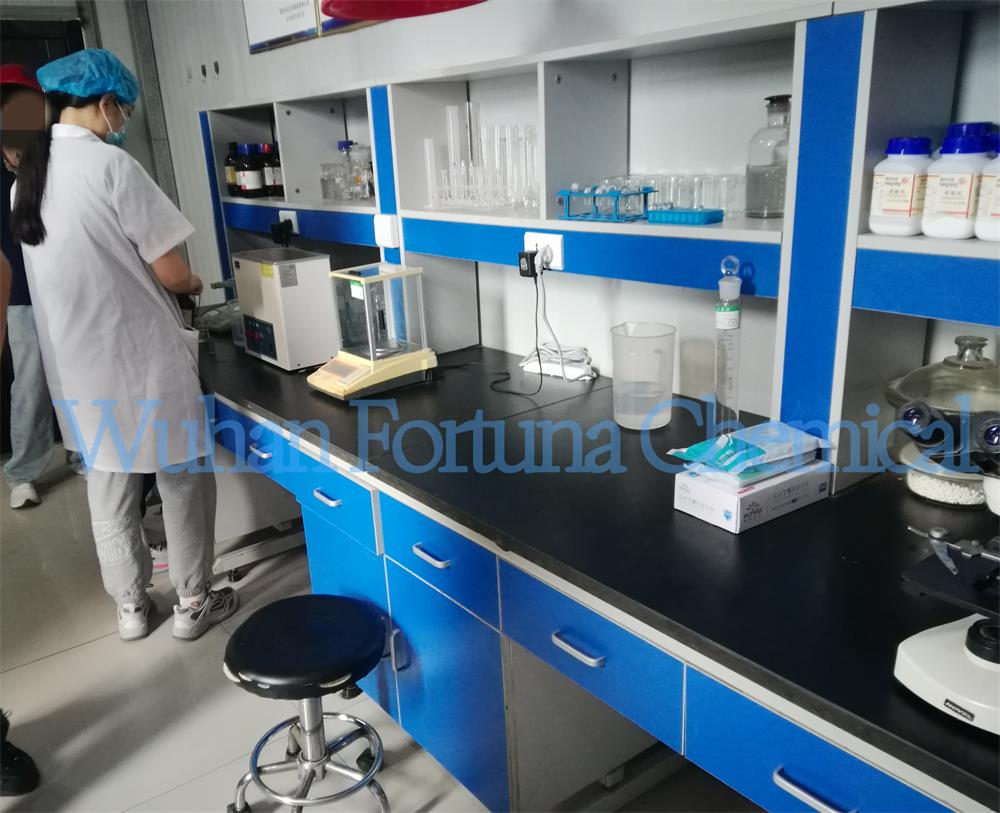
Store in a cool, dry place, sealed and away from heat sources.
Shelf life: typically 24 months (subject to your COA).
Remains pumpable at room temperature in many conditions (viscosity varies with temperature).
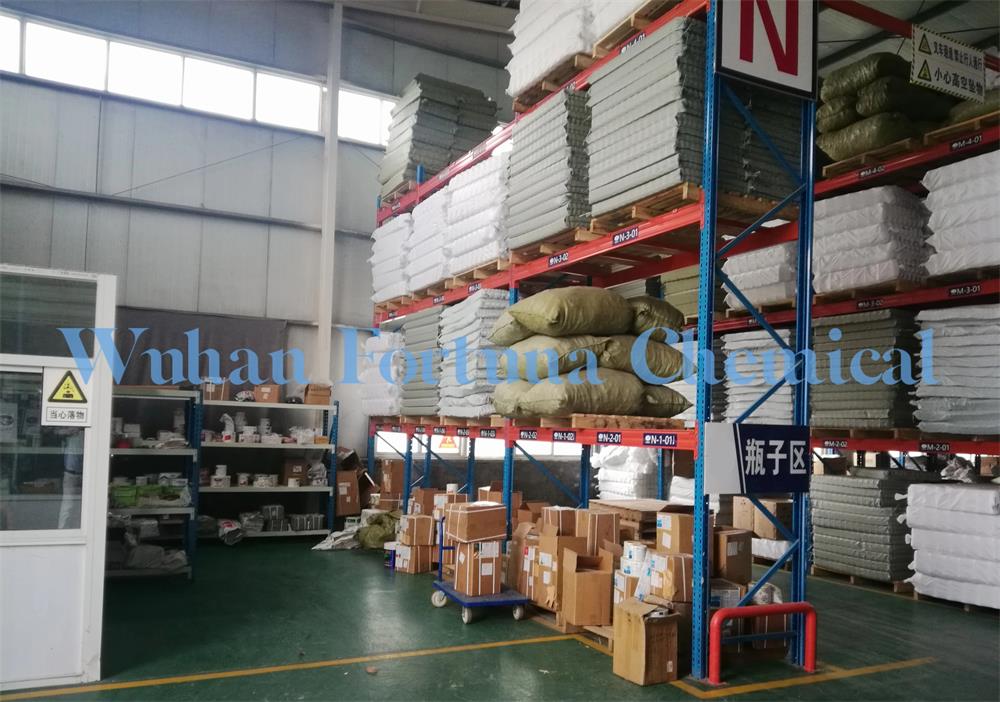
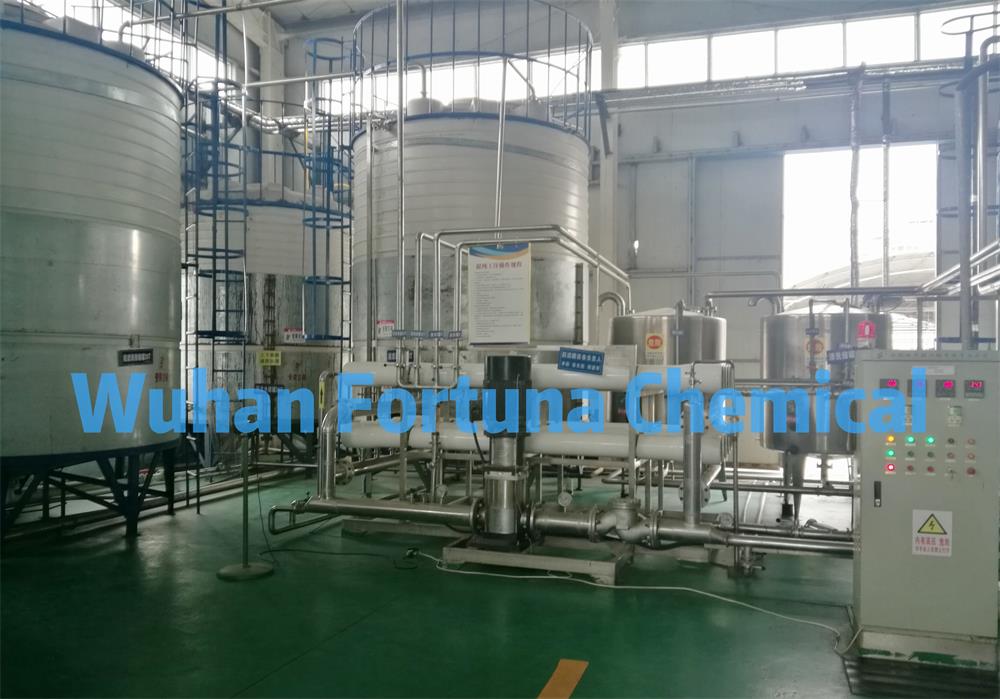

Fortunachem Provides Not Only Professional Chemical Products But Also Professional Help
Keeping you up-to-date with all the latest information, news, and events about Fortunachem!



Quick Links
Add:
E-mail:
 中文
中文