 English
  Español
  français
  العربية
 Search
Search
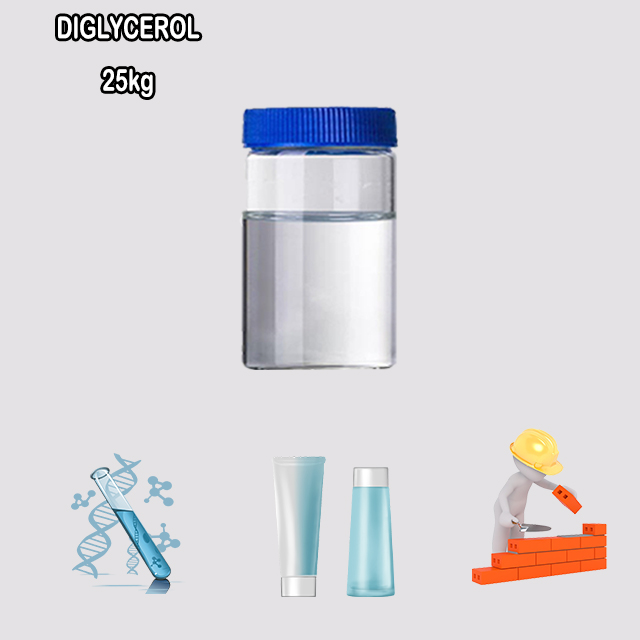
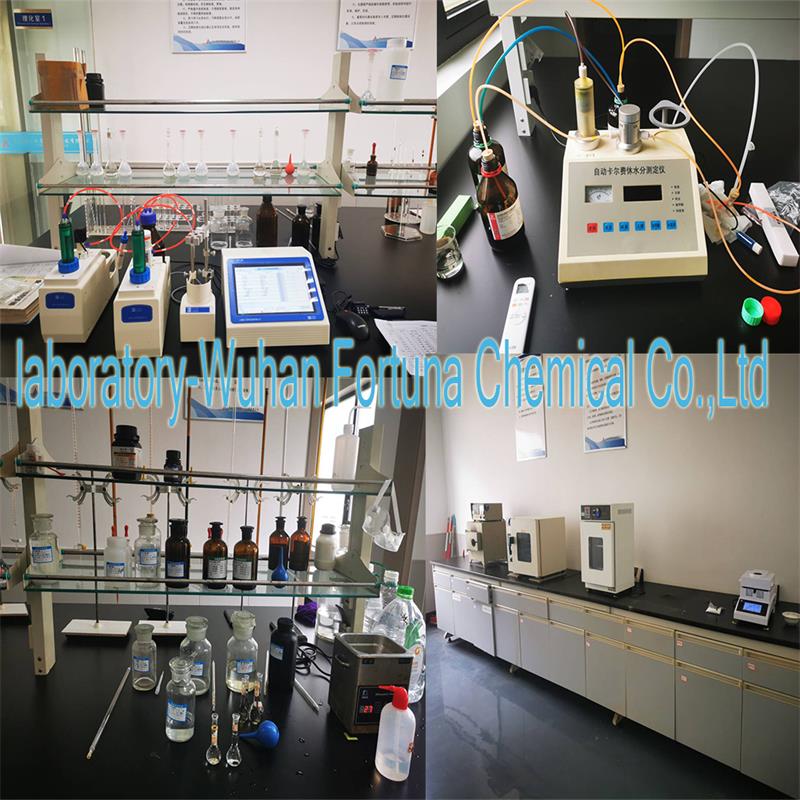
Diglycerol is a polyol formed by linking two glycerol molecules. It's a clear, viscous, water-attracting liquid.
Primary uses:
Cosmetics: A humectant and moisturizer in skin/hair care products.
Food Industry: Acts as an emulsifier and stabilizer (e.g., in spreads, baked goods), often as polyglycerol esters (E475).
Industrial: Serves as a chemical building block for surfactants, lubricants, and plasticizers.
Key distinction: It is not a diglyceride (a fat/oil component). Diglycerol is a versatile, mild, and generally safe ingredient prized for its hydrating and stabilizing properties.
Items | Specifications | Results |
Appearance | Colorless to yellow viscous liquid | Light yellow viscous liquid |
Effective mass content,% | ≥98 | 99.5 |
Hydroxyl Value,mgKOH/g | 1250-1450 | 1263 |
(Pb)/Lead Value,mg/kg | ≤2.0 | |
(As)/Arsenic Value,mg/kg | ≤2.0 | Not detectable |
Conclusion | The product conforms to the above specifications. | |
Diglycerol (also called diglycerin or polyglycerol-2) is a polyol compound formed by linking two glycerol molecules through an ether bond. It is part of the polyglycerol family, which includes molecules with more glycerol units (triglycerol, tetraglycerol, etc.).
Chemical Structure:
Glycerol has three hydroxyl (–OH) groups.
Diglycerol is essentially two glycerol units connected, giving it a total of four hydroxyl groups.
Formula: C₆H₁₄O₅
It is a clear, viscous, water-soluble liquid, hygroscopic, and has low volatility.
Humectant and moisturizer: Like glycerol, it attracts and retains water, helping to keep skin and hair hydrated.
Solvent and carrier: Helps dissolve active ingredients in formulations.
Texture enhancer: Adds viscosity and smoothness to creams, lotions, and serums.
Mild and non-irritating: Often used in sensitive skin formulations.
Emulsifier: Helps blend water and oil in food products (e.g., margarine, spreads, sauces).
Stabilizer and texturizer: Improves mouthfeel and consistency in baked goods, ice creams, and dairy products.
Carrier for flavors and colors.
Approved as a food additive (E475) in the EU and other regions, but diglycerol specifically is less common than other polyglycerol esters (e.g., polyglycerol polyricinoleate, PGPR).
Intermediate in chemical synthesis: Used to produce polyglycerol esters (e.g., diglycerol monooleate), which are surfactants and emulsifiers.
Lubricants and functional fluids: Used in specialty lubricants due to its viscosity and thermal stability.
Plasticizer: Can be used in some polymer formulations.
Antifogging agent: Applied in coatings for plastics like greenhouse films or food packaging.
Excipient: Used as a solvent, humectant, or carrier in topical formulations.
Drug delivery systems: Sometimes used in colloidal or nanoemulsion preparations.
Higher boiling point and thermal stability.
Lower crystallization tendency.
More hydroxyl groups per molecule can offer different reactivity or functionality in chemical modifications.
Generally recognized as safe (GRAS) for use in food and cosmetics in permitted amounts.
Biodegradable and low in toxicity.
Diglycerol is not the same as diglycerides (diacylglycerols).
Diglycerol = two glycerol molecules linked by ether bonds (polyol).
Diglycerides = glycerol esterified with two fatty acids (used as food emulsifiers, e.g., E471).
In summary, diglycerol is a versatile, mild, and water-soluble polyol used mainly as a humectant in cosmetics, an emulsifier in food, and a chemical building block for surfactants and specialty fluids.
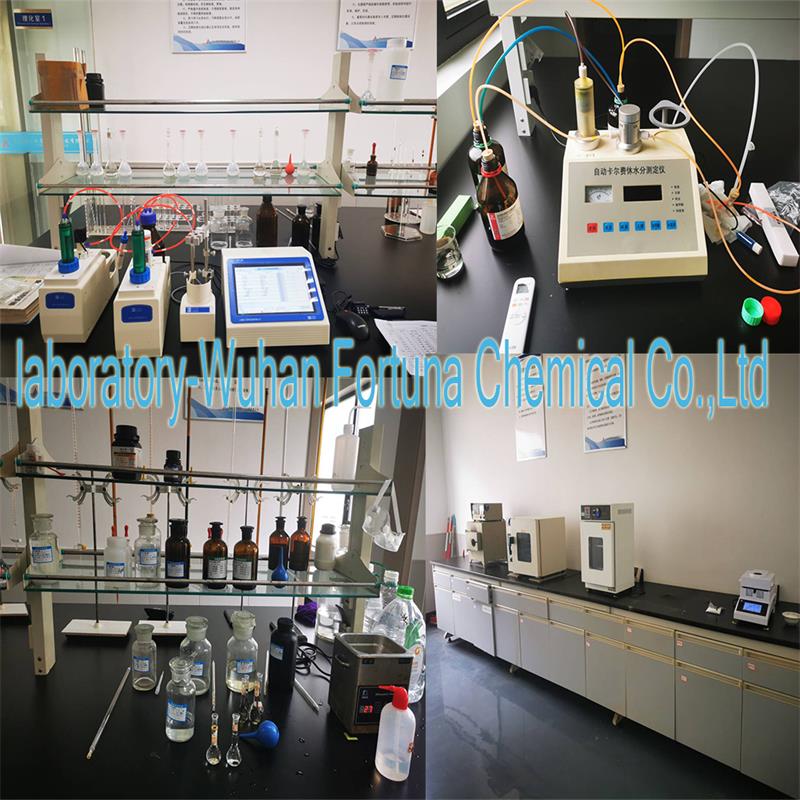
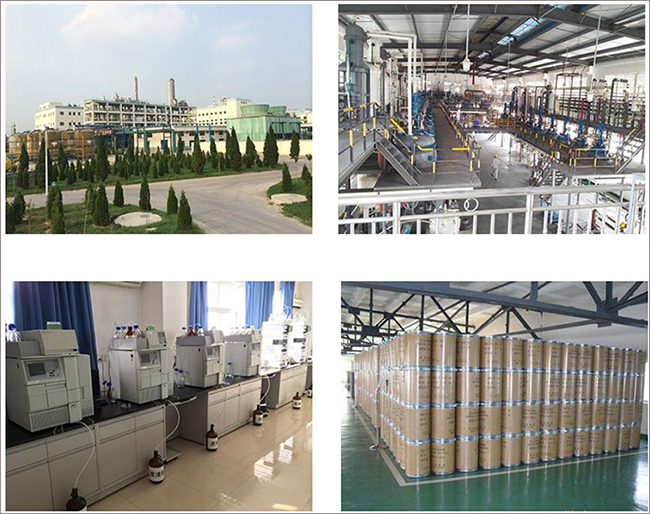
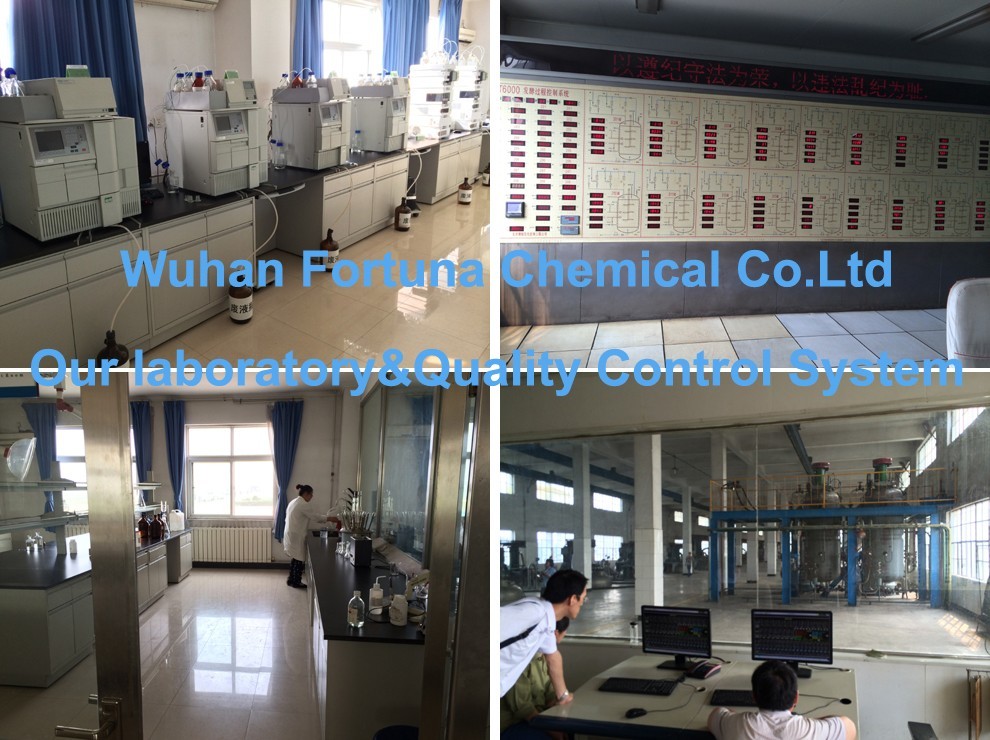

Fortunachem Provides Not Only Professional Chemical Products But Also Professional Help
Keeping you up-to-date with all the latest information, news, and events about Fortunachem!


Quick Links
Add:
E-mail:
 中文
中文