
 English
  Español
  français
  العربية
 Search
Search
-3-(4-(2-Chloro-5-iodobenzyl)phenoxy)tetrahydrofuran主图.jpg "China Manufacturer Supply High Quality (S)-3-(4-(2-Chloro-5-iodobenzyl)phenoxy)tetrahydrofuran CAS 915095-94-2 wholesale")
This compound is a specialized chiral chemical intermediate used primarily in pharmaceutical research. Its key role is in the synthesis of Tofacitinib (Xeljanz®), a drug for autoimmune diseases like rheumatoid arthritis.
The "(S)" denotes the specific 3D shape crucial for biological activity. The structure features a chloro-iodo benzyl group attached to a phenoxy-tetrahydrofuran core. The iodine atom acts as a reactive handle, allowing chemists to attach the final components of the drug molecule via metal-catalyzed reactions.
It has no commercial use itself but is a vital building block in manufacturing and researching Janus kinase (JAK) inhibitor medications.
Items | Specifications | Results |
Appearance | White to off-white powder | Off-white powder |
Related substance | Individual Impurity: ≤0.2% | 0.065% |
Total Impurities: ≤0.5% | 0.48% | |
Purity | ≥99.5% | 99.52% |
Isomer | ≤0.15% | 0.032% |
Loss on Drying | ≤1.0% | 0.0054% |
Water | ≤0.2% | 0.023% |
Conclusion | The product conforms to the above specifications. | |
This is a complex, synthetic organic compound belonging to the class of diaryl ethers. Its name describes its precise structure:
(S)-: This denotes the stereochemistry at the chiral center (the third carbon of the tetrahydrofuran ring). The "S" (sinister) configuration means the groups are arranged in a specific, three-dimensional orientation, which is crucial for its interaction with biological targets (like a specific hand fitting into a glove).
3-: The tetrahydrofuran (THF) ring is attached via its 3-position carbon.
4-(2-Chloro-5-iodobenzyl)phenoxy: This is the bulky aromatic part.
Phenoxy: A benzene ring attached via an oxygen atom (ether linkage).
4-(...benzyl): At the 4-position (para) of the phenoxy ring, there is a benzyl group (CH₂ linked to another benzene ring).
2-Chloro-5-iodobenzyl: This benzyl benzene ring is substituted with two halogens: a chlorine at the 2-position and an iodine at the 5-position.
In simple terms: It's a highly specialized building block (chemical intermediate) designed and synthesized for medicinal chemistry research, specifically to create potential drug candidates.
This compound is not a commercial drug, natural product, or material with everyday uses. Its sole and important purpose is in pharmaceutical research and development, specifically in the field of kinase inhibitor design.
The most well-documented and significant use of this exact compound is in the synthesis of a molecule called Tofacitinib and its analogues.
Tofacitinib (brand name Xeljanz®) is an approved drug for treating autoimmune diseases like rheumatoid arthritis, psoriatic arthritis, and ulcerative colitis.
It works as a Janus kinase (JAK) inhibitor. JAKs are enzymes crucial in the signaling pathways of many inflammatory cytokines.
(S)-3-(4-(2-Chloro-5-iodobenzyl)phenoxy)tetrahydrofuran is a key chiral intermediate in one of the synthetic routes to produce Tofacitinib. The specific (S)-configured tetrahydrofuran core is essential for the drug's high potency and selectivity toward JAK enzymes.
Why is this specific structure important?
Chiral Core (S-THF): Provides the correct 3D shape to fit into the JAK enzyme's binding pocket.
Diaryl Ether Linkage: Creates a rigid, stable connection that holds the two aromatic rings in the optimal orientation.
Halogen Substituents (Cl and I): Serve critical roles:
Iodine (I): Acts as a "chemical handle." It can be easily replaced via palladium-catalyzed cross-coupling reactions (like Suzuki or Sonogashira reactions) with other fragments (e.g., a cyanopyrrolidine group, which is the final piece in Tofacitinib). This allows chemists to build the final, complex molecule.
Chlorine (Cl): Often helps in binding affinity (through hydrophobic interactions) and can also be used for further chemical modifications in other analogue series.
Prototype for Analogues: Researchers use this core structure to create a library of analogues. By changing the halogens or the group attached via the iodine, they can explore structure-activity relationships (SAR) to develop new, potentially better, or more selective JAK inhibitors for other diseases.
Tool Compound in Biology: It could be used as a precise chemical tool in laboratory experiments to study JAK-STAT signaling pathways, though the final drug (Tofacitinib) is more commonly used for this purpose.
| Property | Description |
|---|---|
| Chemical Nature | Chiral, synthetic diaryl ether intermediate with chloro and iodo substituents. |
| Primary Role | Key building block in the synthetic pathway to Tofacitinib, a JAK inhibitor drug. |
| Main Use | Medicinal chemistry research for the development and production of kinase inhibitor therapeutics. |
| Significance | The (S)-stereochemistry and halogenated aromatic system are essential for biological activity and further chemical synthesis. |
| Commercial Use | None as a final product. It is exclusively a research chemical used in pharmaceutical labs. |
In conclusion, this compound is a critical puzzle piece in modern drug discovery, exemplifying how complex, tailor-made intermediates are used to construct life-changing medicines for autoimmune diseases.
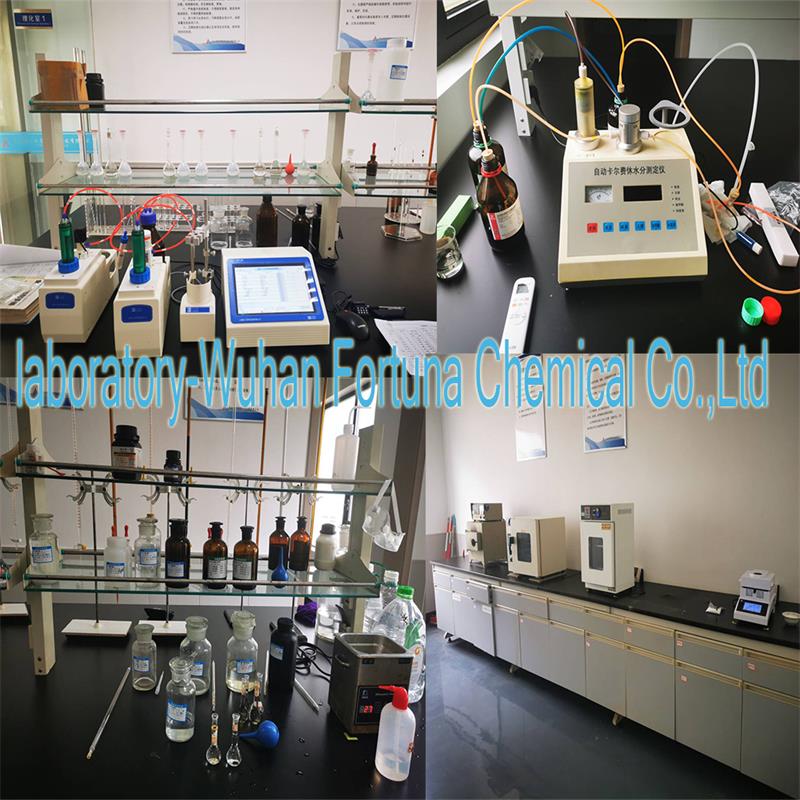
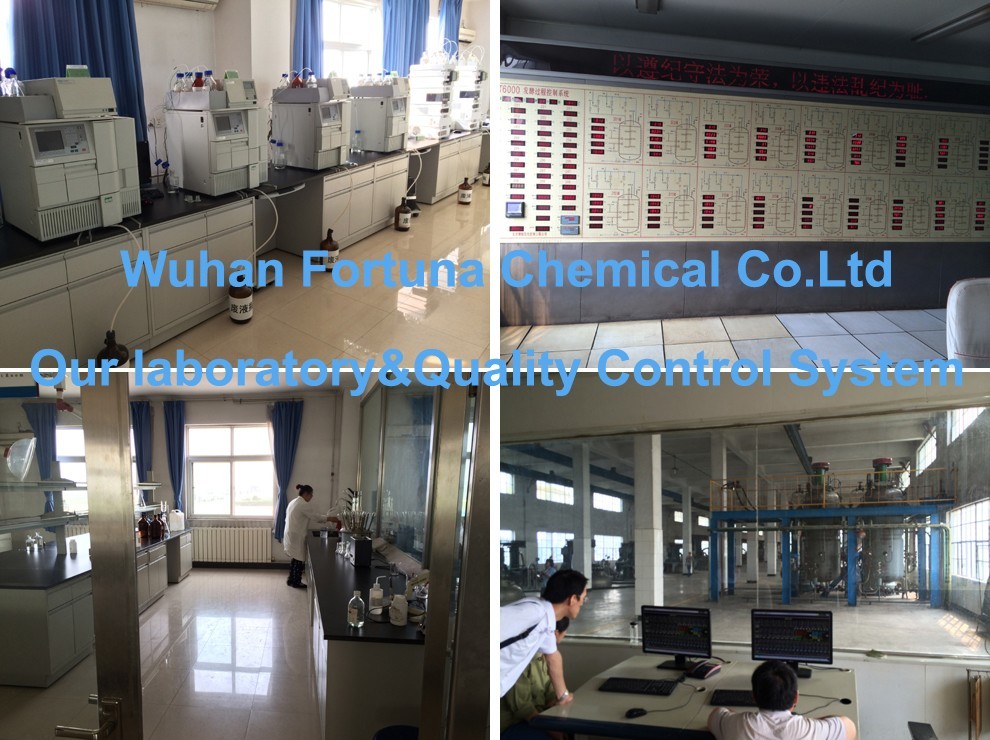
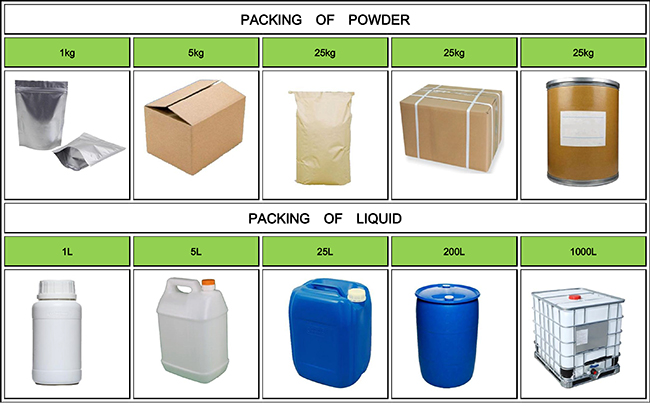

Fortunachem Provides Not Only Professional Chemical Products But Also Professional Help
Keeping you up-to-date with all the latest information, news, and events about Fortunachem!


Quick Links
Add:
E-mail:
 中文
中文