 English
  Español
  français
  العربية
 Search
Search
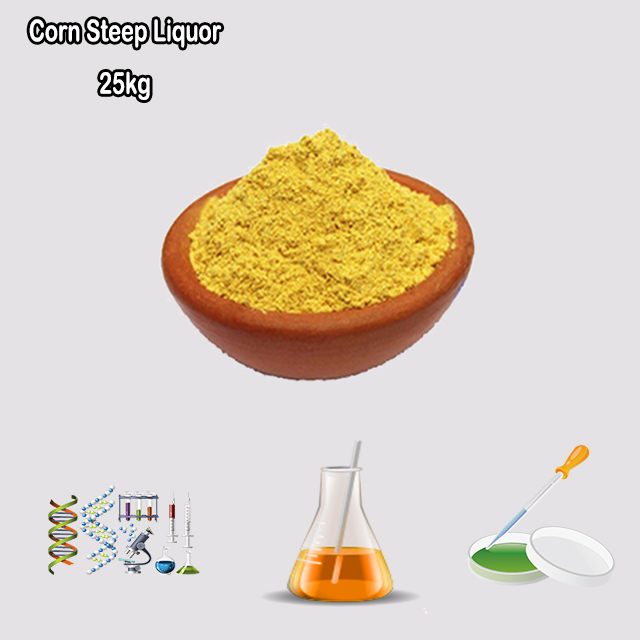
Corn Steep Liquor (CSL) is a nutrient-rich byproduct from corn wet milling. It's the concentrated liquid leftover after soaking corn kernels, packed with amino acids, vitamins, and minerals.
Its primary use is as a low-cost fermentation nutrient in industrial biotechnology. CSL is crucial for efficiently producing:
Antibiotics (e.g., penicillin)
Organic Acids (e.g., citric acid, lactic acid for bioplastics)
Enzymes and Amino Acids
Biofuels (e.g., bioethanol)
Secondary uses include serving as a protein and vitamin supplement in animal feed and as a nutrient base in some agricultural products.
Items | Specifications | Results |
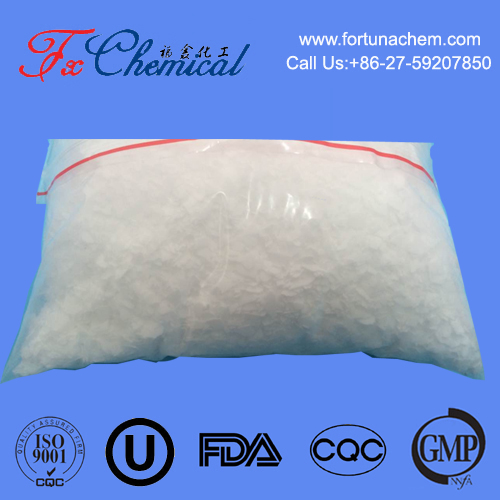
Appearance | FREE-FLOWING YELLOW POWDER | FREE-FLOWING YELLOW POWDER |
Moisture, % | ≤8.0 | 6.2 |
Protein, % | ≥40.0 | 40.5 |
Arsenic (As), mg/kg | ≤2.0 | 0.6 |
Lead (Pb), mg/kg | ≤5.0 | 0.7 |
Aflatoxin B1, ug/kg | <10.0 | 1.3 |
Salmonella, CFU/25g | / | ND |
Conclusion | The product conforms to the above specifications. | |
Corn Steep Liquor (CSL) is a viscous, concentrated byproduct obtained during the wet milling of corn to produce starch, corn syrup, and other derivatives. It is essentially the water-soluble nutrient-rich fraction extracted after soaking (steeping) corn kernels in water containing sulfur dioxide (SO₂).
Steeping: Corn kernels are soaked in warm water (50-52°C) with 0.1-0.2% sulfur dioxide for 24-48 hours. The SO₂ prevents microbial spoilage and helps break down the protein matrix.
Separation: The steep water is drained and concentrated (usually via evaporation) to a thick, syrupy liquid. This is CSL.
Composition: Its exact makeup varies by process, but it is an exceptionally rich, complex mixture of:
Nitrogen Sources: Amino acids (especially glutamic acid, alanine, leucine), peptides, and other organic nitrogen compounds.
Vitamins: B-complex vitamins (riboflavin, pantothenic acid, biotin, inositol, thiamine).
Minerals: Phosphorus, potassium, calcium, magnesium, and trace elements.
Carbohydrates: Residual sugars (glucose, maltose) and organic acids (lactic acid).
Growth Factors: Unidentified components that stimulate microbial growth.
Appearance: Dark brown, opaque liquid.
Odor: Pungent, characteristic smell.
Solubility: Water-soluble.
Key Value: It is a low-cost, highly nutritious, and complex natural medium supplement for fermentation processes.
CSL's primary value lies in its role as a cost-effective fermentation nutrient. Its applications span traditional and modern biotechnology.
CSL serves as an ideal nitrogen source and growth stimulant in large-scale microbial fermentations. It is far cheaper than defined, synthetic nutrients like yeast extract or peptone.
Antibiotic Production: Historically and currently vital for producing:
Penicillin (from Penicillium chrysogenum)
Streptomycin
Tetracyclines
Erythromycin
Organic Acid Production: Used in fermentations for:
L-Glutamic Acid (for monosodium glutamate - MSG)
Lactic Acid (for bioplastics like PLA)
Citric Acid
Enzyme Production: For manufacturing industrial enzymes like:
Amylases (for starch processing)
Proteases (for detergents, food processing)
Glucose isomerase (for high-fructose corn syrup)
Amino Acid Production: For fermentative production of amino acids like lysine (animal feed additive).
Biofuel & Bioplastic Production: As a nutrient in fermentations for:
Bioethanol (from yeast or bacteria)
Polyhydroxyalkanoates (PHAs) – biodegradable plastics.
Yeast & Single-Cell Protein Production: As a growth medium component.
CSL is used as a palatability enhancer and nutrient supplement in liquid or dried form for livestock (cattle, poultry, swine).
It provides digestible protein, energy, vitamins, and minerals.
Fermentation Starter: Sometimes used in silage production to promote beneficial lactic acid bacteria.
Soil Amendment/Microbial Inoculant: As a nutrient base for agricultural bioproducts like rhizobia inoculants or biofertilizers.
Mushroom Cultivation: As a nutrient supplement in substrate preparation.
Research & Development: As a complex medium component in microbiology labs for cultivating a wide range of microorganisms.
| Advantages | Considerations / Drawbacks |
|---|---|
| ✅ Highly Cost-Effective: Cheap byproduct utilization. | ❌ Variable Composition: Batch-to-batch variability can affect fermentation consistency. |
| ✅ Rich & Complex Nutrition: Contains growth-promoting factors not in defined media. | ❌ High Viscosity & Dark Color: Can complicate downstream processing and purification. |
| ✅ Sustainable: Upcycles an industrial waste stream. | ❌ Strong Odor: Can be unpleasant to handle. |
| ✅ Enhances Product Yields: Often outperforms synthetic nutrients in certain fermentations. | ❌ May Contain Particulates: Often requires filtration before use in sterile fermenters. |
Corn Steep Liquor is a nutrient-dense, low-cost fermentation feedstock derived from corn wet milling. Its primary and most significant use is as a nitrogen and vitamin supplement in industrial biotechnology for producing antibiotics, organic acids, enzymes, and biofuels. Its role in making fermentation processes economically viable, especially for bulk products, ensures its continued importance in industrial microbiology.
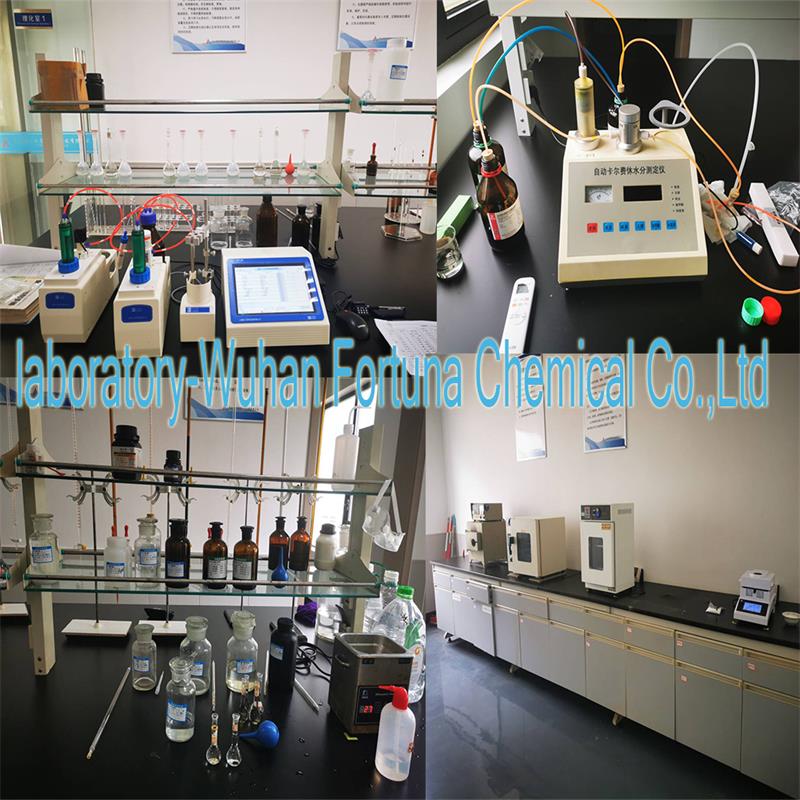
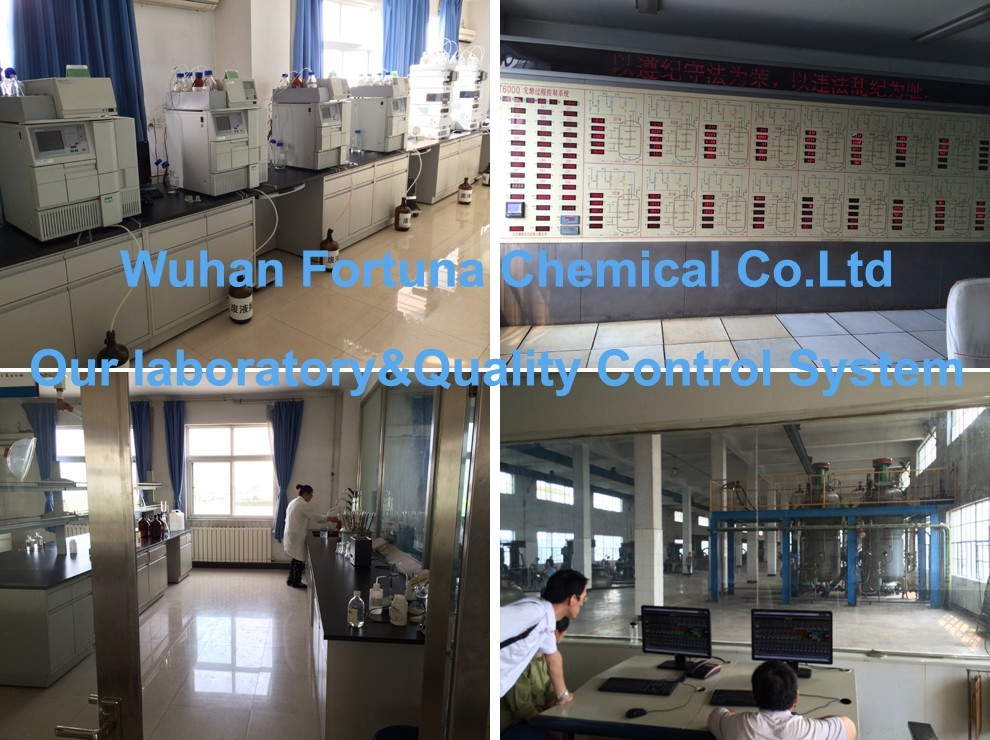
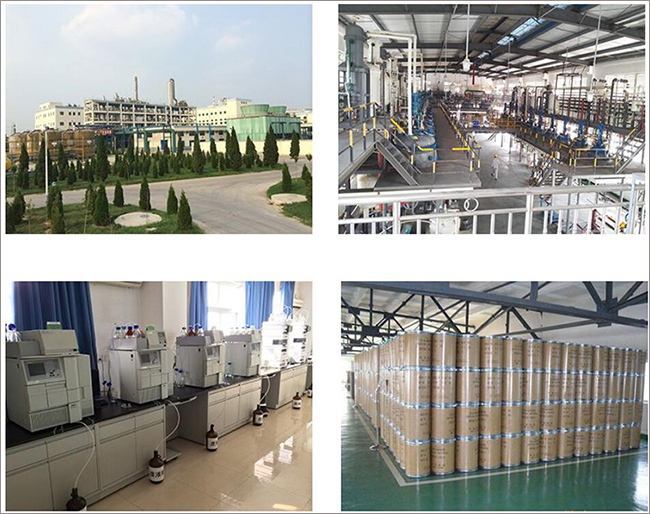

Fortunachem Provides Not Only Professional Chemical Products But Also Professional Help
Keeping you up-to-date with all the latest information, news, and events about Fortunachem!



Quick Links
Add:
E-mail:
 中文
中文