 English
  Español
  français
  العربية
 Search
Search
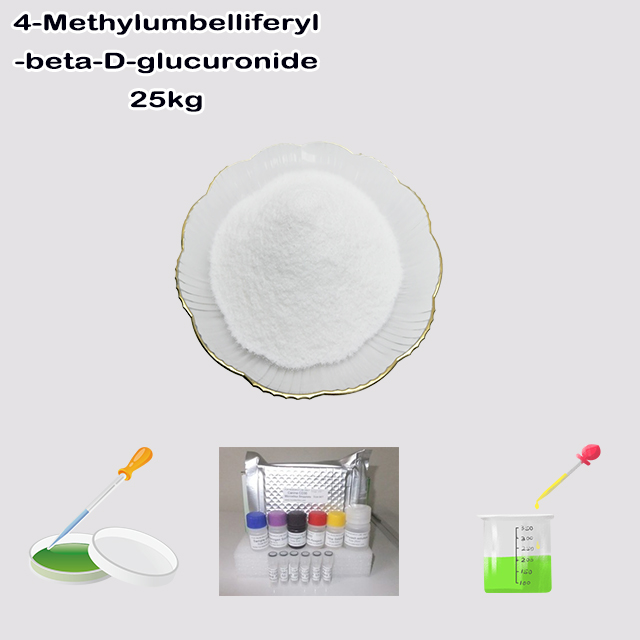



Chemical grade 4-Methylumbelliferyl-β-D-glucuronide (MUG) is a fluorogenic enzyme substrate. It is non-fluorescent until cleaved by the enzyme β-glucuronidase (GUS), releasing a bright blue fluorescent product.
Its primary uses in research are:
Microbiological Detection: As the key reagent in tests (e.g., Colilert®) to detect E. coli in water and food, where bacterial GUS enzyme causes fluorescence.
Molecular Biology: As a sensitive substrate for the GUS reporter gene assay to measure and visualize gene expression in genetically modified cells, especially plants.
Supplied with high purity and a detailed analysis certificate, chemical-grade MUG is essential for reliable, quantitative results in diagnostics, environmental monitoring, and genetic research.
Items | Specifications | Results |
Appearance | Colorless crystals or white crystalline powder | White crystalline powder |
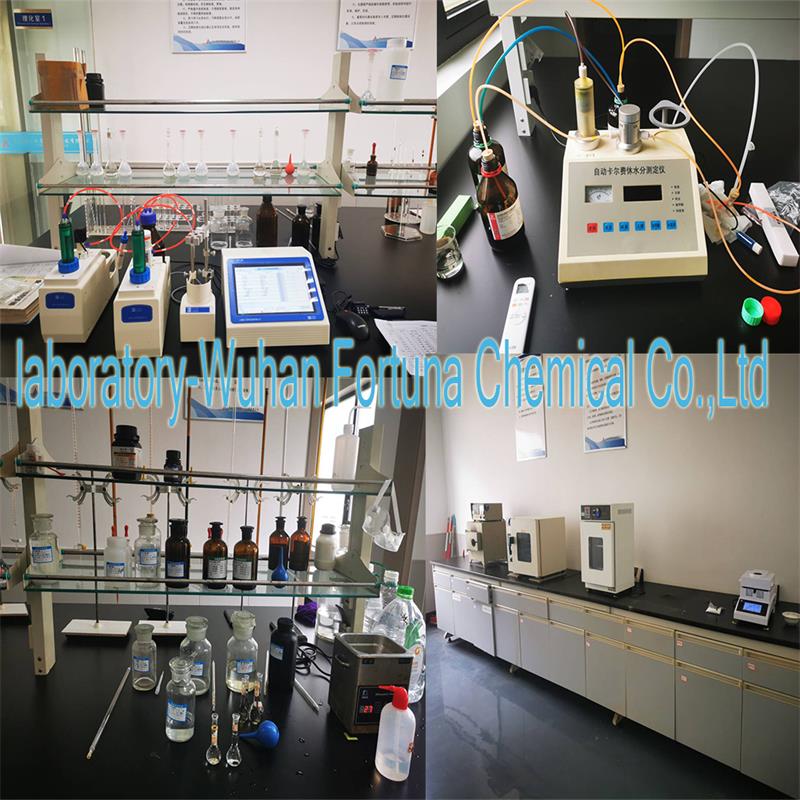
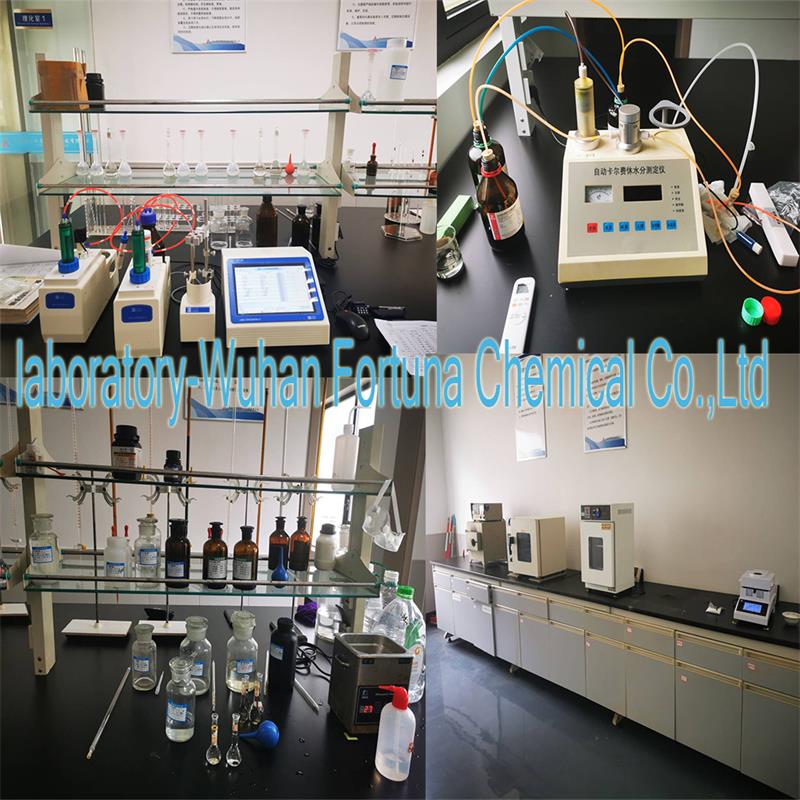
Water content(Karl Fischer) | 8.0%-10.2% | 9.33% |
Purity(HPLC) | ≥99.0% | 99.73% |
Assay | -103.0°---- -107.0° | 103.81° |
Conclusion | The product conforms to the above specifications. | |
4-Methylumbelliferyl-β-D-glucuronide (MUG) is a synthetic, fluorogenic enzyme substrate. It consists of two parts:
4-Methylumbelliferone (4-MU): A fluorescent blue molecule.
β-D-Glucuronic Acid: A sugar acid.
These two parts are linked by a beta-glycosidic bond. The key property is that MUG itself is non-fluorescent. However, when the enzyme β-glucuronidase (GUS) cleaves this bond, it releases the highly fluorescent 4-methylumbelliferone. This reaction allows for extremely sensitive detection and quantification of the enzyme's activity.
"Chemical grade" or "reagent grade" MUG is supplied with high purity and detailed specifications for scientific and diagnostic applications, not for therapeutic use. Its uses are almost exclusively in laboratories:
Principle: The enzyme β-glucuronidase is a key marker for Escherichia coli (E. coli).
Application: MUG is incorporated into culture media (as in the Colilert® test). If E. coli is present, its GUS enzyme hydrolyzes MUG, producing a fluorescent glow under UV light. This provides a rapid, specific, and sensitive method for detecting fecal contamination in water, food, and environmental samples.
Principle: The gusA gene, which codes for β-glucuronidase, is a widely used reporter gene in genetic engineering.
Application: Researchers fuse the gusA gene to a promoter of interest (e.g., from a plant gene) and introduce it into cells (commonly plants). When the promoter is active, GUS is produced. Adding MUG to tissue extracts or incubating whole tissues with it allows visualization and quantification of gene expression through fluorescence. For histology, a similar substrate (X-Gluc) that yields a blue precipitate is often used.
Principle: β-glucuronidase activity is involved in drug metabolism, bacterial pathogenesis, and lysosomal function.
Application: Chemical-grade MUG is used as a standardized substrate to:
Measure enzyme kinetics and inhibition.
Study lysosomal storage disorders.
Screen for inhibitors that could serve as new therapeutics.
Investigate the metabolism of drugs that form glucuronide conjugates.
Principle: Abnormal levels of β-glucuronidase can indicate certain diseases.
Application: MUG serves as the core substrate in clinical chemistry assays to measure GUS activity in human serum or tissues, which can be a biomarker for conditions like certain cancers or liver diseases.
High Purity (e.g., ≥99% by HPLC): Essential for consistent, reproducible results and to avoid background fluorescence.
Defined Specifications: Includes data on extinction coefficient, fluorescence properties, and limits for impurities.
Packaging: Labeled "For research use only" or "For in vitro diagnostic use," stored to ensure stability (often desiccated, frozen, and protected from light).
Supplier: Sold by fine chemical and biochemical suppliers (e.g., Sigma-Aldrich, Thermo Fisher, Toronto Research Chemicals).
Chemical-grade 4-Methylumbelliferyl-β-D-glucuronide is a critical fluorogenic reagent. Its sole purpose is to act as a precise detection tool for the enzyme β-glucuronidase. This makes it indispensable in water microbiology for E. coli detection, molecular biology as a reporter assay, and biochemical research for studying enzyme function and disease mechanisms.


Fortunachem Provides Not Only Professional Chemical Products But Also Professional Help
Keeping you up-to-date with all the latest information, news, and events about Fortunachem!



Quick Links
Add:
E-mail:
 中文
中文