
 English
  Español
  français
  العربية
 Search
Search
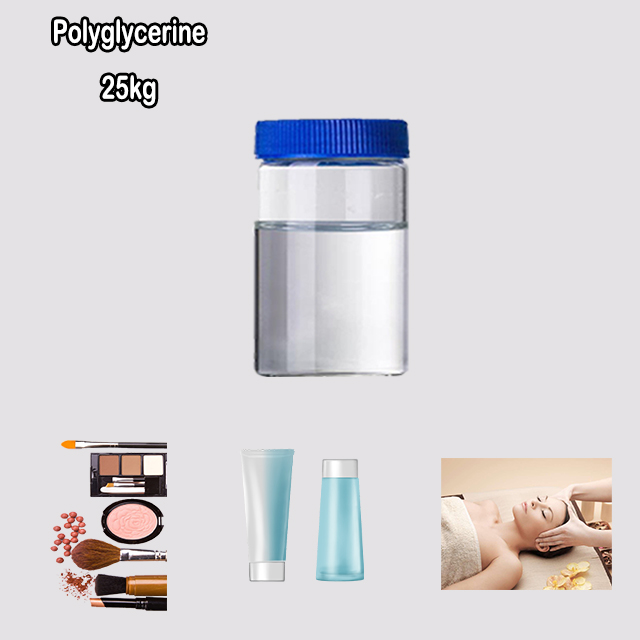
Polyglycerine (or polyglycerol) is a polymer made from glycerol units linked by ether bonds. It’s hydrophilic, viscous, non-toxic, and biodegradable. With multiple hydroxyl groups, it’s highly versatile. In food, it acts as a humectant and emulsifier, improving texture and shelf life. In cosmetics, it moisturizes and stabilizes lotions and creams. Pharmaceuticals use it as a safe excipient or solubilizer in ointments and suppositories. Industrially, it serves as a lubricant, plasticizer, or chemical intermediate. Reacted with fatty acids, it forms polyglycerol esters—effective, eco-friendly surfactants used in foods, personal care products, and cleaners. Approved by the FDA and EFSA, polyglycerine is valued for its safety, renewability, and functionality across sectors. Its properties can be tailored by adjusting the polymer chain length, making it suitable for diverse applications—from baking to biodegradable plastics.
Items | Specifications | Results |
Colour | Colorless to light yellow | Colorless |
Appearance | viscous liquid | viscous liquid |
Effective mass content,% | ≥90 | 91 |
Hydroxyl Value,mgKOH/g | 1100-1200 | 1182 |
Pb/Lead Value,mg/kg | ≤2.0 | Not detected |
Mass spectrum | There is no difference. 44,58 and their integers Multiple ion peaks | Complies |
Conclusion | The product conforms to the above specifications. | |
Polyglycerine (also commonly spelled polyglycerin or referred to as polyglycerol) is a polymer formed by the polymerization of glycerol (a triol, or three-hydroxyl alcohol). It consists of multiple glycerol units linked together through ether bonds, typically via dehydration reactions. The degree of polymerization can vary, leading to products with different molecular weights and properties—common forms include diglycerol, triglycerol, tetraglycerol, and higher oligomers or polymers.
Key Characteristics:
Hydrophilic: Due to multiple hydroxyl groups.
Viscous liquid or solid, depending on molecular weight.
Non-toxic and generally recognized as safe (GRAS) for certain applications.
Biodegradable and derived from renewable resources (e.g., vegetable oils).
Common Uses of Polyglycerine:
Food Industry:
Used as a humectant (retains moisture).
Acts as an emulsifier or stabilizer in baked goods, dairy products, and confectionery.
Helps improve texture and shelf life.
Cosmetics and Personal Care:
Functions as a moisturizer, thickener, or solubilizer.
Found in lotions, creams, shampoos, and makeup due to its skin-compatible and non-irritating nature.
Often used in "polyglycerol esters" (e.g., polyglyceryl-3 diisostearate) as advanced emulsifiers.
Pharmaceuticals:
Serves as a vehicle or excipient in drug formulations.
Enhances solubility of active ingredients.
Used in suppositories, ointments, and controlled-release systems.
Industrial Applications:
Acts as a lubricant, plasticizer, or intermediate in chemical synthesis.
Used in the production of bio-based polymers and resins.
Applied in agrochemical formulations as a surfactant or stabilizer.
Chemical Intermediate:
Reacted with fatty acids to produce polyglycerol esters (PGEs), which are powerful non-ionic surfactants used in food, cosmetics, and industrial cleaners.
Safety & Regulation:
Approved by regulatory bodies like the U.S. FDA and EFSA for use in food and cosmetics within specified limits.
Generally considered safe, though high molecular weight forms may have limited absorption in the body.
In summary, polyglycerine is a versatile, biocompatible, and sustainable compound widely used across industries due to its multifunctional hydroxyl-rich structure.
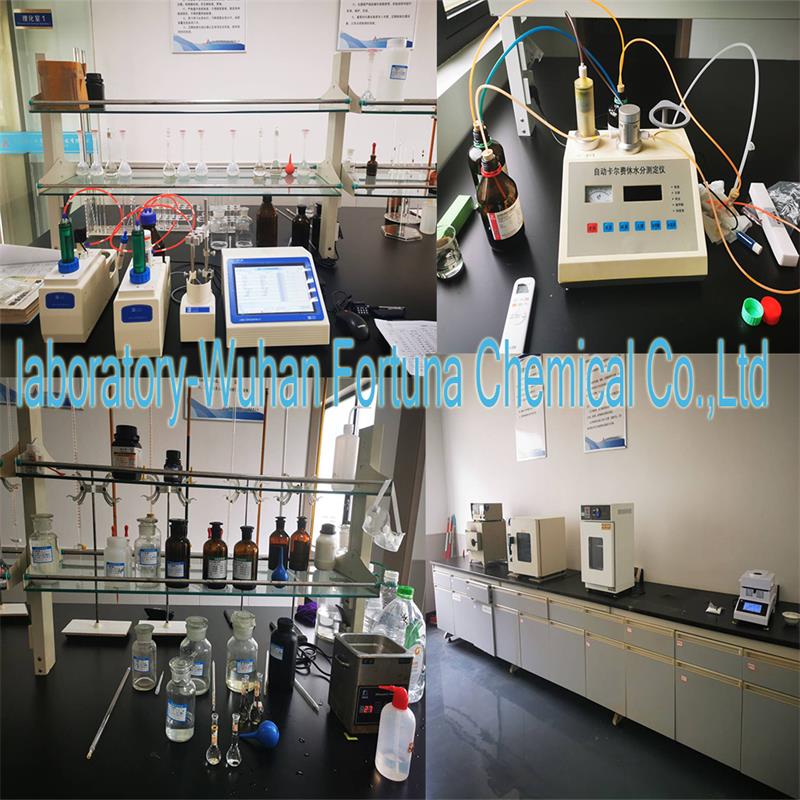
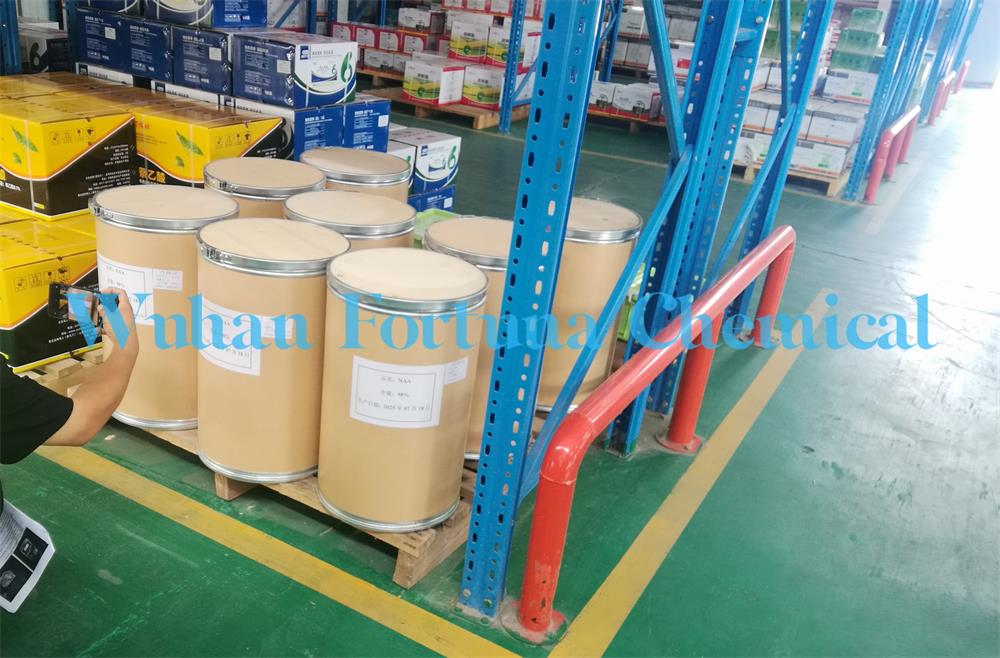

Fortunachem Provides Not Only Professional Chemical Products But Also Professional Help
主图.jpg "China Supplier High Quality Poly(1-vinylpyrrolidone-co-vinyl acetate) CAS 25086-89-9")
Keeping you up-to-date with all the latest information, news, and events about Fortunachem!


Quick Links
Add:
E-mail:
 中文
中文