 English
  Español
  français
  العربية
 Search
Search
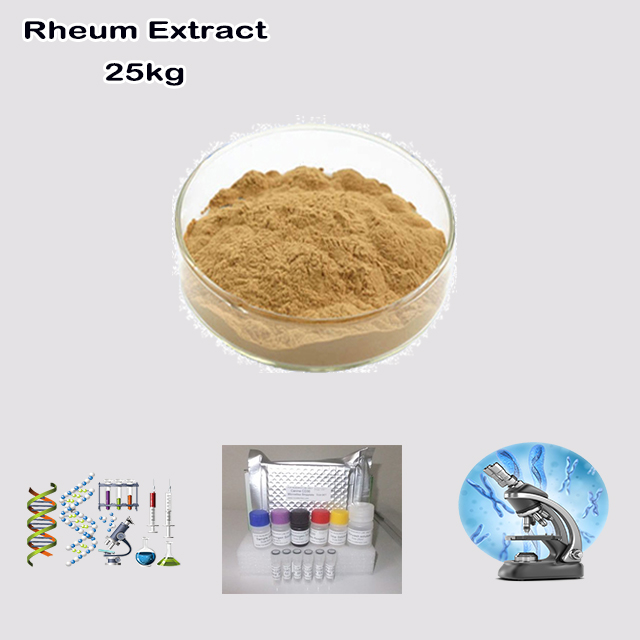
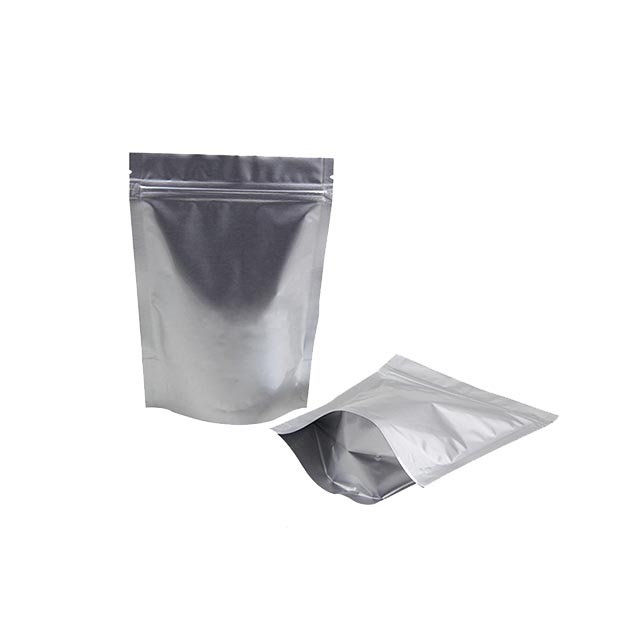
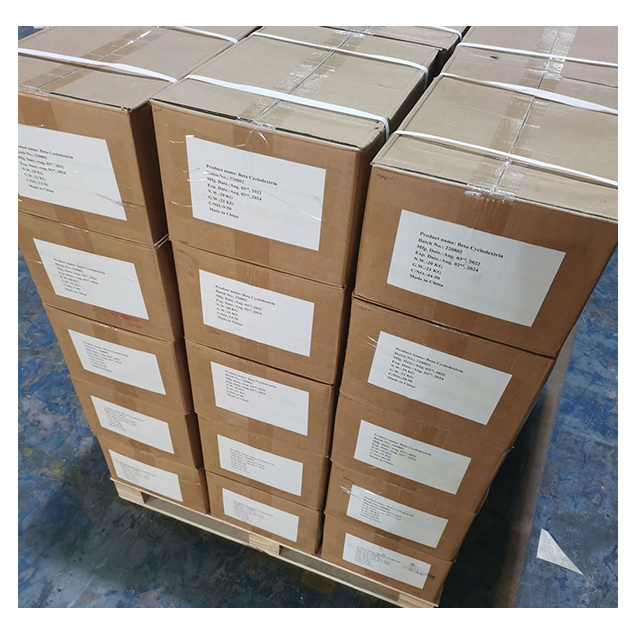


Rheum Extract is an herbal preparation from the root of medicinal rhubarb species, known as Da Huang in Traditional Chinese Medicine.
Its primary historical use is as a potent, short-term stimulant laxative for constipation, due to anthraquinone compounds. It also has anti-inflammatory properties used for skin issues and, in modern research, shows potential for managing Chronic Kidney Disease under strict medical supervision.
Major Warning: It is not for long-term use. Risks include laxative dependence, electrolyte loss, and a serious condition called "rhubarb nephropathy," which can damage the kidneys. It interacts with many drugs (like diuretics and blood thinners) and is unsafe during pregnancy.
Items | Specifications | Results |
Appearance | Fine powder | Complies |
Color | Yellow Brown | Complies |
Odor&Taste | Characteristic | Complies |
Loss On Drying | ≤5.0% | 4.31% |
Ash | ≤5.0% | 3.92% |
Ratio | 4:1 TLC | Complies |
Sieve Analysis | 98% pass 80 mesh | Complies |
Heavy Metals | ≤10ppm | Complies |
Cadmium(Cd) | ≤1ppm | Complies |
Mercury(Hg) | ≤0.1ppm | Complies |
Arsenic(As) | ≤1ppm | Complies |
Lead(Pb) | ≤3ppm | Complies |
Bulk density | 45-65g/100ml | Complies |
Microbiological Control | ||
Total plate count | ≤10000 CFU/g | Complies |
Yeast & mold | ≤100 CFU /g | Complies |
E.coli | Negative | Negative |
Salmonella | Negative | Negative |
Conclusion | The product conforms to the above specifications. | |
Rheum Extract is a herbal preparation derived from the root and rhizome (underground stem) of plants in the rhubarb genus, primarily Rheum palmatum, Rheum officinale, or related species. It is a key herb in Traditional Chinese Medicine (TCM), where it is known as "Dà Huáng" .
It is crucial to distinguish this from the common garden rhubarb stalks used in cooking. The medicinal extract comes from the root of specific species and contains a different, more potent set of compounds.
The primary active components are anthraquinone derivatives, such as:
Emodin
Rhein
Aloe-emodin
Chrysophanol
It also contains tannins and stilbenes, which contribute to its complex and sometimes dual effects.
Based on historical use and some modern research, Rheum Extract is primarily used for the following purposes:
1. Constipation & Digestive Issues (The Most Common Use):
Mechanism: The anthraquinones are stimulant laxatives. They are not digested in the small intestine but are broken down by bacteria in the colon, where they stimulate the bowel muscles and increase water secretion into the intestines, promoting a bowel movement.
Use: Traditionally used for short-term relief of constipation, bloating, and abdominal fullness. In TCM, it's used to "drain downward" and clear heat from the digestive tract.
2. Anti-inflammatory and Antioxidant Effects:
Compounds like emodin and rhein have demonstrated anti-inflammatory properties in laboratory and animal studies. This underpins its traditional use for:
Inflammatory skin conditions (topical application for burns, sores, or inflammation).
Inflammatory bowel diseases (like ulcerative colitis) in some traditional systems, though this requires medical supervision.
3. Potential Antibacterial and Antiviral Activity:
Some test-tube studies suggest components of rhubarb extract can inhibit the growth of certain bacteria (e.g., Staphylococcus aureus) and viruses. This aligns with its TCM use for clearing "heat and toxins," often analogous to infections.
4. Chronic Kidney Disease (CKD):
This is a significant area of research. Some clinical studies, particularly from China, have suggested that Rheum Extract (often as part of a multi-herbal formula) may help slow the progression of CKD by:
Reducing inflammation in the kidneys.
Inhibiting fibrosis (scarring) of kidney tissue.
Acting as a phosphate binder in the gut (high phosphate is a problem in CKD).
Important: This is a therapeutic application that must only be undertaken under strict supervision of a nephrologist or trained TCM practitioner, as improper use can be harmful to the kidneys.
5. Other Investigated Uses:
Metabolic Syndrome: Preliminary research on its potential effects on blood lipids and glucose.
Cancer: Lab studies have looked at anti-proliferative effects of emodin on certain cancer cells, but this is far from a proven treatment.
Not for Long-Term Use: Due to its stimulant laxative effect, long-term use can lead to:
Laxative Dependence: The colon may become "lazy" and unable to function normally without it.
Electrolyte Imbalance: Loss of potassium, which can worsen constipation and cause heart problems.
Melanosis Coli: A harmless but dark pigmentation of the colon lining.
Potential Kidney and Liver Risk: Ironically, while it may be beneficial for CKD under supervision, high doses or prolonged use of anthraquinone laxatives have been associated with kidney injury and liver toxicity. This is known as "rhubarb nephropathy."
Drug Interactions: It can interact with:
Diuretics (water pills) or steroids: Increases the risk of potassium loss.
Heart medications (like digoxin): Low potassium can increase digoxin's toxicity.
Anticoagulants (blood thinners like warfarin): May increase the risk of bleeding.
Contraindications:
Do not use if you have intestinal obstruction, appendicitis, abdominal pain of unknown origin, or inflammatory bowel disease (like Crohn's) without explicit doctor guidance.
Avoid during pregnancy and breastfeeding.
Quality and Purity: As with all herbal supplements, quality varies widely. Products may be contaminated or have inconsistent levels of active compounds.
Formulations: In TCM, it is rarely used alone. It is almost always part of a carefully balanced herbal formula (e.g., in San Huang Xie Xin Tang) to modify its strong purgative effects and target specific patterns of illness.
Rheum Extract (Dà Huáng) is a potent herbal medicine with a long history, primarily used as a short-term stimulant laxative and for its anti-inflammatory properties. Its most notable modern therapeutic research is in managed care of Chronic Kidney Disease. However, its potency comes with significant risks, including electrolyte imbalance, laxative dependence, and potential organ toxicity.
Crucial Disclaimer: It is essential to consult with a qualified healthcare professional (such as a doctor or a licensed herbal medicine practitioner) before using Rheum Extract. They can assess if it's appropriate for you, determine a safe dose and duration, and check for potential interactions with other medications or conditions. Do not self-treat serious conditions like CKD with this herb.


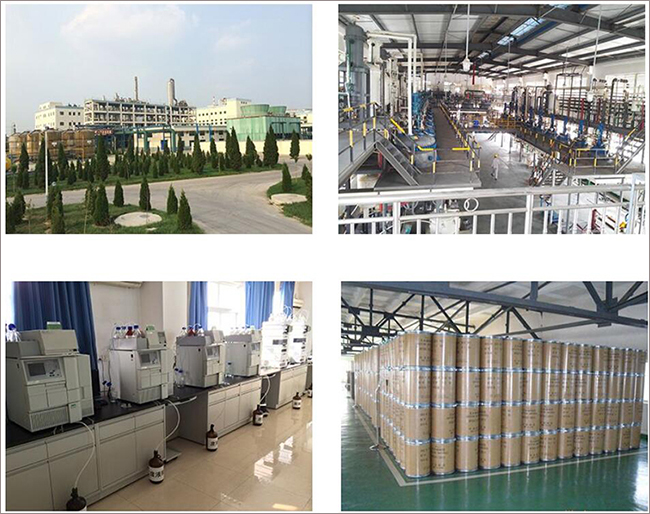

Fortunachem Provides Not Only Professional Chemical Products But Also Professional Help
Keeping you up-to-date with all the latest information, news, and events about Fortunachem!



Quick Links
Add:
E-mail:
 中文
中文