 English
  Español
  français
  العربية
 Search
Search
-OH主图.jpg "Chemical Manufacturer Supply High Quality FMOC-CYS(MMT)-OH CAS 177582-21-7 with good service wholesale")
Fmoc-Cys(Mmt)-OH Overview
Fmoc-Cys(Mmt)-OH (CAS: 177582-21-7) is a chemically protected L-Cysteine derivative widely used as a building block in Fmoc Solid-Phase Peptide Synthesis (SPPS). It features an Fmoc group on the amine and a 4-methoxytrityl (Mmt) group on the sulfur.
Key Selling Points
Selective Deprotection: The primary advantage of the Mmt group is its high lability to acid. It can be removed selectively using very mild acidic conditions (e.g., 0.5–1.0% TFA) while leaving other common protecting groups (like Trt or t-Butyl) intact.
On-Resin Modification: This orthogonality allows chemists to selectively expose the thiol group for on-resin cyclization, disulfide bond formation, or labeling without cleaving the peptide from the resin.
Purity & Stability: It is typically supplied as a high-purity (≥98%) white powder, stable when stored at 2–8°C.
Items | Specifications | Results |
Appearance(25℃) | White to off-white powder | White powder |
Purity(HPLC) | ≥98% | 98.08% |
Optical Purity | ≤1.0%D-enantiomer | 0.29% |
Specific Rotation[α]20/D | 18°±2°(C=1 in DMF) | 16.13°(C=1,DMF) |
Melting Point | 115-135℃ | 120.8-125.7℃ |
Clarity of solution | 0.3 gram in 2ml DMF clear solution | conform |
Water Content(K.F.) | ≤1.0% | 0.51% |
Loss on drying | ≤2.0%(70℃ 2h) | 0.53% |
IR Spectrum | In accordance with the structure | conform |
Mass Spectrum | In accordance with the structure | conform |
NMR Spectrum | In accordance with the structure | conform |
Conclusion | The product conforms to the above specifications. | |
Fmoc-Cys(Mmt)-OH (Chemical Formula: C₃₈H₃₃NO₅S) is an L-Cysteine derivative protected at two specific sites:
N-terminus: Protected by an Fmoc (9-fluorenylmethoxycarbonyl) group.
Side Chain (Thiol/Sulfur): Protected by an Mmt (4-methoxytrityl) group.
It acts as a building block in Fmoc Solid-Phase Peptide Synthesis (SPPS). Its CAS number is 177582-21-7.
Key Selling Points & Advantages
The "selling points" of this molecule revolve around the unique chemical properties of the Mmt protecting group compared to other standard groups like Trt (Trityl) or Acm (Acm).
1. High Acid Lability (Selective Deprotection)
The most significant advantage of the Mmt group is that it is extremely acid-sensitive (acid-labile).
Selective Removal: The Mmt group can be removed quantitatively and selectively using very mild acidic conditions (e.g., 0.5–1.0% Trifluoroacetic acid (TFA)).
Orthogonality: This removal happens without affecting other common protecting groups, such as the Trt (trityl) type or t-butyl type groups. This allows chemists to selectively expose the sulfur atom of the cysteine while keeping the rest of the peptide protected.
2. Ideal for Complex Modifications
Because of the selective deprotection mentioned above, Fmoc-Cys(Mmt)-OH is the reagent of choice for:
On-Resin Cyclization: It allows for the formation of disulfide bonds or "stapled" peptides while the chain is still attached to the resin.
Thioether Formation: It is used to create thioether bridges, which stabilize peptide structures.
Labeling: It allows for the specific attachment of fluorescent probes or biotin to the cysteine sulfur atom during synthesis.
3. Mild Cleavage Conditions
When used in synthesis (e.g., on 2-chlorotrityl resin), the final peptide can often be cleaved and fully deprotected using mild acid conditions (e.g., 3% TFA). This is crucial for synthesizing sensitive peptides where strong acid (like 95% TFA) might damage the structure or reduce important residues like tryptophan.
Technical Specifications
Here is a summary of the physical and chemical properties based on the product data:
Property Detail
CAS Number 177582-21-7
Molecular Formula C₃₈H₃₃NO₅S
Molecular Weight 615.74 g/mol
Purity Typically ≥98.0% (HPLC)
Appearance White to off-white powder
Storage 2-8°C (Refrigerated)
Application Peptide Synthesis (SPPS)
In summary: You would choose Fmoc-Cys(Mmt)-OH over other cysteine derivatives if your synthesis strategy requires you to selectively open the cysteine side chain under very mild acidic conditions to perform a specific chemical modification (like cyclization) before finishing the synthesis.
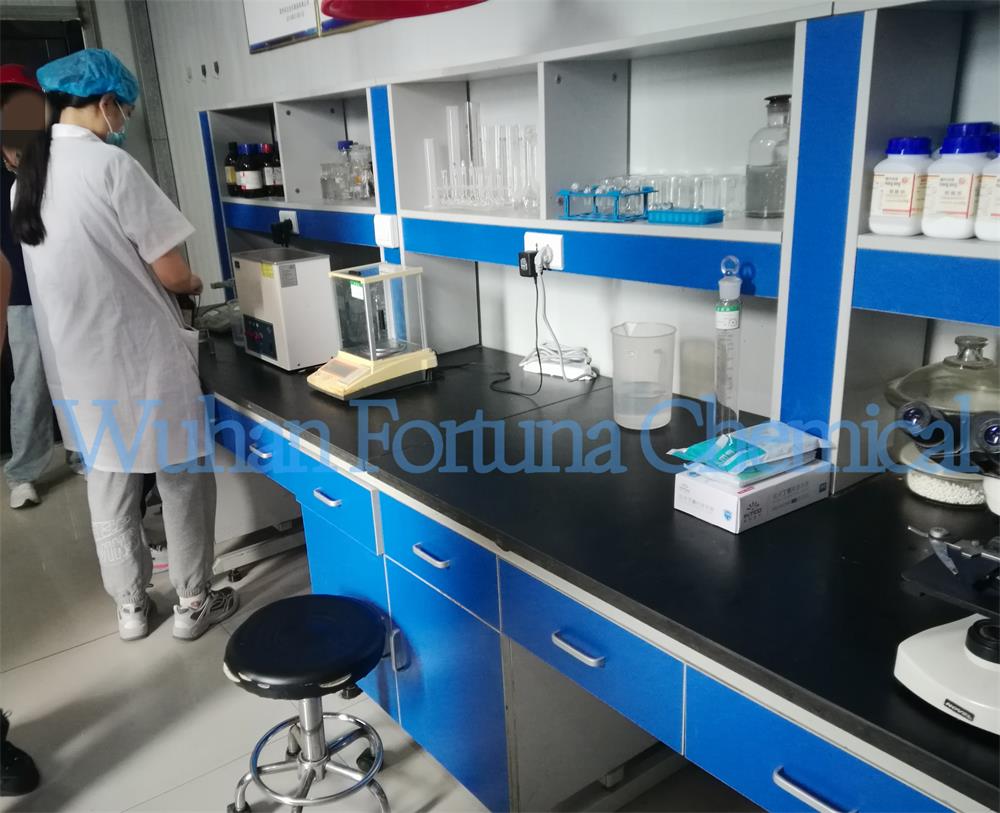
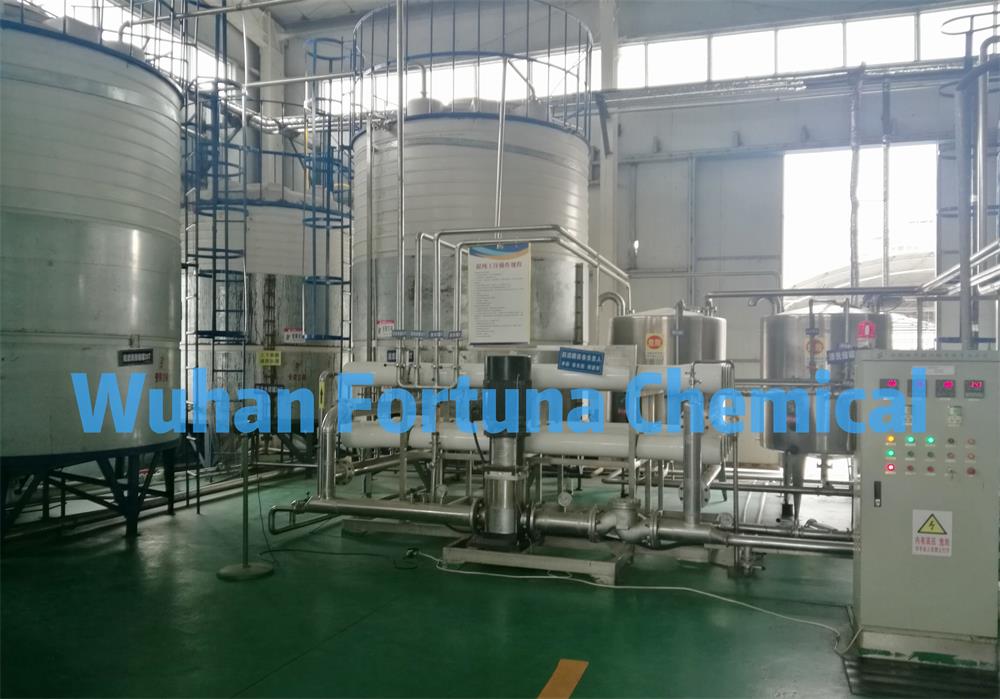
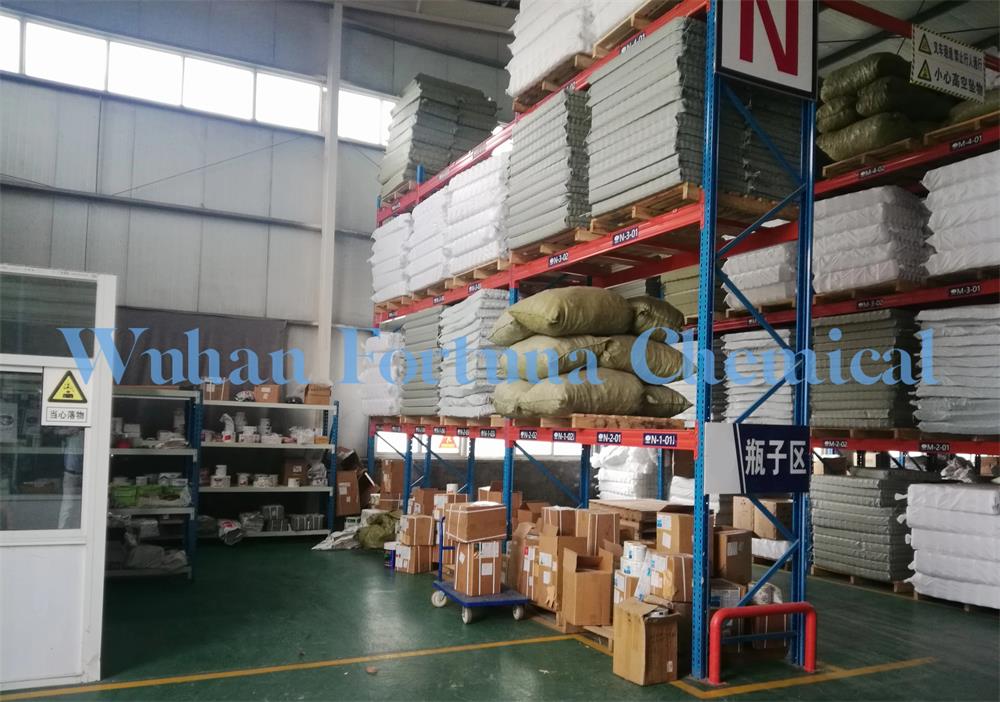

Fortunachem Provides Not Only Professional Chemical Products But Also Professional Help
Keeping you up-to-date with all the latest information, news, and events about Fortunachem!



Quick Links
Add:
E-mail:
 中文
中文