 English
  Español
  français
  العربية
 Search
Search
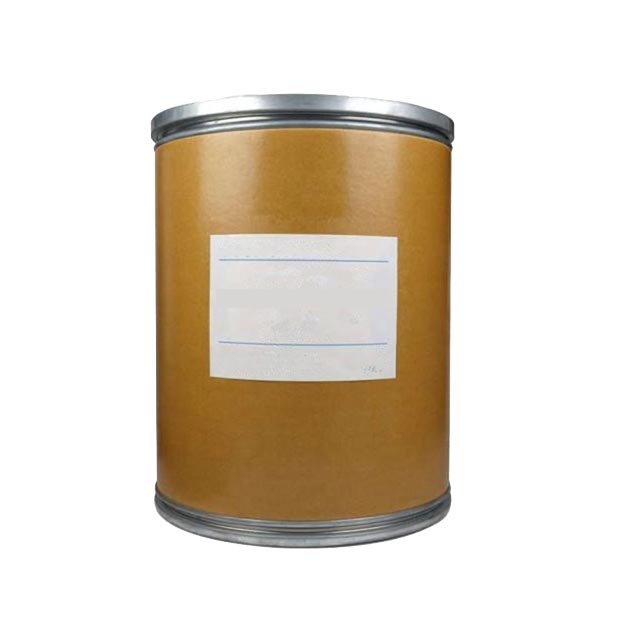
Sodium cocoyl isethionate (SCI, CAS 61789‑32‑0) is a mild, anionic surfactant derived from coconut fatty acids and isethionic acid. It appears as white solid or fine powder with low skin‑irritation potential.
It generates rich, creamy foam and exhibits excellent cleansing performance. Widely used in personal‑care products such as syndet bars, gentle facial cleansers, baby washes and shampoos. Unlike harsh sulfates, it preserves skin’s natural lipid barrier. It is compatible with other surfactants to boost foam quality. It is biodegradable and well‑tolerated by sensitive skin.
Sodium cocoyl isethionate (SCI, CAS 61789‑32‑0) is an anionic surfactant synthesized from coconut‑derived fatty acids and isethionic acid. Despite its coconut‑oil origin and low skin‑irritation profile widely proven in personal‑care industry, it is not an approved direct food additive for human consumption in most major regulatory frameworks, including China GB 2760, US FDA and EU food‑additive lists. It receives safety clearance for rinse‑off cosmetic uses, yet lacks official authorization to be intentionally incorporated into edible food matrices. This regulatory status defines its realistic roles within food‑related sectors, distinguishing it from typical food emulsifiers or preservatives.
SCI exhibits excellent surface‑active properties: it reduces surface tension, generates dense, stable foam, tolerates hard‑water conditions, and delivers mild cleansing power without harsh protein denaturation. These physicochemical traits make it theoretically capable of emulsification, foaming and anti‑foaming, but oral‑exposure toxicology data are limited. Early safety assessments focused heavily on dermal application rather than ingestion, so authorities decline to grant GRAS or food‑additive status for direct addition into bread, beverages, confectionery or meat products. Unlike monoglycerides such as monocaprylin, SCI cannot legally function as food emulsifier, anti‑staling agent or preservative inside edible formulae.
Its most relevant food‑industry application lies in food contact surface cleaning, acting as a surfactant for cleaning‑in‑place (CIP) and manual sanitation in food processing plants. Food‑grade detergents may incorporate high‑purity SCI as one component to remove grease, protein residues and oil deposits on stainless‑steel tanks, conveyor belts, filling machines and processing utensils. It dissolves stubborn organic soil, produces abundant foam to suspend contaminants, and rinses off readily. Even here, SCI serves strictly as processing‑aid detergent, not an ingredient. Strict operational controls must guarantee complete removal through adequate rinsing, so no residual SCI migrates into final food goods. Cross‑contamination must be prevented to avoid unintended ingestion.
In auxiliary food‑related fields, SCI finds limited usage in food‑contact article production. Some polymer coatings for packaging adopt surfactant‑grade SCI during manufacturing to adjust surface tension and improve coating uniformity. Again, it is a processing auxiliary for packaging‑material fabrication, not intended to transfer into food. Manufacturers must comply with migration‑limit specifications from regional food‑contact material regulations. Any measurable leaching into food would violate compliance requirements.
A further marginal application exists within animal‑feed hygiene instead of human food. Certain feed‑plant sanitizing formulations use SCI‑containing cleaners for equipment sanitation. It helps eliminate organic buildup on feed mixers and pipelines. Still, it never becomes part of feed composition itself. Misunderstanding frequently emerges from supplier catalogues which incorrectly mark SCI as food‑grade raw material; those listings confuse cosmetic‑grade raw‑material certificates with food‑additive approvals. Kosher or Halal certification for SCI normally applies for cosmetic use only and does not equal permission for edible application.
Formulators often confuse SCI with other coconut‑source food‑safe surfactants. Glyceryl monostearate, glyceryl monocaprylate and sodium stearoyl‑2‑lactylate are legally permitted food emulsifiers. SCI shares botanical origin with them, yet its chemical structure of cocoyl‑isethionate sodium salt results in different metabolic behaviour. Oral toxicity studies show low acute toxicity, but insufficient long‑term feeding trials mean JECFA, EFSA and FDA have not established acceptable daily intake for ingestion scenario. Therefore, no food category can legally add SCI to achieve emulsification, foaming or preservation effects.
Misapplication risks deserve attention. If SCI were illegally added into baked goods, whipped toppings or beverages to pursue creamy foam, several negative consequences would follow. It would violate food‑safety regulations. Sensory defects such as soapy off‑flavour would appear even at low concentrations. Digestive discomfort might occur upon continuous ingestion. Unlike gentle dermal contact, repeated oral intake lacks sufficient safety evidence. For clean‑label food projects seeking coconut‑based surfactants, formulators should select authorised monoglycerides instead of SCI.
To summarise, sodium cocoyl isethionate has no permitted direct application as an ingredient in human food. Its food‑relevant uses are confined to sanitation of food‑processing equipment and auxiliary processing aids for food‑contact packaging materials, with zero intentional presence in finished edible products. Its high‑performance surfactant properties are fully deployed in personal‑care syndet bars, facial cleansers and shampoo bars, where regulatory approval is well‑established. Food technologists must strictly distinguish cosmetic‑grade SCI from genuine food‑grade surfactants and abide by local additive lists to avoid non‑compliant formulation. Any proposal to introduce SCI into food matrix requires full novel‑food safety evaluation and official regulatory authorisation before commercial adoption.
Wuhan Fortuna Chemical Co.,Ltd established in 2006, is a big integrative chemical enterprise being engaged in Pharmaceutical and Intermediates, Food and Feed additives, Fine chemicals,Biochemical and Reagent, which is the members of Hubei E-commerce Chamber.
Our company has professional persons who major in chemical R&D and sicentific management, supply fine chemical products with high quality and close service, also supply custom-tailored products according to our clients' requirement.
We have a positive and self-motivated management work team with a common philosophy, caring and commitment through teamwork, our team strive to achieve success in delighting our clients and ourselves.
Since Wuhan Fortuna Chemical Co., Ltd founded, we continuously innovate our products and improve our service, sales network. Hence, we initiate the first sale mode on net in China, which is the retail trade of small package bring along wholesale of diversified management modes. Our products are exported widely to South Korea, Vietnam, Australia, Europe and South America, highly recommended by our clients.We insist on the management creed “Market is our compass, Quality is our life, Credit is our soul”. Clients’ trust is our forward power, their satisfaction is our struggling goal.

Fortunachem Provides Not Only Professional Chemical Products But Also Professional Help
Keeping you up-to-date with all the latest information, news, and events about Fortunachem!



Quick Links
Add:
E-mail:
 中文
中文