 English
  Español
  français
  العربية
 Search
Search
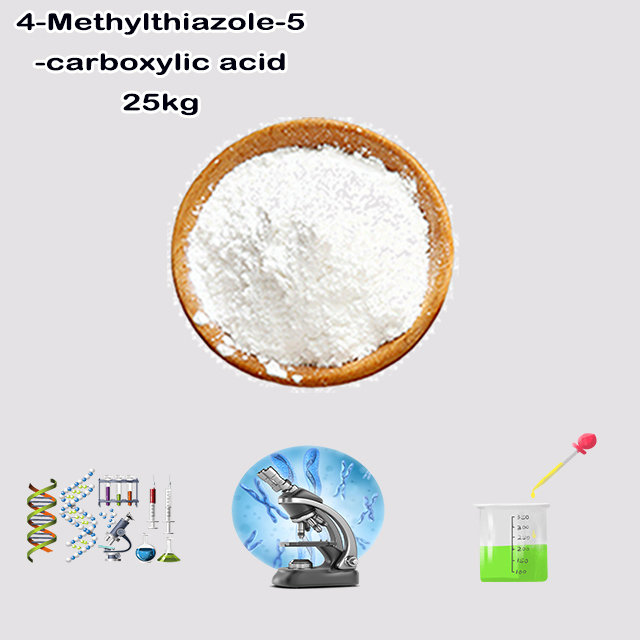
4-Methylthiazole-5-carboxylic acid is a heterocyclic organic compound with a thiazole ring bearing a methyl group at position 4 and a carboxylic acid at position 5. It serves as a key building block in medicinal chemistry, used to synthesize pharmaceuticals with antimicrobial, anti-inflammatory, or anticancer activities. Its structure allows easy modification—such as esterification or amidation—for drug development. The compound also finds use in agrochemical research and as a ligand in coordination chemistry due to its nitrogen and sulfur donor atoms. Though not typically used directly in flavors, related thiazoles contribute savory notes in food chemistry. Generally handled as a solid under standard lab safety protocols, it is valued for its reactivity and role in creating bioactive molecules. Its molecular formula is C₅H₅NO₂S, and it exemplifies how small heterocycles enable innovation across chemical sciences.
A methyl group (–CH₃) at position 4, and
A carboxylic acid group (–COOH) at position 5.
Key Properties:
Molecular Weight: ~143.16 g/mol
Appearance: Typically a white to off-white solid
Solubility: Moderately soluble in polar solvents like water, ethanol, or DMSO due to the carboxylic acid group
Aromaticity: The thiazole ring is aromatic, contributing to its stability and reactivity profile
Uses in Chemistry and Industry:
Pharmaceutical Intermediates:
It serves as a building block for synthesizing more complex bioactive molecules.
Thiazole derivatives are common motifs in drugs due to their broad biological activities (e.g., antimicrobial, anti-inflammatory, antiviral).
Example: Analogues appear in kinase inhibitors or antimetabolite drugs.
Agrochemicals:
Used in the development of pesticides and herbicides, where the thiazole core enhances target specificity or environmental stability.
Ligand in Coordination Chemistry:
The nitrogen and sulfur atoms can act as donor sites for metal coordination, useful in catalysis or material science.
Flavor and Fragrance Chemistry:
Some alkylthiazoles contribute to roasted, meaty, or savory notes. While 4-methylthiazole-5-carboxylic acid itself may not be used directly as a flavorant (due to the acidic group), decarboxylated or esterified derivatives might be.
Research Tool:
Employed in medicinal chemistry for structure–activity relationship (SAR) studies.
Can be converted to esters, amides, or acyl chlorides for further functionalization.
Safety & Handling:
Like many carboxylic acids, it may be irritating to skin/eyes.
Standard lab precautions (gloves, goggles) are recommended.
Not typically classified as highly toxic, but specific safety data should be checked via SDS (Safety Data Sheet).
In summary, 4-Methylthiazole-5-carboxylic acid is a versatile heterocyclic scaffold widely used in drug discovery and organic synthesis due to its functional handles (–COOH and aromatic ring) and biological relevance.
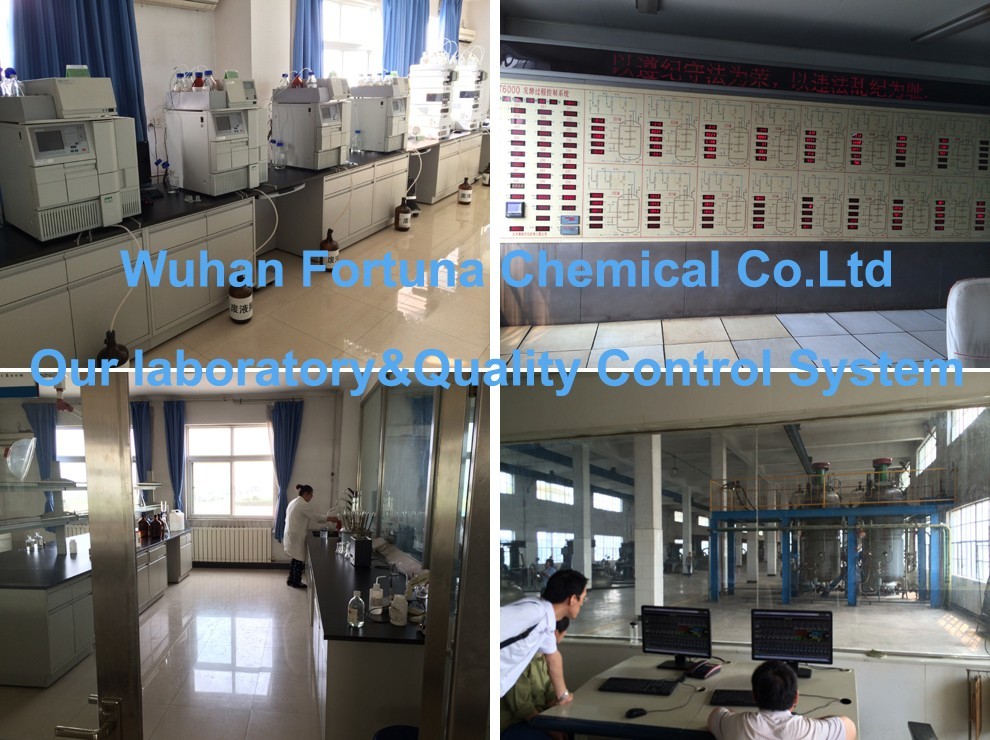
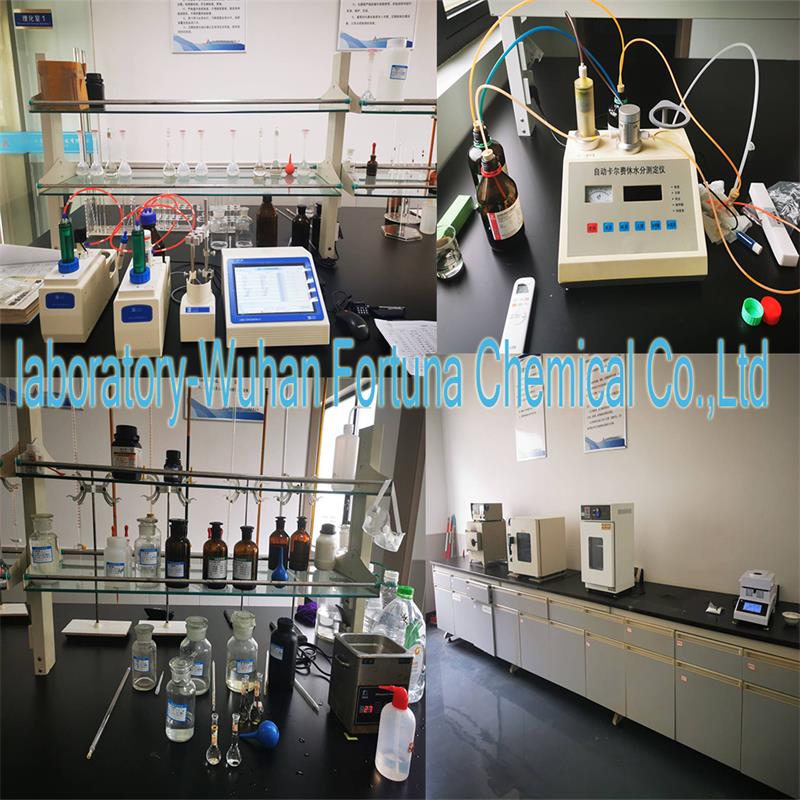

Fortunachem Provides Not Only Professional Chemical Products But Also Professional Help
Keeping you up-to-date with all the latest information, news, and events about Fortunachem!



Quick Links
Add:
E-mail:
 中文
中文