 English
  Español
  français
  العربية
 Search
Search
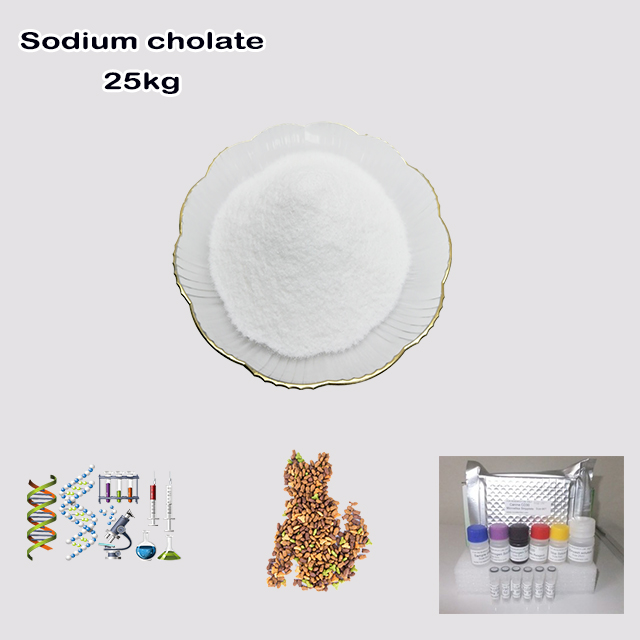

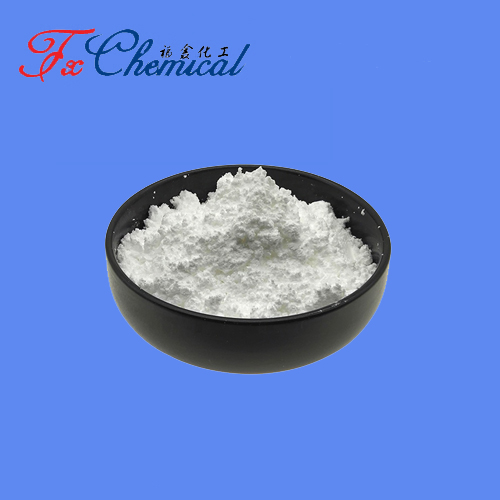
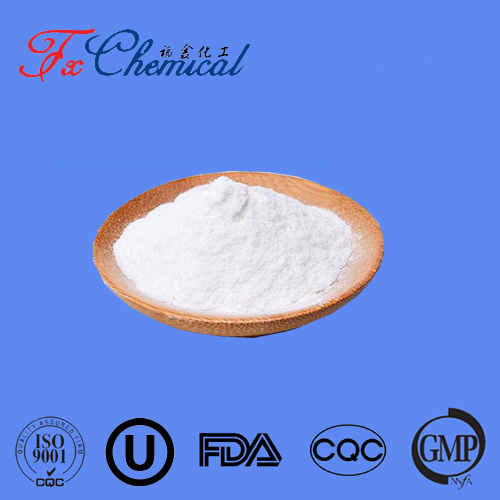
Sodium cholate is a primary bile salt, a natural biological detergent produced by the liver. Its main function is to emulsify fats in the small intestine, breaking them into tiny droplets so digestive enzymes can process them and the body can absorb fat-soluble vitamins.Beyond digestion, it's widely used in laboratory research to solubilize membrane proteins and break open cells (lysis). It's also a key reagent in DNA purification and various biochemical processes due to its effective surfactant properties.
Items | Specifications | Results |
Identify | The solution should be bluish-purple | |
Specific rotation | +35°~+42.5° | +36° |
Light transmittance | 72% | |
Melting Point | ≥225℃ | 225.8℃ |
Loss on Drying | ≤5.0% | 1.8% |
Heavy metal | ≤20 ppm | 12 ppm |
DCA | 0.79% | |
PH | 6.5-9.5(2% aqueous solution) | 8.2 |
Unknown impurity | 0.2% | |
Total impurity | ≤2.0% | 1.1% |
Assay | ≥98.0% | 98.9% |
Conclusion | The product complies with the enterprise standards. | |
Sodium Cholate is a primary bile salt. Bile salts are natural, biological detergents produced by your liver, stored in your gallbladder, and released into your intestines to help digest and absorb fats and fat-soluble vitamins.
Think of it as your body's own natural soap for fat.
Source: It is a naturally occurring molecule in the bile of most animals, including humans.
Chemistry: It is the sodium salt of cholic acid, which is one of the major acids derived from cholesterol to make bile. The "sodium" part makes it water-soluble.
Key Property: It is a biological surfactant (or detergent). This means it has one end that is attracted to water (hydrophilic) and another end that is attracted to fat (hydrophobic). This allows it to emulsify fats—to break large fat globules into tiny droplets, making them accessible to digestive enzymes.
Its primary biological role is in digestion:
Emulsification: After you eat a meal containing fat, bile (which contains sodium cholate) is released into the small intestine. It surrounds droplets of dietary fat, breaking them into a fine emulsion.
Micelle Formation: These emulsified droplets are then packaged into even smaller structures called "micelles." Micelles transport fat molecules to the intestinal wall where they can be absorbed into the bloodstream.
Solubilization: It also helps solubilize cholesterol and fat-soluble vitamins (A, D, E, K), which is crucial for their absorption.
Because of its powerful surfactant properties, sodium cholate has important uses beyond the human body, primarily in laboratories and industry.
Here is a table of its common uses:
| Field/Area | Specific Uses | Why It's Used There |
|---|---|---|
| Physiology & Medicine | Digestive Aid: A component in some pharmaceutical preparations. | Helps improve the absorption of fat-soluble drugs or vitamins in patients with impaired bile production. |
| Laboratory Research | Protein Solubilization: Isolating membrane proteins. | Membrane proteins are embedded in fatty lipid layers. Sodium cholate dissolves these lipids to extract the proteins without completely denaturing them. |
| Cell Lysis: Breaking open cells to study their contents. | Its detergent property disrupts the fatty cell membrane and nuclear envelope. | |
| PCR & Molecular Biology: Used in certain DNA purification protocols. | Helps to break down cellular membranes and inactivate nucleases that could degrade DNA. | |
| Industrial & Biotech | Biochemical Reagent: A key ingredient in many laboratory buffers and kits. | Its predictable and well-understood properties make it a reliable tool for standardizing experiments. |
Safety: In a laboratory or industrial context, it should be handled with care using appropriate personal protective equipment (PPE) like gloves and goggles, as it can be irritating to the eyes, skin, and respiratory tract.
Natural vs. Supplemental: While it is natural and essential in the body, its use in medicine or supplements is carefully controlled, as an imbalance of bile salts can have side effects.
| Aspect | Description |
|---|---|
| What it is | A natural bile salt and biological detergent. |
| Primary Natural Role | To emulsify and digest dietary fats in the small intestine. |
| Key Property | Powerful surfactant (emulsifier). |
| Common Synthetic Uses | Laboratory research (protein isolation, cell lysis), pharmaceutical aid, and as a biochemical reagent. |
In essence, Sodium Cholate is a crucial molecule for fat digestion in living organisms, and its excellent detergent properties have made it an invaluable tool in scientific research and biotechnology.

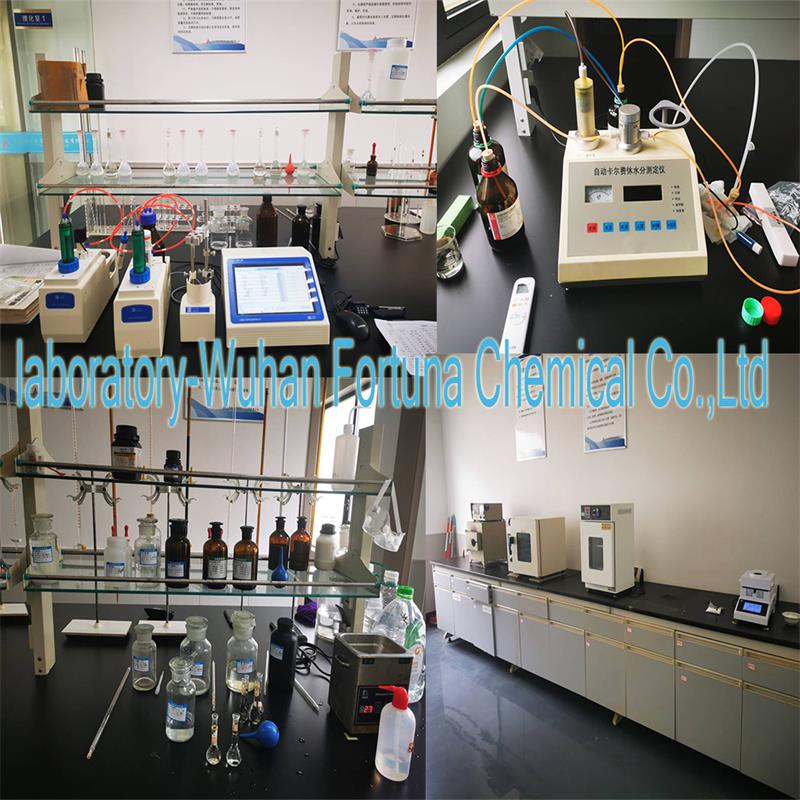


Fortunachem Provides Not Only Professional Chemical Products But Also Professional Help
Keeping you up-to-date with all the latest information, news, and events about Fortunachem!


Quick Links
Add:
E-mail:
 中文
中文