 English
  Español
  français
  العربية
 Search
Search
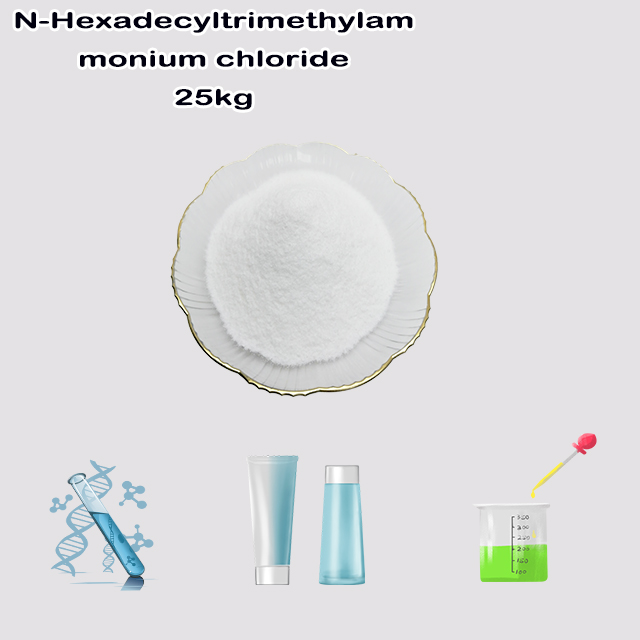


N-Hexadecyltrimethylammonium chloride (CTAC), often called Cetrimonium Chloride in cosmetics, is a cationic surfactant. Its primary use is in hair conditioners and fabric softeners, where its positive charge binds to negatively charged surfaces like damaged hair or fibers. This smooths cuticles, reduces static electricity, and improves softness.
Industrially, it serves as an antimicrobial preservative, corrosion inhibitor, and emulsifier. In scientific research, CTAC is crucial for synthesizing gold nanorods, acting as a shape-directing agent. It also functions as a phase transfer catalyst in organic chemistry. While effective, it requires careful handling as it can irritate eyes and skin and is toxic to aquatic life. Its unique amphiphilic structure makes it indispensable for personal care formulations and specialized material synthesis globally.
Items | Specifications | Results |
Appearance | Colorless liquid | Colourless to pale yellow liquid |
Content(W/W) | 30.52% | 30.0%±2% |
Free Amine and salt(w/w) | 0.27% | ≤1.5% |
PH(10%w/v water solution) | 7.3 | 5-9 |
Chroma(APHA) | 40# | ≤150# |
Conclusion | The product conforms to the above specifications. | |
N-Hexadecyltrimethylammonium chloride (often abbreviated as CTAC, HTAC, or known by the trade name Adogen 444) is a cationic surfactant and quaternary ammonium compound. Its chemical formula is C19H42ClN , and it consists of a long hydrophobic hexadecyl (cetyl) chain attached to a hydrophilic trimethylammonium head group with a chloride counter-ion.
It is widely used in industrial, laboratory, and personal care applications due to its surface-active and antimicrobial properties.
Key Uses and Applications
1. Personal Care and Cosmetics (Most Common Consumer Use)
In this sector, it is often listed on ingredient labels as Cetrimonium Chloride.
Hair Conditioner: It is a primary ingredient in many hair conditioners and detangling sprays. Being positively charged (cationic), it binds strongly to negatively charged damaged hair shafts. This smooths the cuticle, reduces static electricity, improves wet combing, and leaves hair feeling soft.
Antimicrobial Agent: It acts as a preservative and antibacterial agent in cosmetic formulations.
Emulsifier: Helps mix oil and water phases in lotions and creams.
2. Industrial and Textile Applications
Fabric Softener: Similar to its use in hair care, it coats natural and synthetic fibers (like cotton, polyester, and wool) to make them feel softer and reduce static cling.
Anti-static Agent: Used in manufacturing plastics and fibers to prevent the buildup of static electricity.
Flotation Agent: In mining, it is used as a collector in the froth flotation process to separate minerals (e.g., potash from salt).
Corrosion Inhibitor: Added to industrial water systems and acid solutions to protect metal surfaces from corrosion.
Phase Transfer Catalyst: In organic synthesis, it helps facilitate reactions between reagents in different phases (e.g., aqueous and organic layers).
3. Laboratory and Research Uses
Surfactant for Nanomaterials: CTAC is frequently used in the synthesis of gold nanorods and other nanoparticles. It acts as a capping agent that directs the growth of the crystal into specific shapes (like rods instead of spheres) by binding to specific crystal faces.
Membrane Studies: Used in biophysics to study ion channels and membrane permeability because it can disrupt lipid bilayers or form pores.
DNA Extraction: Sometimes used in protocols to precipitate nucleic acids or remove polysaccharides.
Mechanism of Action ("Selling Points")
The utility of N-Hexadecyltrimethylammonium chloride stems from its amphiphilic structure:
Cationic Nature: The positive charge allows it to electrostatically bind to negatively charged surfaces (hair, skin, bacterial cell walls, mineral surfaces). This is why it is so effective as a conditioner and antimicrobial.
Long Hydrophobic Tail: The 16-carbon chain allows it to insert into lipid membranes (killing bacteria by disrupting them) or align at interfaces to lower surface tension (acting as a surfactant).
Stability: As a quaternary ammonium salt, it is chemically stable over a wide pH range and compatible with many other ingredients.
Safety and Handling
Irritation: It is an irritant to the eyes, skin, and respiratory system. In high concentrations, it can cause chemical burns.
Toxicity: Like many quaternary ammonium compounds, it is toxic if ingested in significant amounts.
Environmental Impact: It is toxic to aquatic life (fish and algae) and should not be released into waterways untreated.
Summary: If you see this ingredient on a shampoo bottle, it’s there to make your hair soft and manageable. If you see it in a chemistry catalog, it’s likely being used as a surfactant, catalyst, or template for making nanomaterials.
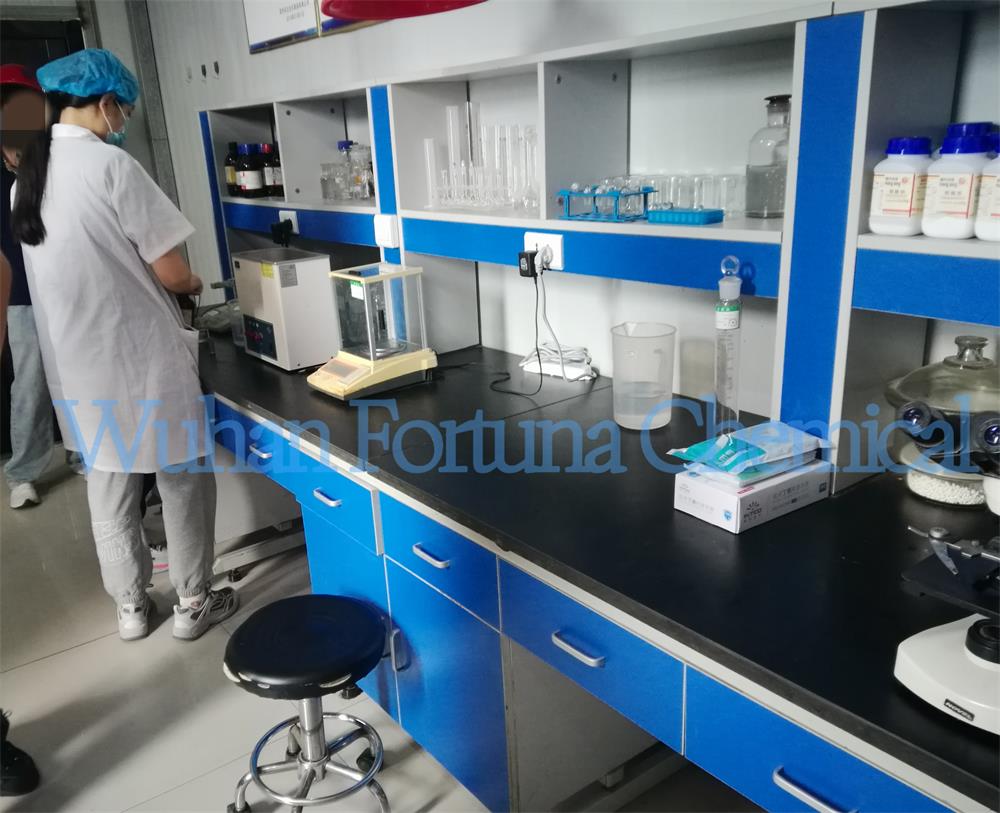
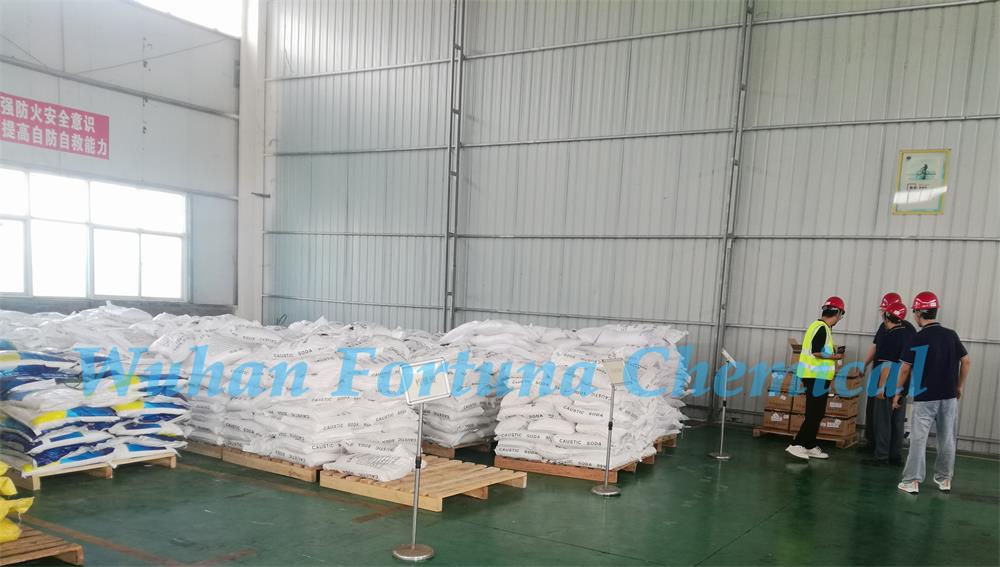
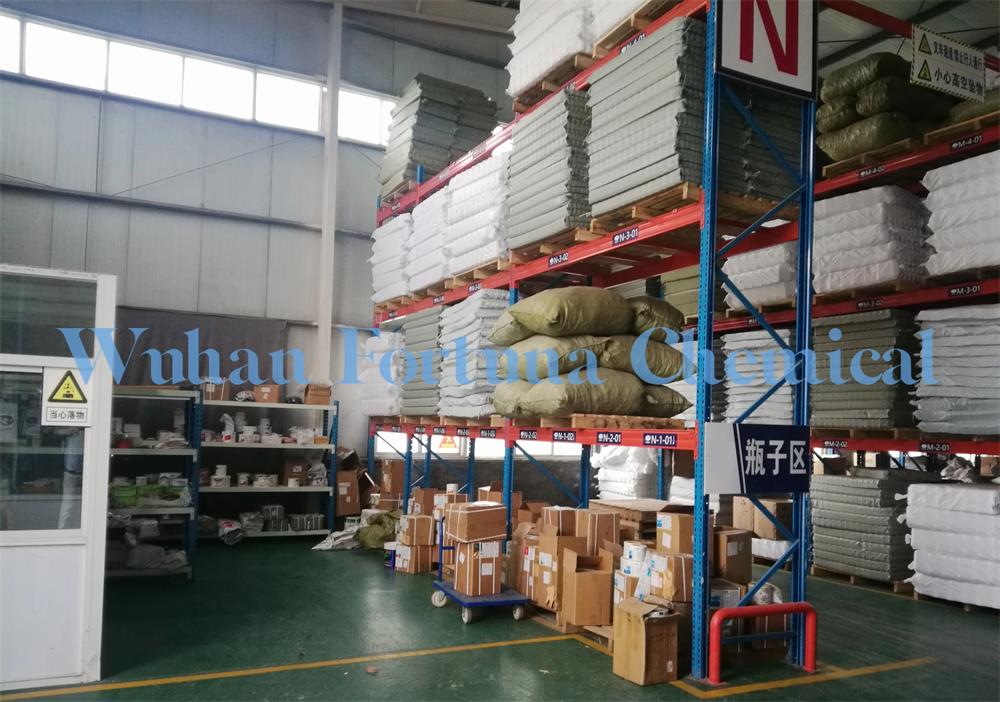

Fortunachem Provides Not Only Professional Chemical Products But Also Professional Help
Keeping you up-to-date with all the latest information, news, and events about Fortunachem!



Quick Links
Add:
E-mail:
 中文
中文