 English
  Español
  français
  العربية
 Search
Search
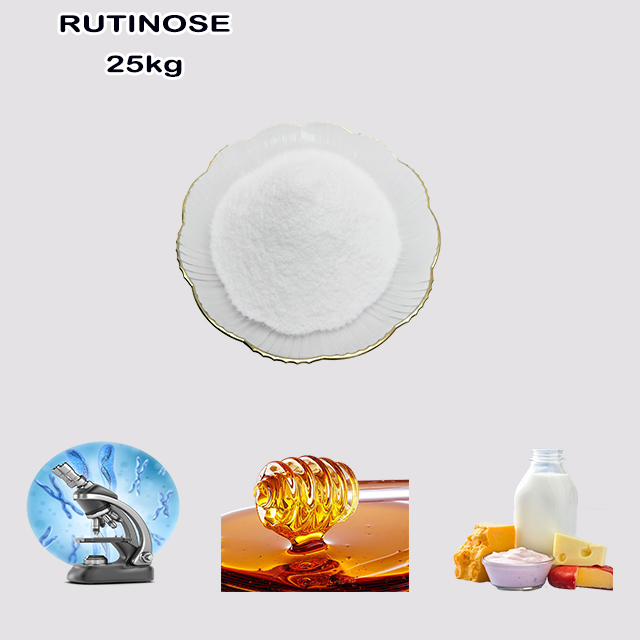
Rutinose is a disaccharide (a sugar composed of two monosaccharides) specifically made of α-L-rhamnose linked (α1→6) to D-glucose. It is not found free in nature but is the essential sugar moiety in several important flavonoid glycosides.
Its main significance is as part of bioactive plant compounds:
As part of Rutin: Rutinose is the sugar chain attached to the flavonoid quercetin to form rutin (quercetin-3-O-rutinoside), a powerful antioxidant and vasoprotective compound found in buckwheat, citrus, and asparagus.
Function: The rutinose unit dramatically increases the water solubility and alters the absorption, bioavailability, and biological activity of the core flavonoid compared to its aglycone form.
Other Glycosides: It is also present in other flavonoids like hesperidin (from citrus) and naringin (from grapefruit).
In summary, rutinose itself has no direct use, but as a structural component of key flavonoid glycosides, it is crucial for their stability, solubility, and physiological effects in plants and human nutrition/pharmacology. It is also a product of rutin metabolism in the gut.
Items | Specifications | Results |
Appearance | A white or off-white power | Complies |
Solubility | Easily soluble in water. Clear and colorless solution | Complies |
MS and NMR | Should comply | Complies |
Water | Max. 10% | 4.42% |
Assay by HPLC based on ELSD | Min. 95% | 98.5% |
Conclusion | The product conforms to the above specifications. | |
Rutinose is a naturally occurring disaccharide—a sugar composed of two linked monosaccharide units. Specifically, it consists of α-L-rhamnose joined by an α(1→6) glycosidic bond to D-glucose. Unlike common dietary sugars, rutinose is not typically found in its free form in nature. Instead, it serves a critical role as the glycosidic side chain attached to certain flavonoid molecules, profoundly influencing their properties and functions.
The unique combination of rhamnose and glucose in this specific linkage makes rutinose a key determinant of the solubility, stability, and biological activity of the compounds it forms. The rhamnose unit, in particular, contributes to the molecule's hydrophilicity and interaction with enzymes and receptors.
Rutinose's major importance lies in its role as part of several prominent flavonoid glycosides, which are widespread in plants and significant for human health:
Rutin (Quercetin-3-O-rutinoside): This is the most famous compound containing rutinose. Rutin is a powerful antioxidant and vasoprotective agent found in foods like buckwheat, asparagus, and citrus fruits. The rutinose sugar group is essential for rutin's bioavailability and its ability to strengthen capillaries.
Hesperidin (Hesperetin-7-O-rutinoside): A major flavonoid in citrus peels, hesperidin contributes to vascular health and has anti-inflammatory effects. The rutinose moiety influences its absorption and metabolism.
Naringin (Naringenin-7-O-rutinoside): Found abundantly in grapefruit, naringin is responsible for its characteristic bitter taste. The rutinose unit is cleaved off in the gut to produce the aglycone naringenin.
Solubilization: Attaching the hydrophilic rutinose disaccharide to a fat-soluble flavonoid aglycone (like quercetin) dramatically increases its water solubility, allowing for better distribution in plant tissues and in the human bloodstream.
Bioavailability & Metabolism: The rutinose linkage affects how the flavonoid is absorbed and metabolized. In the human intestine, specific gut bacteria produce enzymes (α-rhamnosidases) that can cleave the rutinose unit, releasing the active aglycone for absorption or further transformation.
Biological Activity: The presence and specific structure of the rutinose sugar can enhance or modify the antioxidant, anti-inflammatory, and cellular signaling activities of the parent flavonoid compared to its unsweetened form.
While not used directly as an ingredient, rutinose is relevant in:
Nutraceutical and Pharmaceutical Research: Understanding its role in flavonoid metabolism helps optimize the formulation of herbal extracts (like rutin or hesperidin supplements) for improved efficacy.
Synthetic Biology and Enzymology: The enzymes that synthesize or break down the rutinose bond (rhamnosyltransferases and rhamnosidases) are targets for research, potentially enabling the commercial production of high-value flavonoids.
Food Science: Its presence influences the taste profile (e.g., bitterness of naringin) and nutritional value of plant-based foods.
In summary, rutinose is far more than just a simple sugar. It is a crucial functional module in nature's design of important bioactive flavonoids, governing their behavior in both plants and the humans who consume them. Its study sits at the intersection of carbohydrate chemistry, phytochemistry, and nutritional pharmacology.
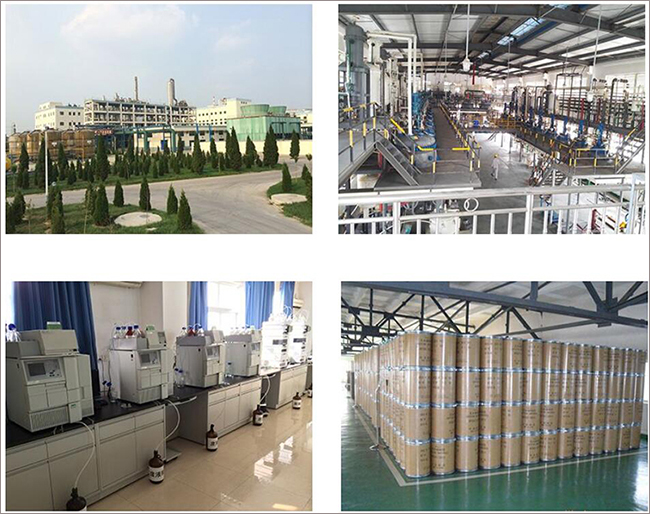

Fortunachem Provides Not Only Professional Chemical Products But Also Professional Help
Keeping you up-to-date with all the latest information, news, and events about Fortunachem!


Quick Links
Add:
E-mail:
 中文
中文