 English
  Español
  français
  العربية
 Search
Search
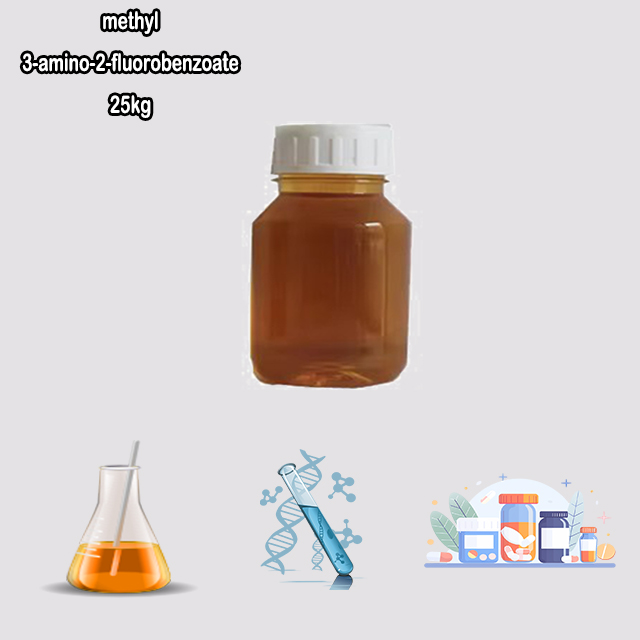
It is an organic compound and fluorinated aromatic building block with the formula C₈H₈FNO₂. It features three key functional groups: a methyl ester, an amino group, and a fluorine atom on a benzene ring.
Its main value is as a versatile intermediate in organic synthesis, particularly for pharmaceutical and agrochemical research.
Pharmaceutical Intermediate: The amino and ester groups allow for multiple chemical transformations. It is a key precursor in synthesizing:
Drug candidates (e.g., kinase inhibitors, antimicrobial agents).
Fluorinated analogs of biologically active molecules, where fluorine improves metabolic stability and binding affinity.
Agrochemical Intermediate: Used to create fluorinated active ingredients for crop protection.
General Synthesis: The amine can be derivatized (e.g., to amides, sulfonamides), and the ester can be hydrolyzed to an acid or reduced, enabling diverse molecular construction.
The ortho-fluorine influences the molecule's conformation and electronic properties, which is often exploited in drug design to optimize interactions with biological targets.
Methyl 3-amino-2-fluorobenzoate is a fluorinated aromatic ester with the molecular formula C₈H₈FNO₂. It is characterized by three distinct functional groups attached to a benzene ring: a methyl ester (–COOCH₃) at the 1-position, a fluorine atom at the 2-position (ortho to the ester), and an amino group (–NH₂) at the 3-position (meta to the ester and ortho to the fluorine). This combination makes it a highly versatile and valuable multifunctional building block in synthetic organic chemistry, particularly for the pharmaceutical and agrochemical industries.
The molecule's reactivity is defined by its functional groups:
The Methyl Ester: Can undergo hydrolysis to yield the corresponding carboxylic acid, transesterification, or reduction to an alcohol. It is often used as a masked carboxylic acid or a directing group for further transformations.
The Aromatic Amine (–NH₂): A highly versatile handle for derivatization. It can participate in acylation reactions to form amides, sulfonylation to form sulfonamides, diazotization followed by substitution (Sandmeyer reactions), or reductive amination.
The Ortho-Fluorine Atom: This is a critical feature. The fluorine atom exerts strong electronic and steric effects:
It is highly electronegative, withdrawing electron density from the ring and influencing the acidity/basicity of neighboring groups.
Its small size allows it to participate in specific non-covalent interactions (e.g., dipole-dipole, C–F...H–X hydrogen bonds) with biological targets, a key aspect of medicinal chemistry.
Its presence ortho to the ester and ortho to the amine can influence the conformation and reactivity of these groups through steric hindrance and intramolecular interactions.
This synergy of functional groups allows chemists to perform sequential, regioselective reactions, constructing complex molecules from this single, readily manipulated starting point.
This is the predominant application. Methyl 3-amino-2-fluorobenzoate serves as a crucial scaffold for synthesizing active pharmaceutical ingredients (APIs) and drug candidates, especially in the following areas:
Kinase Inhibitors: Many modern targeted cancer therapies are kinase inhibitors. The benzoate scaffold is common in their structures. The fluorine atom is often introduced to improve metabolic stability, enhance binding affinity through interactions with kinase hinge regions, and optimize lipophilicity for better cell membrane permeability. The amine provides a point of attachment for other pharmacophore elements.
Antimicrobial and Antiviral Agents: Fluorinated aromatic rings are prevalent in agents designed to combat resistant pathogens. The compound can be used to build the core of molecules that target bacterial enzymes or viral proteases.
Central Nervous System (CNS) Drugs: Fluorination is a standard strategy to increase the blood-brain barrier penetration of drug candidates. This compound can be a starting point for synthesizing fluorinated analogs of neurotransmitters or receptor modulators.
Library Synthesis for Drug Discovery: In medicinal chemistry, it is used to generate diverse compound libraries. For example:
The amine can be coupled with hundreds of carboxylic acids (to form amide libraries) or sulfonyl chlorides (to form sulfonamide libraries).
The ester can be converted to an acid hydrazide, leading to heterocyclic scaffolds like oxadiazoles or triazoles, which are privileged structures in drug design.
In agrochemical discovery, fluorination is equally important for enhancing the activity, photostability, and systemic properties of pesticides and herbicides. This compound can be used to synthesize:
Fluorinated fungicides and herbicides, where the specific substitution pattern disrupts essential biological processes in target pests or weeds.
Plant growth regulators.
Ligand Synthesis: It can be used to prepare fluorinated ligands for catalysts or metal-organic frameworks (MOFs).
Polymer Modification: Incorporated as a monomer or side-chain to impart specific properties (e.g., altered solubility, electronic characteristics) to advanced polymers.
Dyestuffs: As an intermediate for synthesizing specialized fluorinated dyes and pigments.
A typical sequence in drug discovery might involve:
Acylation: Reacting the amino group of methyl 3-amino-2-fluorobenzoate with a specific acid chloride to form a new amide bond.
Ester Hydrolysis: Treating the resulting methyl ester with aqueous base (e.g., LiOH) to yield the corresponding carboxylic acid.
Amide Coupling: Using a coupling agent (e.g., HATU) to link this newly formed acid to a second amine-containing fragment, creating a more complex, drug-like molecule.
This stepwise approach showcases how each functional group is independently leveraged to build molecular complexity.
As a fine chemical, it requires standard laboratory precautions. It is likely an irritant to the skin, eyes, and respiratory system. It should be handled in a well-ventilated area or fume hood, using appropriate personal protective equipment (PPE) including gloves and safety glasses. Storage should be in a cool, dry place, away from strong oxidizers and acids.
In essence, methyl 3-amino-2-fluorobenzoate is not an end-product but a sophisticated molecular "Lego brick." Its value lies in its defined fluorine substitution pattern and its multiple reactive sites, which allow medicinal and process chemists to efficiently construct complex, fluorinated aromatic target molecules with precision. The inclusion of fluorine is a deliberate design strategy to improve the pharmacokinetic and pharmacodynamic profiles of the final active compounds, making this intermediate a staple in modern chemical research and development.
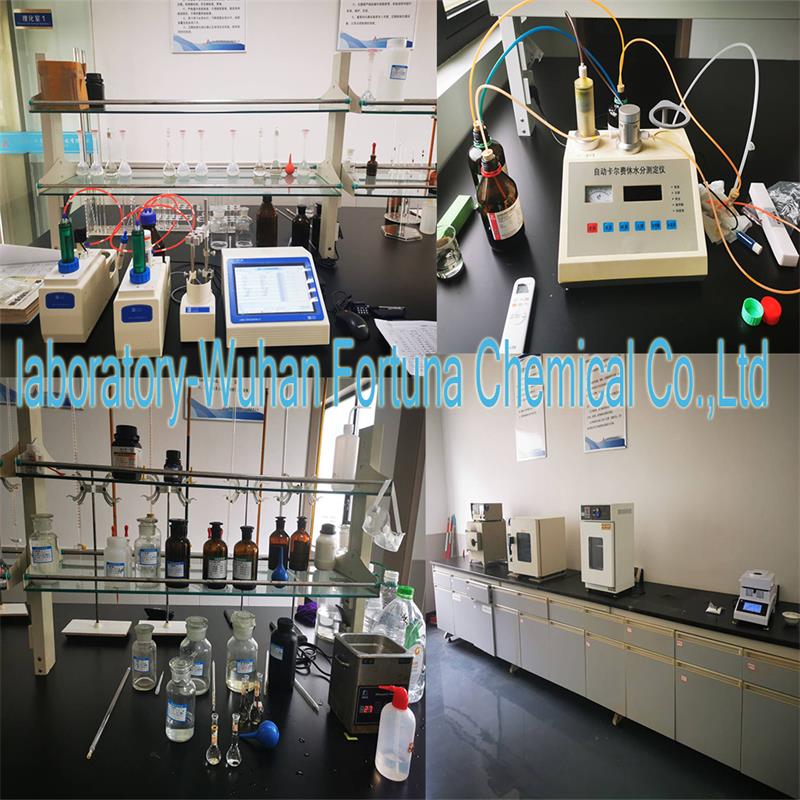
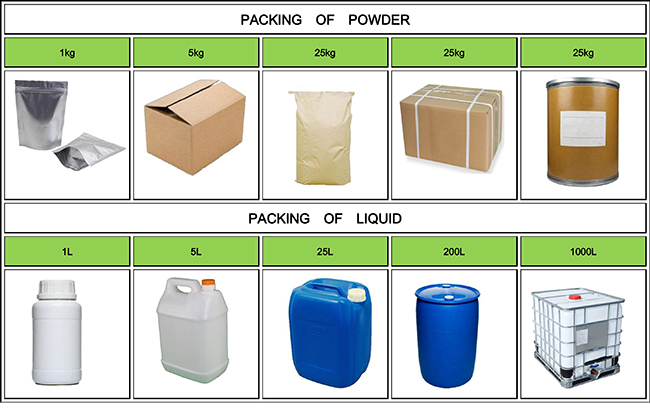
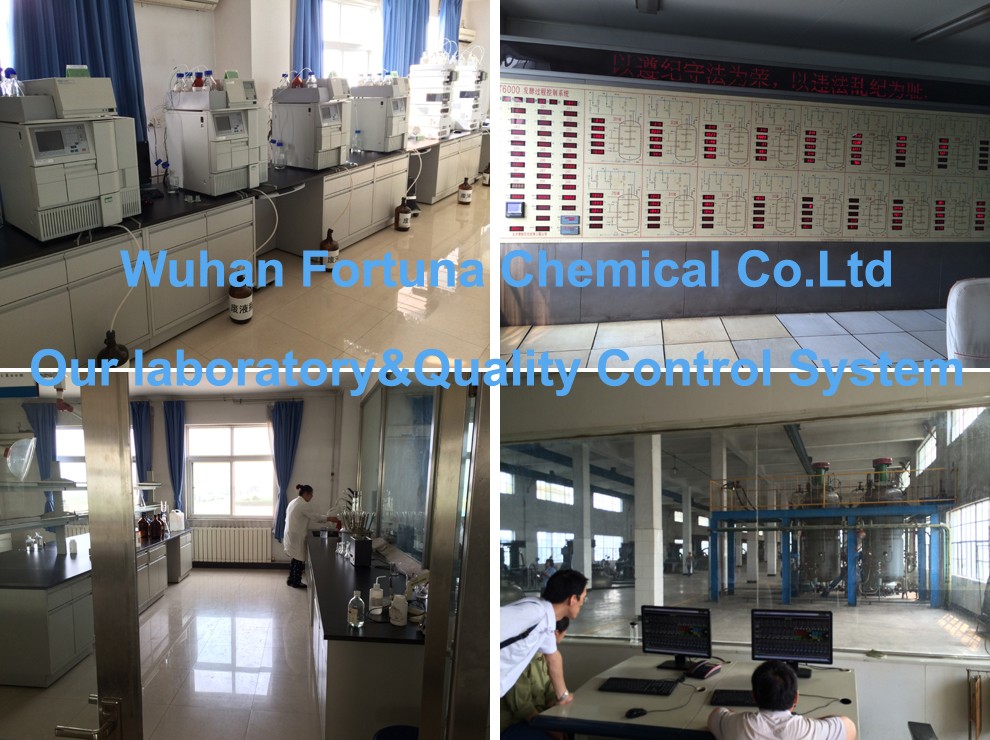

Fortunachem Provides Not Only Professional Chemical Products But Also Professional Help
Keeping you up-to-date with all the latest information, news, and events about Fortunachem!


Quick Links
Add:
E-mail:
 中文
中文