 English
  Español
  français
  العربية
 Search
Search
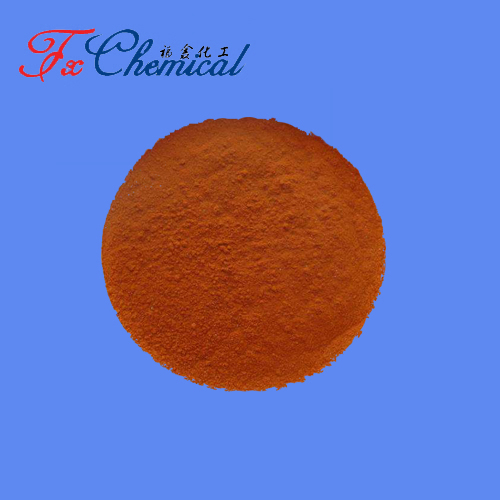
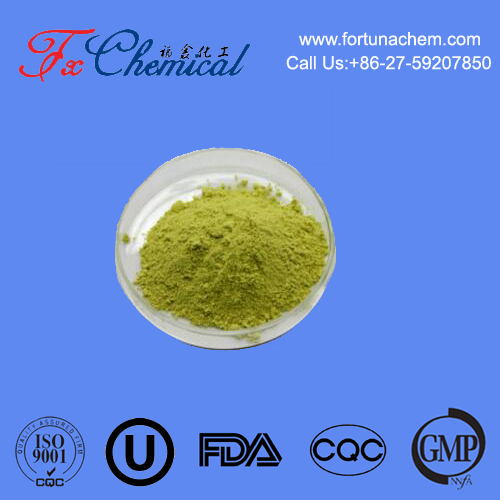
9-(o-carboxyphenyl)-6-hydroxy-3h-xanthen-3-one,disodiumsalt is a synthetic compound commonly used as a fluorescent dye in various applications, particularly in medical diagnostics, and laboratory research. It is the sodium salt of 9-(o-carboxyphenyl)-6-hydroxy-3h-xanthen-3-one,disodiumsalt, a bright green-yellow organic dye that exhibits intense fluorescence when exposed to light in the blue to ultraviolet (UV) range.
9-(o-carboxyphenyl)-6-hydroxy-3h-xanthen-3-one,disodiumsalt has a wide range of applications across several fields, particularly in medical diagnostics, laboratory research, and industrial testing. Below are the main areas of its application:
9-(o-carboxyphenyl)-6-hydroxy-3h-xanthen-3-one,disodiumsalt Angiography: 9-(o-carboxyphenyl)-6-hydroxy-3h-xanthen-3-one,disodiumsalt is widely used in ophthalmology, especially in 9-(o-carboxyphenyl)-6-hydroxy-3h-xanthen-3-one,disodiumsalt angiography, a diagnostic procedure to examine the blood vessels in the retina. After injecting fluorescein dye into the bloodstream, a special camera takes pictures of the retina under a blue light. This helps to detect retinal diseases such as diabetic retinopathy, macular degeneration, and retinal vein occlusion.
Corneal Abrasions: It is used to detect corneal abrasions or damage to the eye's surface. When applied as eye drops, the dye binds to damaged areas of the cornea and appears bright green under blue light, helping doctors to assess the extent of the injury.
Urinary Tract and Renal Studies: 9-(o-carboxyphenyl)-6-hydroxy-3h-xanthen-3-one,disodiumsalt is sometimes used in urinary tract studies. It can be injected intravenously to assess kidney function and track urine flow, especially in detecting leaks or abnormalities in the urinary system.
Lymphatic Imaging: In some cases, 9-(o-carboxyphenyl)-6-hydroxy-3h-xanthen-3-one,disodiumsalt is used for lymphatic mapping, particularly in cancer surgeries (such as breast cancer), to locate sentinel lymph nodes by injecting it near a tumor. The dye travels through the lymphatic system and can be detected to identify important lymph nodes for biopsy.
Fluorescence Microscopy: 9-(o-carboxyphenyl)-6-hydroxy-3h-xanthen-3-one,disodiumsalt is commonly used as a fluorescent marker in fluorescence microscopy. It is often attached to antibodies, proteins, or nucleic acids, enabling researchers to track or visualize specific cells or biomolecules under a microscope.
Cell Imaging and Flow Cytometry: Researchers use 9-(o-carboxyphenyl)-6-hydroxy-3h-xanthen-3-one,disodiumsalt-labeled probes in flow cytometry to study cells' physical and chemical characteristics. 9-(o-carboxyphenyl)-6-hydroxy-3h-xanthen-3-one,disodiumsalt can be conjugated to antibodies, allowing the detection of specific cell surface markers.
In Vitro Testing: 9-(o-carboxyphenyl)-6-hydroxy-3h-xanthen-3-one,disodiumsalt is also used in a variety of in vitro assays to track biological molecules, interactions, and cell viability in laboratory settings.
Leak Detection: 9-(o-carboxyphenyl)-6-hydroxy-3h-xanthen-3-one,disodiumsalt is used in leak detection applications, particularly for checking for leaks in plumbing, piping, or tanks. Since the dye fluoresces under UV light, it makes it easy to trace leaks in water-based systems.
Water Tracing: It is also employed in environmental science to study water flow and contamination in bodies of water. 9-(o-carboxyphenyl)-6-hydroxy-3h-xanthen-3-one,disodiumsalt can be added to a water source and tracked to understand the movement of water in rivers, lakes, or groundwater systems.
Crime Scene Investigation: 9-(o-carboxyphenyl)-6-hydroxy-3h-xanthen-3-one,disodiumsalt can be used in forensics to detect bloodstains or other bodily fluids at crime scenes. When illuminated with UV light, blood stains can appear bright green, helping investigators locate traces that might otherwise be invisible to the naked eye.
Dyeing and Staining: 9-(o-carboxyphenyl)-6-hydroxy-3h-xanthen-3-one,disodiumsalt can be used in the dyeing of textiles and other materials to produce bright fluorescent colors. It is used in certain highlighter inks and fluorescent paints.
Veterinary Ophthalmology: Similar to its use in humans, 9-(o-carboxyphenyl)-6-hydroxy-3h-xanthen-3-one,disodiumsalt is used in veterinary practices for diagnosing corneal injuries in animals, particularly in dogs and cats, by highlighting abrasions or ulcers on the cornea.
Teaching Tool in Biology: 9-(o-carboxyphenyl)-6-hydroxy-3h-xanthen-3-one,disodiumsalt is commonly used in educational settings for demonstrating fluorescence, molecular biology techniques, and visualizing cellular structures or processes in biology labs.
In summary, 9-(o-carboxyphenyl)-6-hydroxy-3h-xanthen-3-one,disodiumsalt is a versatile compound used in a wide range of applications, especially in medical diagnostics, research, and environmental testing, where its fluorescence properties make it highly useful for detecting, visualizing, and tracking specific elements.

Fortunachem Provides Not Only Professional Chemical Products But Also Professional Help
Keeping you up-to-date with all the latest information, news, and events about Fortunachem!


Quick Links
Add:
E-mail:
 中文
中文
![Benzo[ghi]perylene CAS 191-24-2](/uploads/image/20220408/09/benzo-ghi-perylene-1.jpg "Benzo[ghi]perylene CAS 191-24-2")