 English
  Español
  français
  العربية
 Search
Search
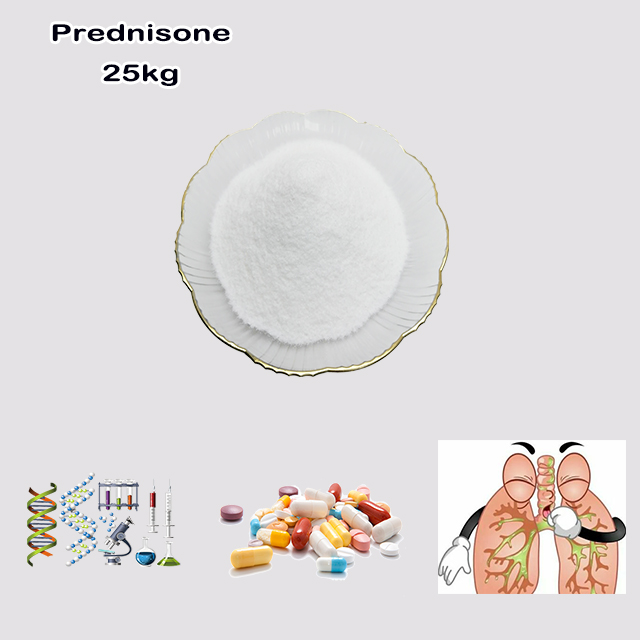


Prednisone belongs to the adrenocortical hormone class of drugs, with anti-inflammatory, anti-allergic and other effects. Prednisone can inhibit the proliferation of connective tissue, reduce the permeability of capillary walls such as cell membranes, reduce inflammatory exudation, and inhibit the formation and release of histamine and other toxic substances. Prednisone is suitable for the treatment of connective tissue disease, systemic lupus erythematosus, severe bronchial asthma, dermatomyositis, vasculitis and other allergic diseases, acute leukemia, malignant lymphoma and other diseases.
Items | Specifications | Results |
Appearance | White to practically white,crystalline powder | White crystalline Powder |
Identification | A:IR B:Chemistry reaction | Complies Complies |
Melting Point | About 230℃,with some decomposition | Complies |
Specific Optic rotation | +167°~ +175° | +170° |
Residue on ignition | Negligible | Negligible |
Water | 0.1% | |
Assay | 97%-102%(on anhydrous basis) | 98.3% |
Related Substances | Any individual impurity≤1.5% | 0.33% |
Total impurity≤2.0% | 1.2% | |
Residual Solvents | Methanol≤3000 ppm | Complies |
Acetone≤5000 ppm | Complies | |
Dichloroform≤600 ppm | Complies | |
Conclusion | The product conforms to the above specifications. | |
Welcome to inquire us to get the complete COA of Prednisone !
| Product parameters | |
| Cas number: | 53-03-2 |
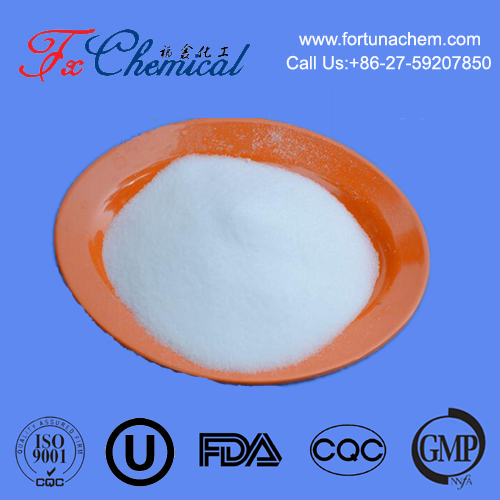
| Appearance: | White crystalline powder |
| Purity: | 97%-102% |
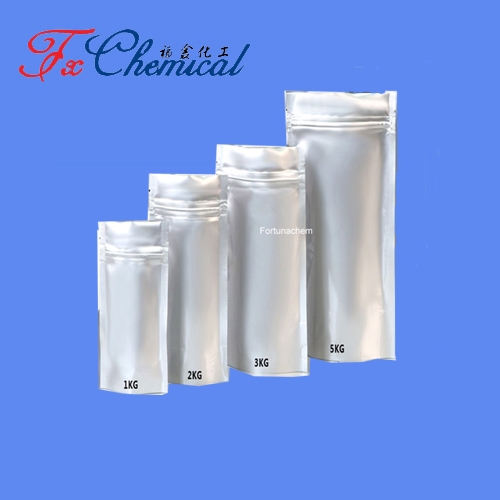
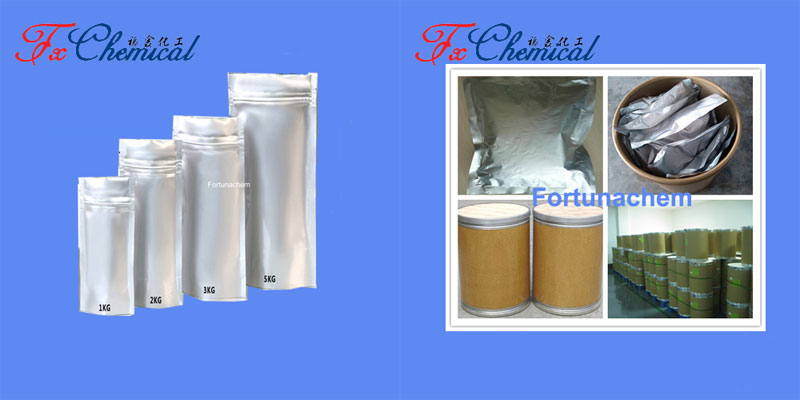
| Package details: | 1kg/foil bag |
| Brand: | Fortunachem |
Prednisone is a potent, synthetic glucocorticoid, which is a man-made version of the cortisol hormone naturally produced by your adrenal glands. It belongs to the class of medications known as corticosteroids (or just "steroids," not to be confused with anabolic steroids used for muscle building).
It is one of the most commonly prescribed oral corticosteroids in the world due to its effectiveness and versatility.
This is a crucial point, especially following the previous discussion:
Prednisone is a "prodrug." It is inactive when you take it.
Your liver must metabolize (convert) it into prednisolone, which is the active anti-inflammatory drug.
This is why prednisone is almost always administered orally (as a tablet or liquid) and is not used for eye drops or direct injections—it requires liver activation.
People with severe liver disease may be prescribed prednisolone directly (the active form) to ensure effectiveness.
Prednisone is a "disease-modifying" drug used for its powerful anti-inflammatory, anti-allergic, and immunosuppressive effects. Doctors prescribe it for a wide range of conditions, typically to quickly control severe inflammation or an overactive immune system.
Severe allergies and asthma: For acute asthma attacks not controlled by inhalers, or severe allergic reactions (angioedema, contact dermatitis).
Chronic Obstructive Pulmonary Disease (COPD): To manage acute flare-ups.
This is one of its primary uses. It suppresses the immune system when it mistakenly attacks the body's own tissues.
Rheumatoid Arthritis
Systemic Lupus Erythematosus (SLE)
Inflammatory Bowel Disease (IBD): Crohn's disease and Ulcerative colitis flares.
Multiple Sclerosis: To manage acute relapses.
Vasculitis (e.g., Giant Cell Arteritis, Polymyalgia Rheumatica)
Severe psoriasis
Pemphigus vulgaris
Severe eczema that doesn't respond to topical treatments.
Used as part of an immunosuppressant regimen to prevent the body from rejecting a transplanted organ (like a kidney or heart).
Used in chemotherapy protocols for cancers like leukemia and lymphoma because it can kill certain cancer cells (lymphocytes).
To replace cortisol in conditions like Adrenal Insufficiency (Addison's disease) or Congenital Adrenal Hyperplasia.
Once converted to prednisolone in the liver, it works similarly to the drug described previously:
It enters cells and binds to glucocorticoid receptors.
It turns down the genes responsible for producing inflammatory proteins (cytokines, prostaglandins).
It turns up the genes that make anti-inflammatory proteins.
It suppresses the activity of white blood cells (immune cells), reducing the immune response.
Dosing Philosophy:
"Lowest effective dose for the shortest possible time." This mantra guides its use to minimize side effects.
Dosing varies wildly: from 5-10 mg daily for mild arthritis, to 60-100+ mg daily for an acute autoimmune flare or organ transplant.
Common and Serious Side Effects:
Side effects depend heavily on the dose and duration of treatment.
Short-term use (a few days to weeks): Increased appetite, insomnia, mood swings (euphoria or irritability), fluid retention, elevated blood sugar.
Long-term use (months to years):
Adrenal Suppression: The body's own cortisol production shuts down. This is why you cannot stop prednisone suddenly.
Cushing's syndrome: Moon face, weight gain (central obesity), buffalo hump.
Metabolic: High blood pressure, diabetes, high cholesterol.
Musculoskeletal: Osteoporosis, muscle weakness, avascular necrosis (bone death).
Others: Increased infection risk, thin skin/easy bruising, cataracts, glaucoma, peptic ulcers.
The Imperative of "Tapering":
This is the most important safety rule with prednisone. If taken for more than 1-2 weeks, the dose must be gradually reduced ("tapered") under a doctor's supervision.
Reason: To allow your dormant adrenal glands time to "wake up" and start producing cortisol again.
Risk of Sudden Stopping: Adrenal crisis—a life-threatening condition involving severe fatigue, low blood pressure, shock, and death.
| Feature | Prednisone | Prednisolone Sodium Phosphate |
|---|---|---|
| Form | Oral tablets/liquid (primarily) | Eye drops, injectables, oral solution |
| State in Body | Inactive Prodrug | Water-soluble salt of the active drug |
| Activation | Must be converted to prednisolone by the liver | Quickly converted to prednisolone in tissues/blood |
| Onset | Slower (requires liver processing) | Rapid (already in soluble, active-ready form) |
| Primary Use | Systemic treatment of chronic inflammation, autoimmune diseases | Local treatment (eyes, ears) & urgent systemic needs (IV/IM injection) |
Prednisone is an oral, prodrug corticosteroid that is a cornerstone treatment for managing severe inflammatory and autoimmune conditions. Its strength lies in its ability to rapidly and powerfully suppress the immune system. However, this power comes with a significant risk of side effects, especially with long-term use, making medical supervision, careful dosing, and mandatory dose tapering absolutely essential.
Disclaimer: This information is for educational purposes only. Prednisone is a prescription medication with serious risks. Always follow your doctor's instructions regarding its use, dosing, and discontinuation.


Guaranteed purity
High quality & competitive price
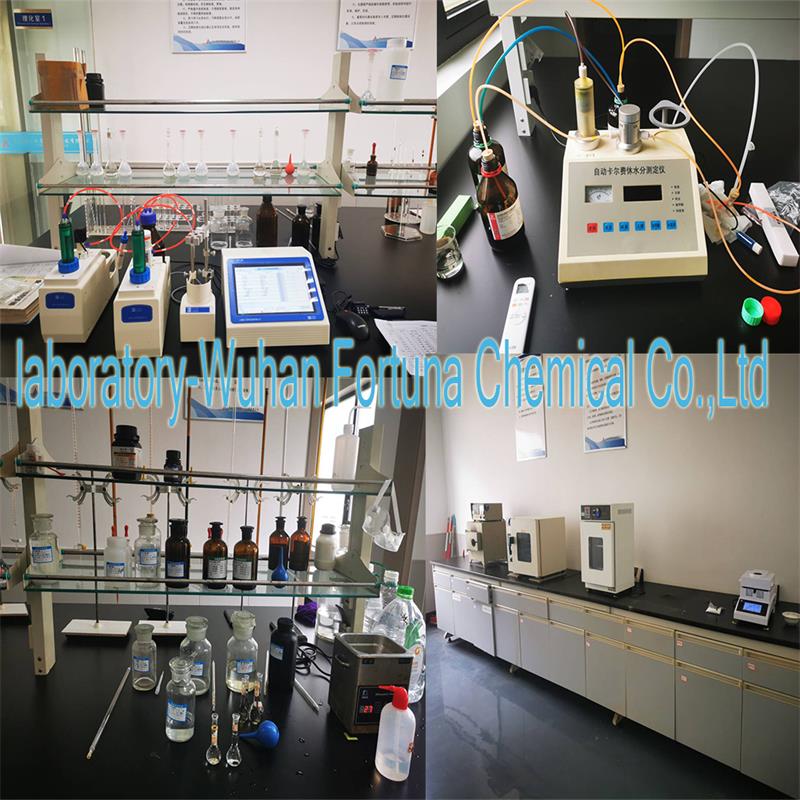
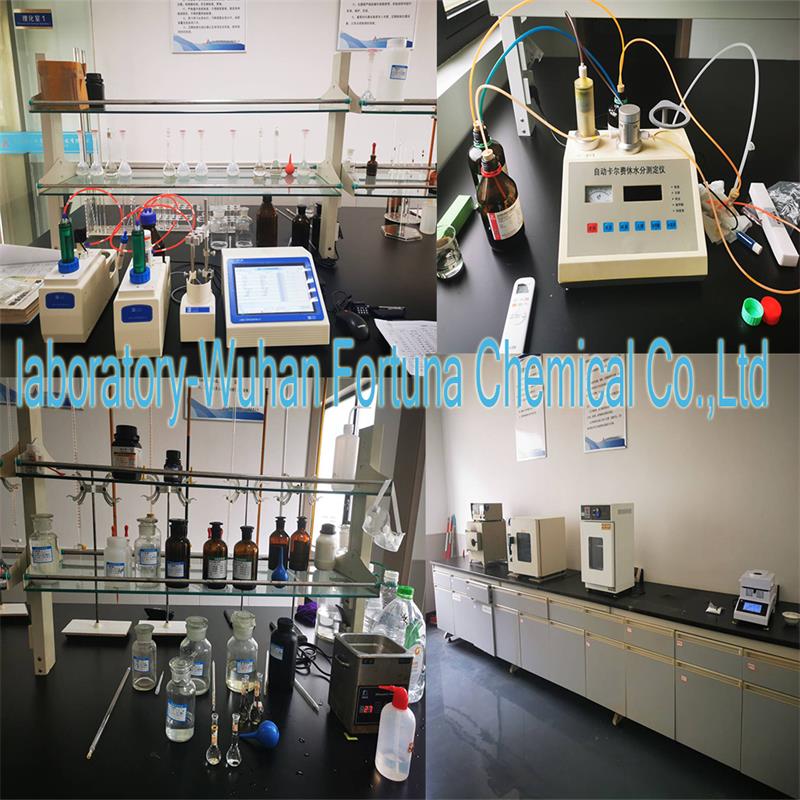
Quality control
Fast feedback
Prompt shipment

Fortunachem Provides Not Only Professional Chemical Products But Also Professional Help
Keeping you up-to-date with all the latest information, news, and events about Fortunachem!



Quick Links
Add:
E-mail:
 中文
中文