 English
  Español
  français
  العربية
 Search
Search
thiophosphoric_triamide主图.jpg "N-(n-Butyl)Thiophosphoric Triamide CAS 94317-64-3 wholesale")
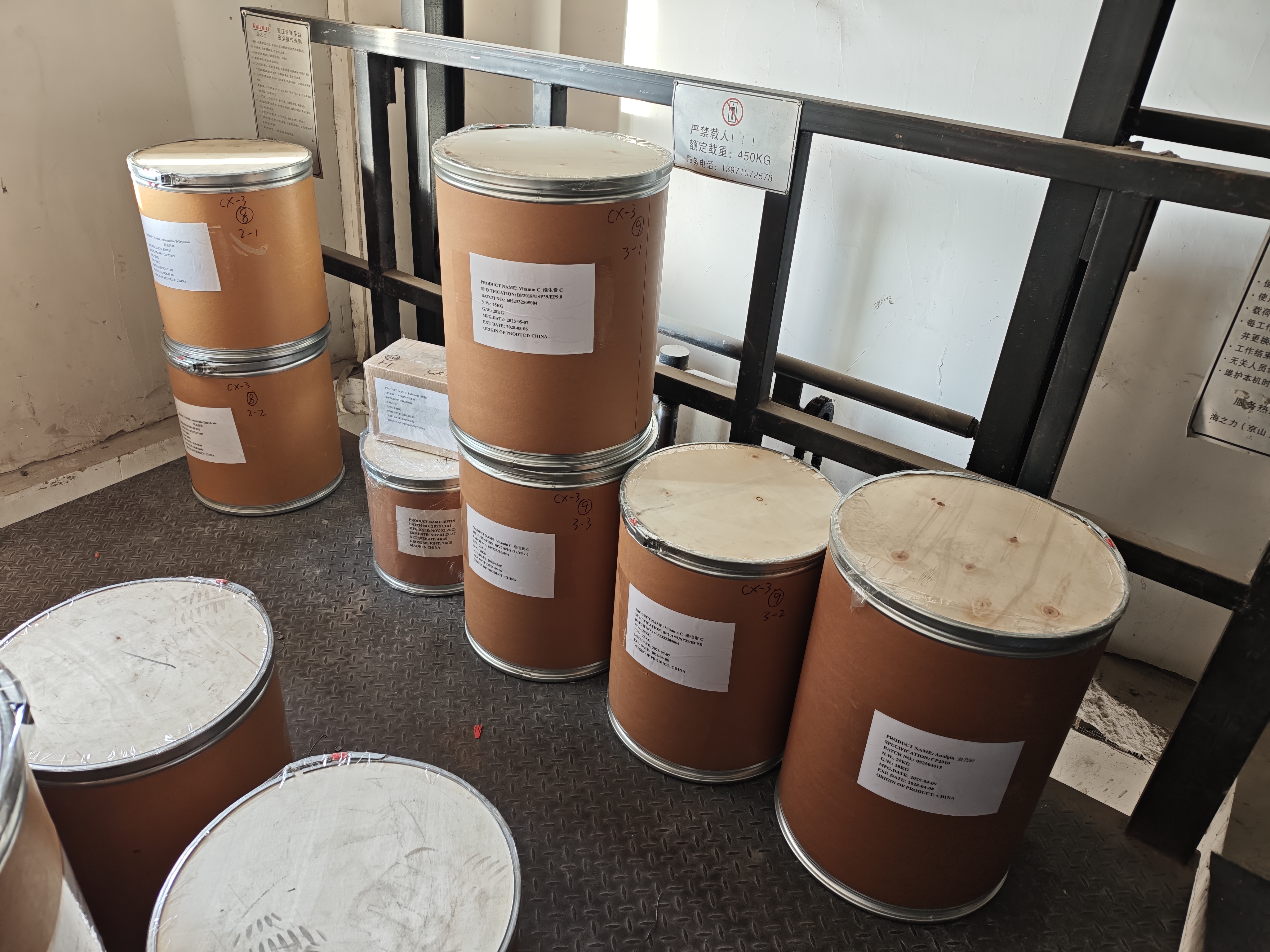
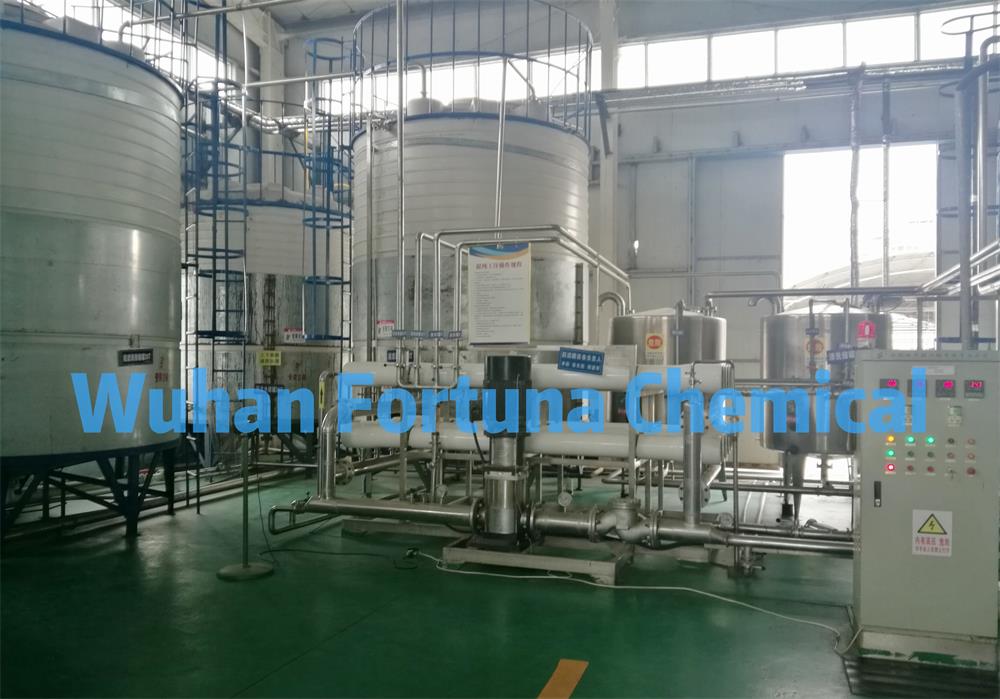
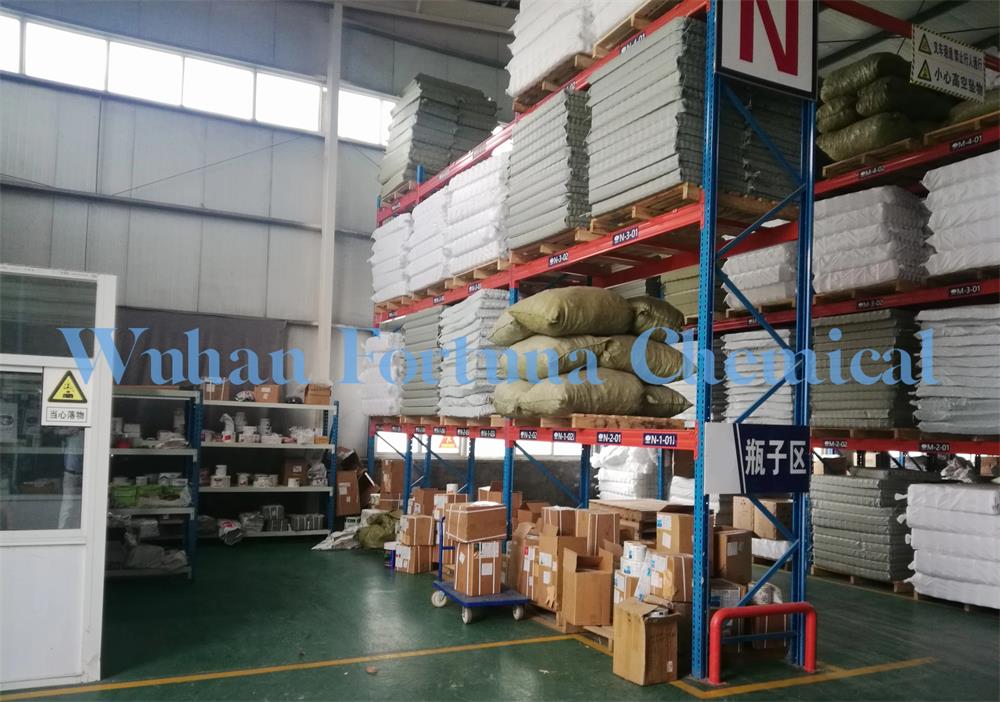
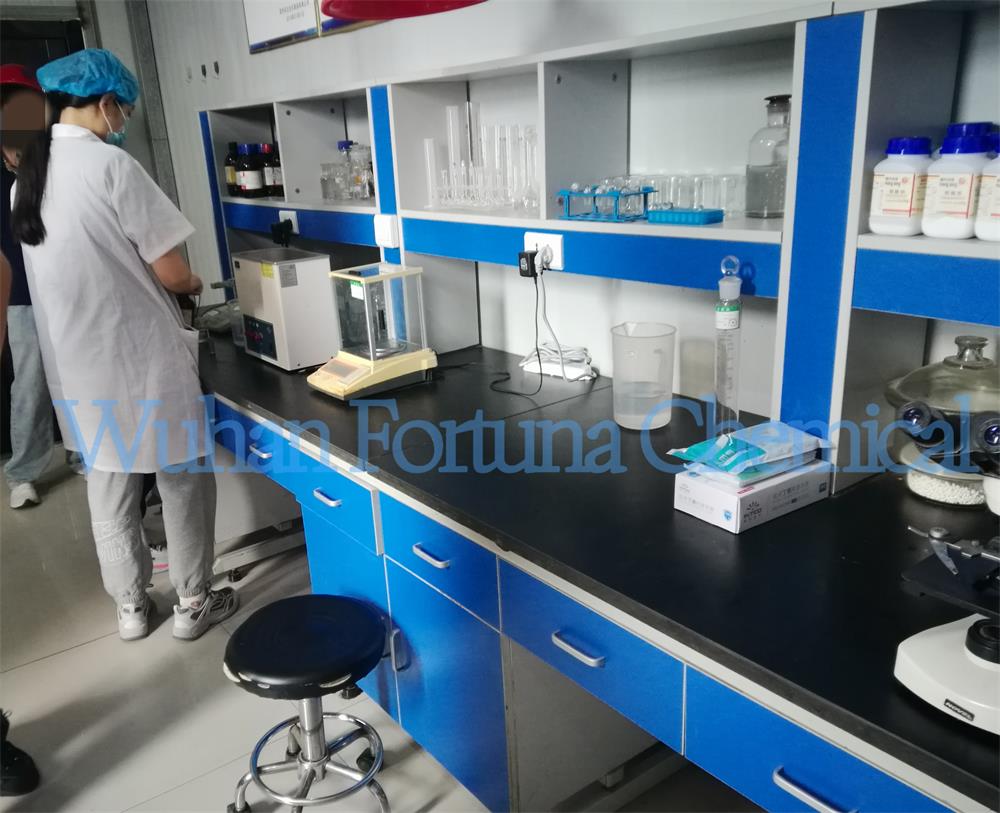
N-(n-Butyl)thiophosphoric triamide is used as a pharmaceutical intermediate.
N-Butylthiophosphoric Triamide (NBPT), CAS 94317-64-3 (C₄H₁₄N₃PS, MW 167.21), is the world's most widely used soil urease inhibitor. It is oxidized in soil to its active form NBPTO, which competitively binds to nickel ions at the urease active site, blocking the enzyme-catalyzed hydrolysis of urea into ammonia and carbon dioxide. This inhibition delays urea hydrolysis, giving urea more time to diffuse into deeper soil layers before breakdown occurs.
In agricultural applications, NBPT-treated urea reduces ammonia volatilization by 40%–60% and improves nitrogen use efficiency to over 50%, leading to average yield increases of 5%–10%. It is typically coated onto urea granules at 0.04%–0.09% of urea mass. Commercial products include Agrotain® and Limus®. NBPT degrades in soil within 7–10 days into harmless byproducts, making it a low-toxicity, environmentally compatible tool for sustainable nitrogen management.
Items | Specifications | Results |
Appearance(25℃) | White or off-white crystalline solids | White Crystalline solids |
Identification | IR:Identical to reference standard | Conforms |
Melting Point | 56~60℃ | 57.5-58.5℃ |
Heavy Metal | ≤20ppm | 9ppm |
Chloride Ion | ≤10ppm | 7ppm |
Loss on Drying | ≤1.0% | 0.41% |
Assay(HPLC) | ≥97.0% | 98.71% |
Storage | Store in cool, dry, enclosed, clean storage areas. Away from strong direct light. | |
Conclusion | The product conforms to the above specifications. | |

| Product parameters | |
| Cas number: | 94317-64-3 |
| Appearance: | white crystalline powder |
| Purity: | 99.0%min |
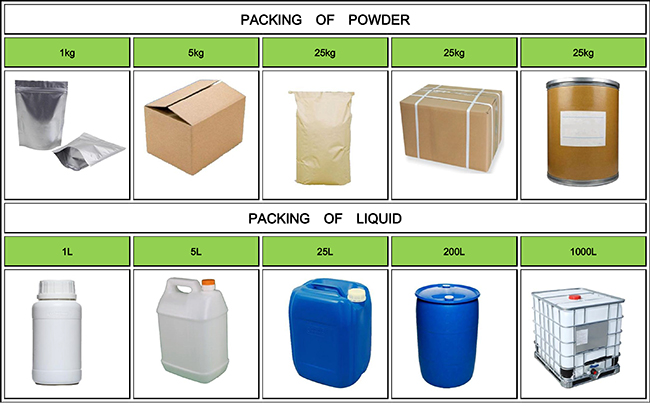
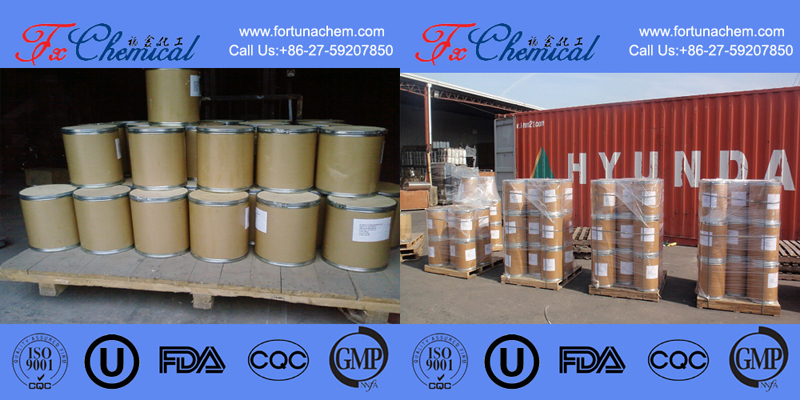
| Package details: | 25Kg/Drum |
| Brand: | Fortunachem |
N-Butylthiophosphoric Triamide (NBPT)
N-Butylthiophosphoric triamide, commonly abbreviated as NBPT, is a highly effective soil urease inhibitor. It is currently the most widely applied and commercially successful urease inhibitor in global agriculture.
Basic Chemical Information
| Property | Details |
|---|---|
| IUPAC Name | N-butylphosphorothioic triamide |
| CAS Number | 94317-64-3 |
| Molecular Formula | C₄H₁₄N₃PS |
| Molecular Weight | 167.21 g/mol |
| EINECS Number | 435-740-7 |
| SMILES | S=P(NCCCC)(N)N |
| HS Code | 29299090 |
Physicochemical Properties
| Parameter | Value |
|---|---|
| Appearance | White to off-white crystalline solid or powder |
| Melting Point | 58–60 °C |
| Boiling Point | 277.4 ± 23.0 °C (predicted) |
| Density | 1.171 ± 0.06 g/cm³ |
| Flash Point | 96 °C |
| Water Solubility | 4.3 g/L (25 °C) |
| LogP | −0.32 ~ 0.444 |
| pKa | 6.23 ± 0.70 (predicted) |
| Vapor Pressure | 0.001–1.7 Pa (25 °C) |
| Solubility | Slightly soluble in methanol and DMSO; readily soluble in halogenated solvents such as dichloromethane |
| Purity (Industrial Grade) | ≥97%–99% |
Mechanism of Action
The core function of NBPT is to competitively inhibit soil urease activity, thereby delaying the hydrolysis of urea in soil. The specific mechanism is as follows:
1. Indirect Inhibition — Requires Conversion to Active Form
NBPT itself is not a direct urease inhibitor. It must first be oxidized in the soil (especially under aerobic conditions) to N-(n-butyl) phosphoric triamide (NBPTO), which is the actual active molecule responsible for inhibition.
2. Tridentate Coordination to the Urease Active Site
NBPTO forms stable tridentate coordination bonds with the two nickel (Ni²⁺) ions in the urease active site and the oxygen atom on the carbamate bridge connecting the two metals. This prevents urea molecules from accessing the nickel active centers, thereby blocking the urease-catalyzed hydrolysis of urea.
3. Cascading Effects of Delayed Urea Hydrolysis
Once urease is inhibited, the residence time of urea in soil is extended by more than threefold, producing the following cascading effects:
Reduces the magnitude of local pH increase: Urea hydrolysis consumes H⁺, causing a sharp pH rise around fertilizer granules (from approximately 6.5 to as high as 8.8). By delaying hydrolysis, NBPT significantly reduces this pH spike.
Reduces accumulation of NH₃/NH₄⁺ at the surface: Slower hydrolysis lowers the peak concentration of ammoniacal nitrogen.
Provides time for urea diffusion: Urea has more time to diffuse and dilute into deeper soil layers. By the time the inhibitor effect gradually diminishes and urea begins to hydrolyze, the NH₃ in deeper soil can be adsorbed and fixed by the negative charges on soil colloids, substantially reducing volatilization losses.
Agricultural Application Effects
Reduction of Ammonia Volatilization
Multiple meta-analyses have shown that, compared to conventional urea, NBPT-treated urea achieves:
An average reduction in ammonia volatilization of approximately 53% (range: 40%–60%; over 85% under extreme conditions)
A decrease in global average ammonia volatilization loss from approximately 31% to about 15%
Particularly significant effects under tropical high-temperature and high-humidity conditions
Improvement of Nitrogen Use Efficiency
Nitrogen use efficiency can be increased to over 50%
Average yield increases of approximately 5%–10%, varying by crop type (wheat up to 10.2%, rice approximately 7.6%, corn approximately 4.1%)
In rice trials, combined application of NBPT with the nitrification inhibitor DMPP increased yields by 6.56%–8.24% and improved nitrogen recovery rates by 19.4%–23.7%
Application Methods
Applied as a liquid formulation coated onto urea granule surfaces, or added to urea melt during granulation
Recommended application rate: 0.04%–0.09% of urea mass (i.e., 500–1200 mg NBPT per kg of urea)
Commercial brands include Agrotain® (USA) and Limus® (a NBPT + NPPT composite formulation by BASF, Germany)
Degradation and Effective Duration in Soil
| Parameter | Details |
|---|---|
| Soil Half-life | Approximately 7–10 days (significantly influenced by temperature and pH) |
| Effective Inhibition Period | 3–7 days (degradation begins in 2–4 days in warm soils; up to 10–15 days in cool soils) |
| Acidic Soils | Degrades faster, with reduced inhibition efficiency (only 18% reduction in ammonia volatilization at pH 4.5) |
| Alkaline Soils | Longer effective duration |
| Final Degradation Products | Ammonium, sulfate, phosphate, and other harmless substances |
Safety and Storage
| Item | Details |
|---|---|
| GHS Hazard Classification | Serious eye damage (H318); Suspected of reproductive toxicity (H361); Skin sensitization (H317) |
| Signal Word | Danger |
| Acute Toxicity | Rat oral LD₅₀ > 2000 mg/kg (low toxicity) |
| Food Residue Risk | Very low — NBPT residues were not detected in milk or tissues in dairy cow feeding trials |
| Storage Conditions | Store in a light-proof, sealed container at 2–8 °C |
| Transport Classification | Combustible solid (not regulated as a dangerous good for transport) |
Synthesis Process
Industrially, NBPT is primarily synthesized via a two-step process:
Nucleophilic Substitution Reaction: Phosphorus thiocloride (PSCl₃) reacts with n-butylamine at 10 °C for 3.5 hours to generate the intermediate n-butylthiophosphoryl dichloride.
Ammonolysis Reaction: Liquid ammonia is introduced at 0 °C and reacted for 60 minutes, followed by concentration and crystallization to obtain the final product, NBPT.
Key control points: reaction temperature must not exceed 15 °C, and the ammonia gas flow rate should be maintained at 200 mL/min. Product purity can reach over 98%, with an overall yield of approximately 78%–95%.
Market and Regulations
NBPT was first commercialized in the United States in the mid-1990s (Agrotain®), and the market has grown at an annual rate of approximately 16% over the past decade.
EU Regulation (EC No 2003/2003) stipulates that the maximum NBPT addition rate in urea is 0.2% of total nitrogen mass.
Germany has enacted legislation requiring all urea fertilizers to be treated with a urease inhibitor or incorporated deep into the soil.
Major global production is concentrated in Germany and the United States, with multiple manufacturers also operating in China.
Summary
NBPT effectively delays urea hydrolysis by competitively binding to nickel ions at the urease active site, enabling nitrogen release to better synchronize with crop nutrient demand cycles. It can reduce ammonia volatilization by 40%–60% and increase nitrogen use efficiency to over 50%, making it one of the most important nitrogen fertilizer efficiency enhancers and stabilizers in global agriculture. Its combination of low toxicity, high efficacy, and biodegradability makes it a key tool in sustainable agriculture for reducing nitrogen losses and greenhouse gas emissions.





Also, if you have any other questions, you can contact us
FAQ From Wuhan Fortuna Chemical Co.,Ltd
Q1: Can I get a sample for free ?
A: For small QTY and low value product, we can provide sample for free exclude shipping cost. For high value sample, we will charge the basic sample cost, but we can refund all the cost if customers place order after sample test.
Q2: How to confirm the product quality before placing orders ?
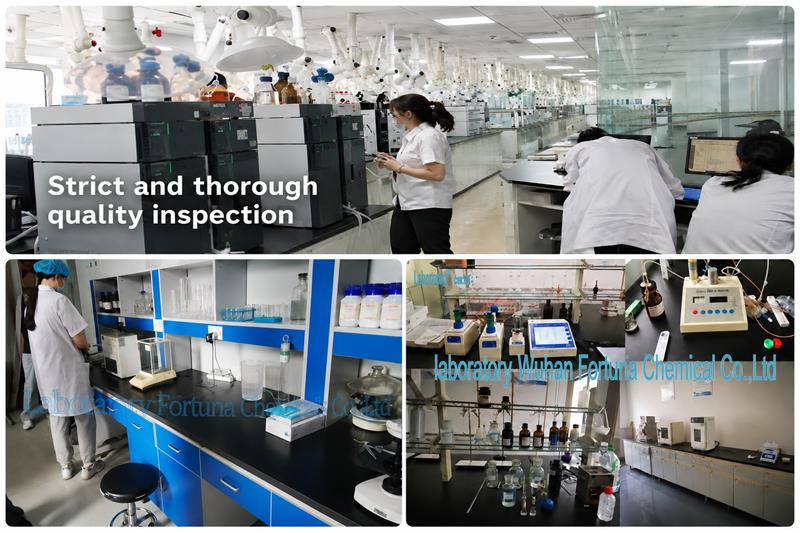
A: Most of our products confirm to international standards like USP/EP/BP/JP/CP. We will provide COA/TDS/MSDS for customers to confirm the specification before placing order.
Q3: What is the payment you accept?
A: For small and low value order, we accept CreditCard, MaterCard,VISA,Western Union and T/T.For large order, we can do T/T and L/C. Any pay on delivery or pay-after are not available for us.
Q4: What is your shipment way ?
A: For less than 100kg gross weight order will ship with courier like FedEx or UPS, we support customers to place courier orders remotely by their account, we will package the goods well and wait for pick up.For more than 100kg goods, we will transport by Air or Sea according to customers' requirement.
Q5: How long is your after-sales service?
A: We accept customer’s quality complaint in three month after customer received the goods. We provide tech.support for all-life if customer place order from our company.
Q6: How do you treat quality complaint ?
A: We support customer to provide our products to any rightful third party testing organization to test our products according to the COA specification, if the test result is confirm with COA, we will take all the loss for customers.

Name:Wuhan Fortuna Chemical Co.,Ltd
Category:Others
Trade Category: Trading Company
Employees: 11 - 50 People
Address: Room 2015, No.2 Building, Kaixin Mansion No.107
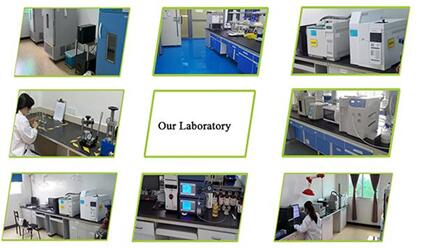
Company Information: Wuhan Fortuna Chemical Co.,Ltd established in 2006, is a big integrative chemical enterprise being engaged in Pharmaceutical and Intermediates, Food and Feed additives, Fine chemicals,Biochemical and Reagent, which is the members of Hubei E-commerce Chamber.
Our company has professional persons who major in chemical R&D and sicentific management, supply fine chemical products with high quality and close service, also supply custom-tailored products according to our clients' requirement.
We have a positive and self-motivated management work team with a common philosophy, caring and commitment through teamwork, our team strive to achieve success in delighting our clients and ourselves.
Since Wuhan Fortuna Chemical Co., Ltd founded, we continuously innovate our products and improve our service, sales network. Hence, we initiate the first sale mode on net in China, which is the retail trade of small package bring along wholesale of diversified management modes. Our products are exported widely to South Korea, Vietnam, Australia, Europe and South America, highly recommended by our clients.We insist on the management creed “Market is our compass, Quality is our life, Credit is our soul”. Clients’ trust is our forward power, their satisfaction is our struggling goal.
Wuhan Fortuna Chemical Co.,Ltd is a professional manufacturer which provide N-(n-Butyl)Thiophosphoric Triamide with good quality and best price, welcome to contact us to get COA/TDS/MSDS of N-(n-Butyl)Thiophosphoric Triamide.
1. Guaranteed purity;
2. Large quantity in stock;
3. Largest manufacturer;
4. Best service after shipment with email;
5. High quality & competitive price;

Fortunachem Provides Not Only Professional Chemical Products But Also Professional Help
Keeping you up-to-date with all the latest information, news, and events about Fortunachem!



Quick Links
Add:
E-mail:
 中文
中文