 English
  Español
  français
  العربية
 Search
Search
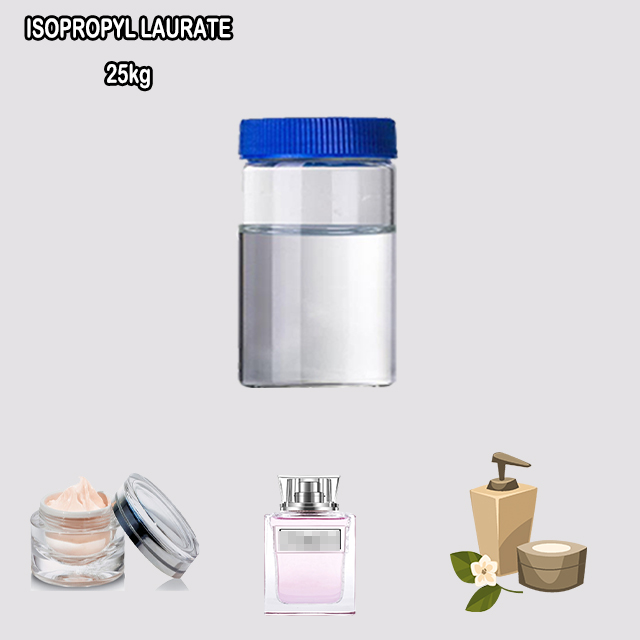
Isopropyl laurate can be used as a cosmetic raw material.Isopropyl Laurate is a synthetic ester made from isopropyl alcohol and lauric acid (often from coconut oil). It's a lightweight, oil-soluble liquid widely used in cosmetics as an emollient and solvent. Prized for its non-greasy, silky texture, it helps soften skin and improve product spreadability. You'll find it in lightweight lotions, sunscreens, serums, and makeup removers, where it provides hydration without clogging pores, making it suitable for many skin types, including oily and acne-prone complexions.
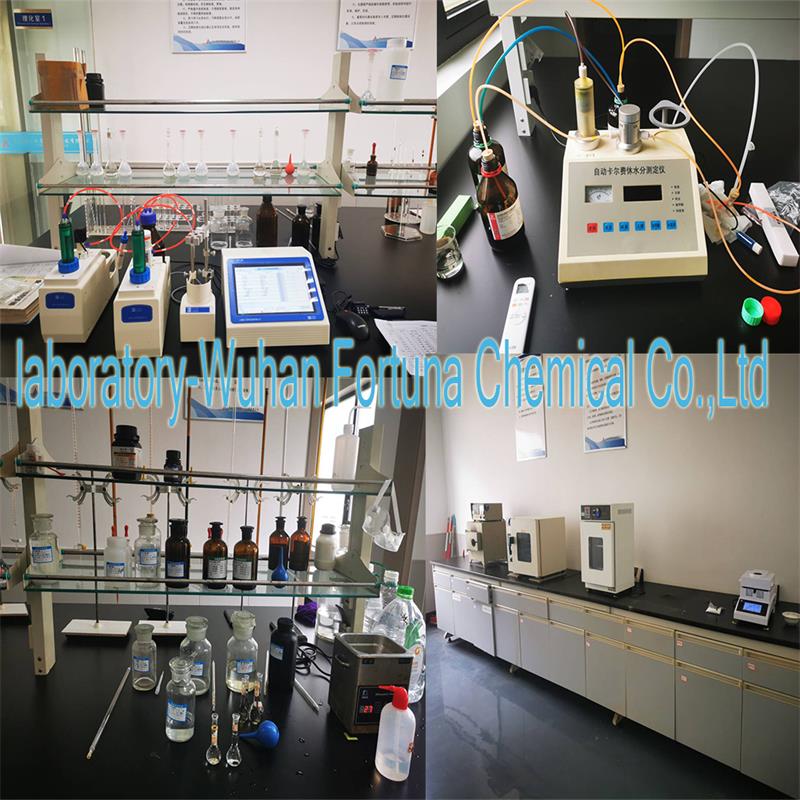
| Items | Specifications | Results |
| Appearance | Colorless or slightly yellow oily liquid | Conforms |
| Ester content | ≥98.0% | 99.23% |
| Acid value | ≤ 0.5mgKOH/g | 0.28mgKOH/g |
| Saponification value | 225~235mgKOH/g | 231mgKOH/g |
| Product parameters | |
| Cas number: | 10233-13-3 |
| Appearance: | Colorless or slightly yellow oily liquid |
| Purity: | 98%min |
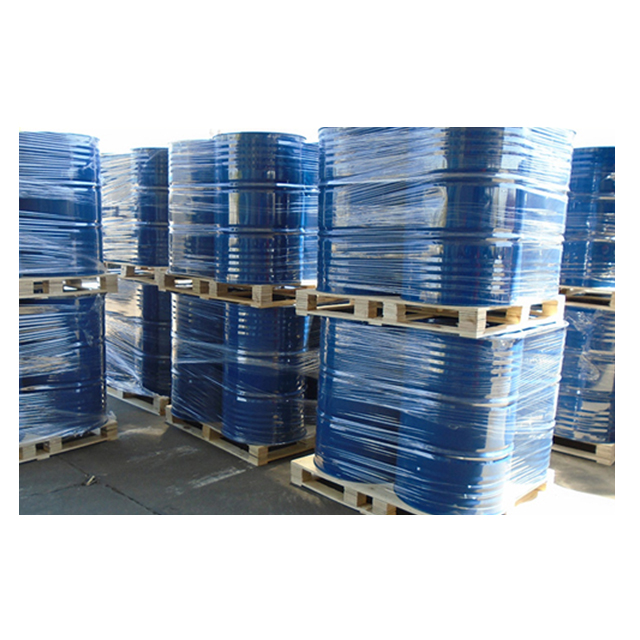
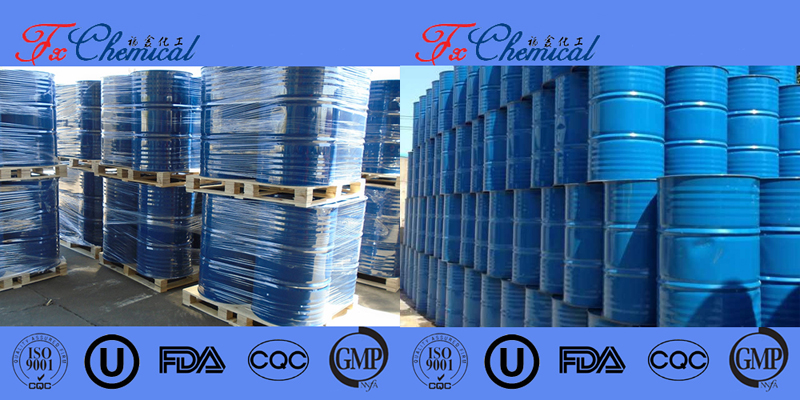
| Package details: | 175kg/drum |
| Brand: | Fortunachem |
Isopropyl Laurate is a synthetic ester, which means it is created through a chemical reaction between two components:
Isopropyl Alcohol (a common alcohol)
Lauric Acid (a fatty acid derived from coconut oil or palm kernel oil)
The result is a clear, lightweight, and oil-soluble liquid that is widely used as an emollient and solvent in cosmetics and personal care products.
In simple terms, it's a man-made oil designed to have specific, desirable properties for use on the skin.
Feel: Notoriously light and non-greasy. This is its most valued characteristic, setting it apart from heavier oils.
Spreading Ability: Excellent spreadability, allowing products to be distributed evenly over the skin without a heavy residue.
Solubility: It is oil-soluble and can help blend other ingredients together.
Comedogenicity: It is generally considered to have a low comedogenic rating, meaning it is unlikely to clog pores for most people, making it suitable for many skin types, including oily and acne-prone skin.
Its primary use is in the cosmetic and personal care industry. You will find it in a vast array of products, including:
1. Skin Care Products:
Moisturizers & Lotions: As an emollient, it helps to soften and smooth the skin by forming a protective barrier that reduces water loss.
Sunscreens: Its light texture and excellent spreading ability make it an ideal ingredient to help distribute UV filters evenly without a heavy, greasy feel.
Makeup Removers: It effectively dissolves oil-based makeup (like foundation and waterproof mascara) without stripping the skin.
Serums and Face Oils: Used to create lightweight, fast-absorbing formulations.
2. Hair Care Products:
Hair Serums and Shine Sprays: It adds shine and reduces frizz without weighing hair down.
Conditioners: Helps to smooth the hair cuticle.
3. Color Cosmetics:
Lipsticks, Lip Glosses, and Foundations: Imparts a smooth, non-sticky application and improves texture.
4. Other Applications:
As a carrier oil for fragrances and solvents.
As a plasticizer in some nail polishes to prevent them from becoming brittle.
Emollient: Its primary role. It fills the gaps between skin cells that are missing lipids, creating a smooth, soft surface.
Solvent: It can dissolve other oil-soluble ingredients, ensuring a uniform mixture in the product.
Texture Enhancer: It significantly improves the "feel" of a product, reducing greasiness and promoting rapid absorption.
Carrier: Helps deliver other active ingredients into the skin.
Is Isopropyl Laurate Safe?
Regulatory Status: It is approved for use in cosmetics by regulatory bodies worldwide, including the FDA (in the US) and the European Commission's Scientific Committee on Consumer Safety (SCCS).
Safety Assessments: Expert panels have reviewed the safety data and concluded that Isopropyl Laurate is safe for use in cosmetic products in concentrations up to a certain limit (typically noted as safe up to ~20%, though it's often used at lower levels).
Skin Irritation: It is generally considered non-irritating and safe for topical use. However, as with any ingredient, individual allergies or sensitivities can occur, though they are rare.
Comedogenicity (Pore-Clogging):
While it has a low comedogenic rating, no ingredient is a "zero" for everyone. Its lightweight nature makes it a much better choice for acne-prone skin than heavier oils like coconut oil (which is high in lauric acid in its pure form). However, if you have highly reactive or very acne-prone skin, it's always wise to patch-test a product containing it.
| Aspect | Description |
|---|---|
| What it is | A synthetic ester made from Isopropyl Alcohol and Lauric Acid. |
| Primary Function | A lightweight emollient and solvent. |
| Key Characteristic | Non-greasy, silky feel and excellent spreadability. |
| Common In | Lightweight lotions, sunscreens, makeup removers, serums, hair care products. |
| Skin Type Suitability | Excellent for most skin types, especially oily and combination skin due to its light texture. |
| Safety | Generally recognized as safe for topical use in cosmetics. Low irritation potential and low comedogenicity. |
Key Takeaway: Isopropyl Laurate is a workhorse ingredient in modern cosmetics, prized for its ability to provide softness and hydration without the heavy, greasy feel of many natural oils.
Used for the preparation of ointments and creams.

Fortunachem Provides Not Only Professional Chemical Products But Also Professional Help
Keeping you up-to-date with all the latest information, news, and events about Fortunachem!


Quick Links
Add:
E-mail:
 中文
中文