 English
  Español
  français
  العربية
 Search
Search
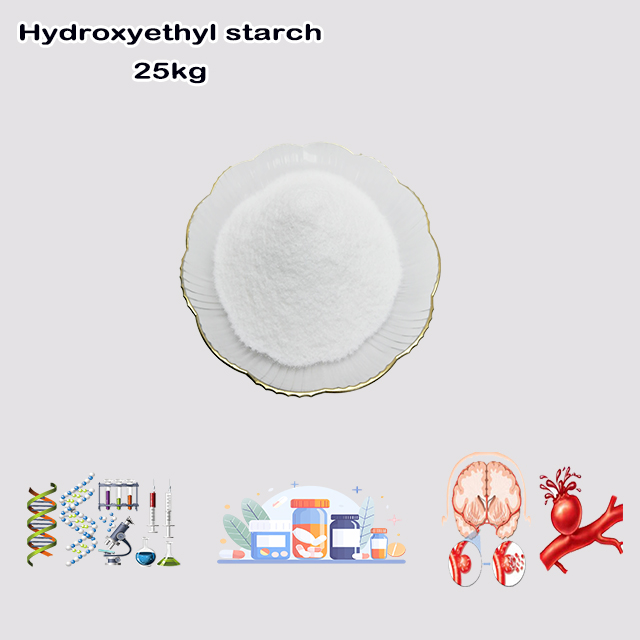
Hydroxyethyl starch is a volume expander used to treat shock or bleeding caused by heavy bleeding, burns, or other trauma. Hydroxyethyl starch is commonly used as volume therapy, intravenous administration, can rapidly increase blood volume, often used to treat shock or hemorrhage caused by heavy bleeding, burns or other trauma, can prevent organ failure caused by circulatory disorders caused by reflux blood volume, decreased blood flow and oxygen supply.
| Items | Specifications | Results |
| Appearance | White to almost white powder | Almost white powder |
| Average molecular weight | 110500~149500 Da | 134850 |
| Molecular weight (10%) | Max.390000 Da | 323250 |
| Molecular weight (10%) | Min.15000 Da | 21005 |
| Absorbance | Max.0.025 at 400nm | 0.014 |
| C2/C6 ratio | 8~9.6:1 | 9.0:1 |
| Molar substitution | 0.37~0.43 | 0.39 |
| Loss on drying | Max.15.0%(m/m) | 3.6% |
| Assay | 98.0~101.5% | 100.2% |
| Product parameters | |
| Cas number: | 9005-27-0 |
| Appearance: | White to almost white powder |
| Purity: | 98~101.5% |
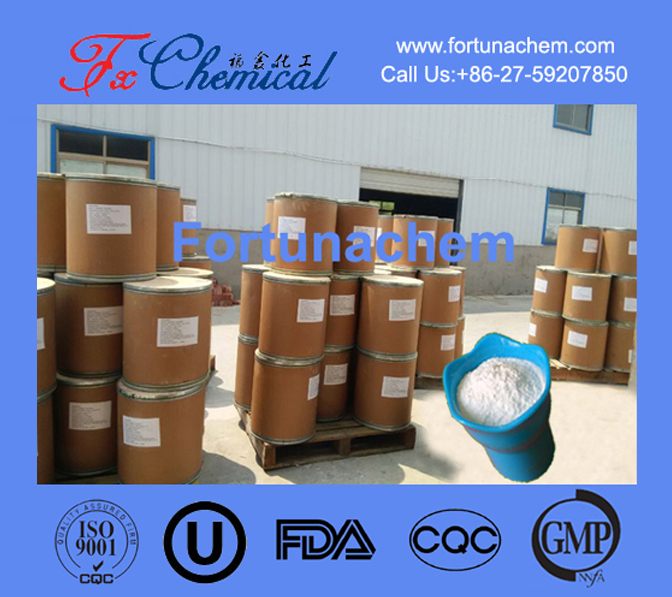
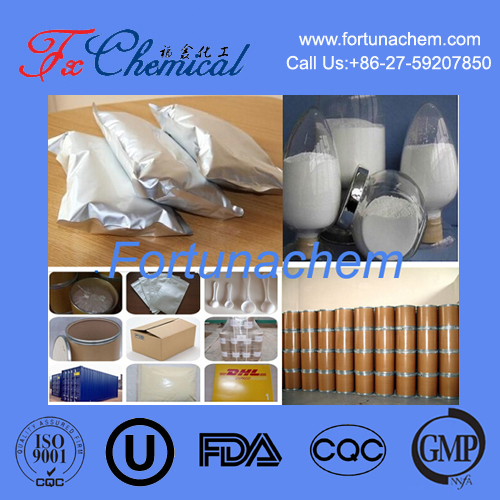
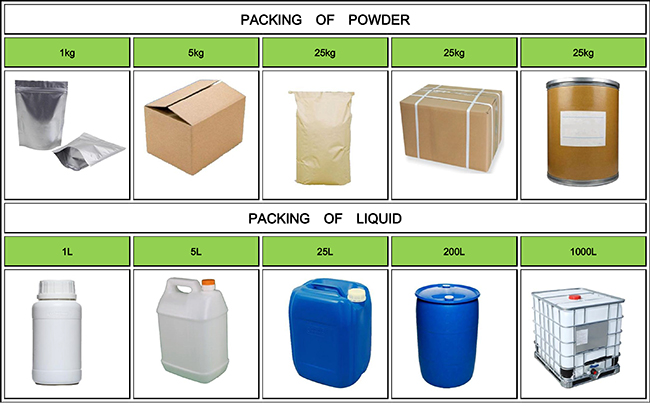
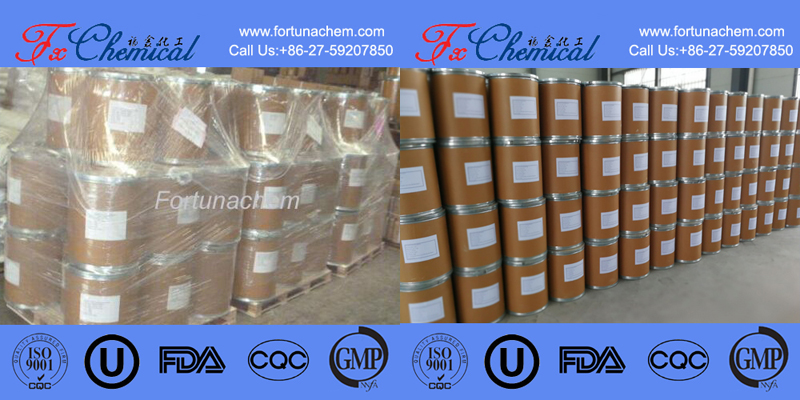
| Package details: | 25kg/drum |
| Brand: | Fortunachem |
Hydroxyethyl starch (HES) is a semisynthetic, branched polysaccharide derived from waxy maize or potato starch. It is created by hydroxyethylation—chemically attaching hydroxyethyl groups (-CH₂CH₂OH) to the glucose units of the starch backbone (primarily at the C2, C3, and C6 positions). This modification makes it more soluble in water and resistant to rapid enzymatic breakdown (by serum α-amylase) compared to natural starch.
Its key chemical properties include:
Molecular weight (MW): Ranges widely (e.g., 70 kDa to 450 kDa).
Molar Substitution (MS): The average number of hydroxyethyl groups per glucose unit (typically 0.4 to 0.7). A higher MS increases solubility and plasma half-life.
Degree of Substitution (DS): Similar to MS, but refers specifically to the fraction of glucose units substituted.
C2/C6 Ratio: The pattern of substitution affects its degradation profile.
HES has applications in two broad fields: Clinical Medicine and Chemical/Industrial Research & Technology.
This is the most well-known and historically significant application, though its use has become highly restricted in recent years due to safety concerns.
Mechanism: When administered intravenously, HES molecules are too large to leak through healthy blood vessel walls. They create colloidal osmotic pressure, drawing water from the interstitial space into the bloodstream.
Historical Indications:
Hypovolemia: To rapidly increase blood volume in cases of severe bleeding, surgery, or trauma.
Sepsis/Septic Shock: To support blood pressure and organ perfusion.
Current Status & Controversy: Major regulatory agencies (EMA, FDA) have severely restricted or contraindicated HES use in critically ill patients due to evidence of:
Kidney Injury: Increased risk of acute kidney injury, especially in sepsis.
Bleeding Risk: Can impair coagulation by affecting von Willebrand factor and platelet function.
Pruritus: Severe, long-lasting itching due to starch storage in skin.
Increased Mortality Risk in some patient groups.
As of today, its medical use is largely limited to specific, controlled situations (e.g., certain surgical settings) where the benefits are judged to outweigh the significant risks, and it is generally avoided in critically ill, septic, or kidney-impaired patients.
In chemistry and materials science, HES is valued as a biocompatible, modifiable, and water-soluble polymer. Its uses include:
Viscosity Modification & Rheology Control:
Used as a thickener, stabilizer, and rheology modifier in water-based formulations.
Applications in paints, coatings, adhesives, and construction materials (e.g., cement additives).
Colloidal Stabilizer & Protective Colloid:
Prevents aggregation and settling of particles in suspensions.
Used in the preparation of latexes, pigments, and ceramic slurries.
Biomedical Research & Biotechnology:
Cryoprotectant: Helps protect cells and tissues during freezing and thawing by stabilizing cell membranes and reducing ice crystal formation.
Cell Culture & Separation Media: Used in solutions for density gradient centrifugation (e.g., leukapheresis) to separate different cell types based on size and density.
Drug Delivery & Nanotechnology: As a biocompatible carrier or scaffold for creating nanoparticles, hydrogels, and micelles for controlled drug release. Its surface can be easily functionalized to attach drugs or targeting ligands.
Tissue Engineering: As a component of hydrogels for 3D cell scaffolding due to its biocompatibility and tunable physical properties.
Analytical Chemistry & Separation Science:
Electrokinetic Applications: Used as a dynamic coating or sieving matrix in capillary electrophoresis (CE) to separate proteins, DNA, and other large biomolecules based on size.
Chromatography: Can be used as a stationary phase modifier or in size-exclusion chromatography.
Enzyme Stabilization:
Can immobilize or co-dissolve with enzymes, enhancing their stability and shelf-life in aqueous solutions.
| Field | Primary Use | Key Mechanism/Role |
|---|---|---|
| Medicine | Plasma Volume Expander (Restricted) | Colloidal osmotic pressure to increase blood volume. |
| Chemistry/Industry | Viscosity Modifier | Thickener for paints, coatings, adhesives. |
| Colloidal Stabilizer | Prevents particle aggregation in suspensions. | |
| Biomaterial/Drug Delivery | Biocompatible carrier for nanoparticles & hydrogels. | |
| Separation Medium | Matrix for cell separation & capillary electrophoresis. | |
| Cryoprotectant | Protects cells during freeze-thaw cycles. |
While hydroxyethyl starch is chemically a versatile, water-soluble polymer with valuable applications in material science, biotechnology, and analytical chemistry, its historical medical use as a plasma expander is now overshadowed by significant safety concerns. In the chemical context, it is prized for its biodegradability, biocompatibility, and tunable physical properties, making it a useful tool in green chemistry and biomedical engineering.
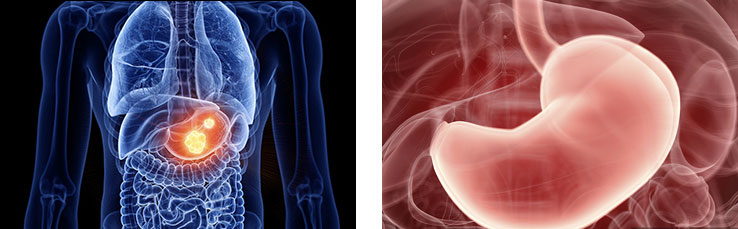
Blood volume expander.
Rehydration used for blood loss of various operations, trauma, toxic shock, etc.

Fortunachem Provides Not Only Professional Chemical Products But Also Professional Help
Keeping you up-to-date with all the latest information, news, and events about Fortunachem!



Quick Links
Add:
E-mail:
 中文
中文