 English
  Español
  français
  العربية
 Search
Search
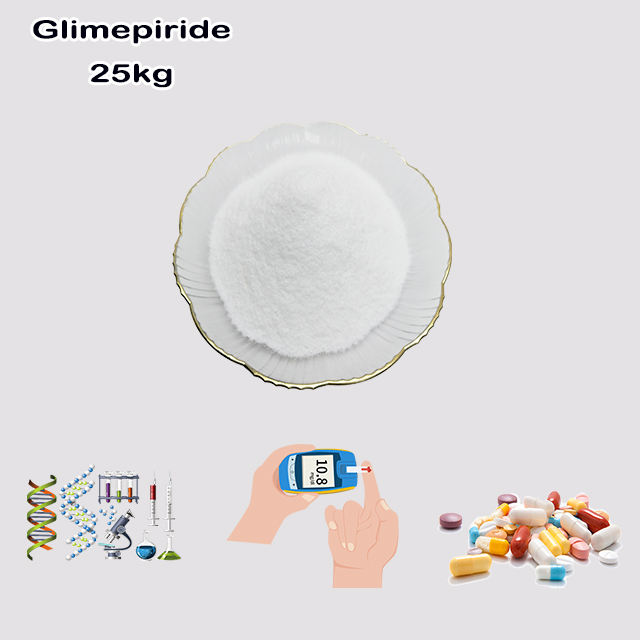
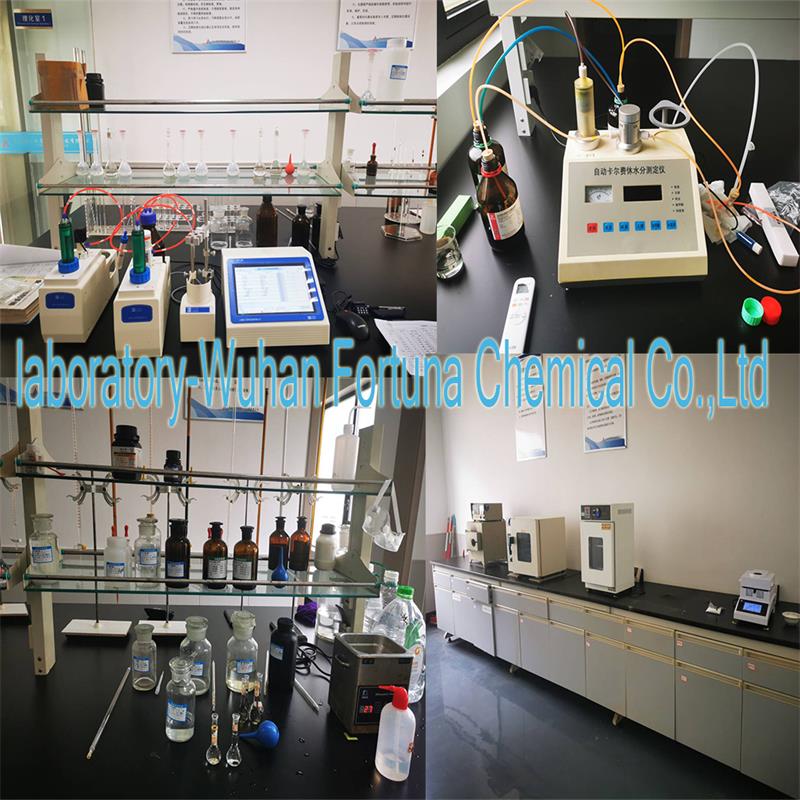
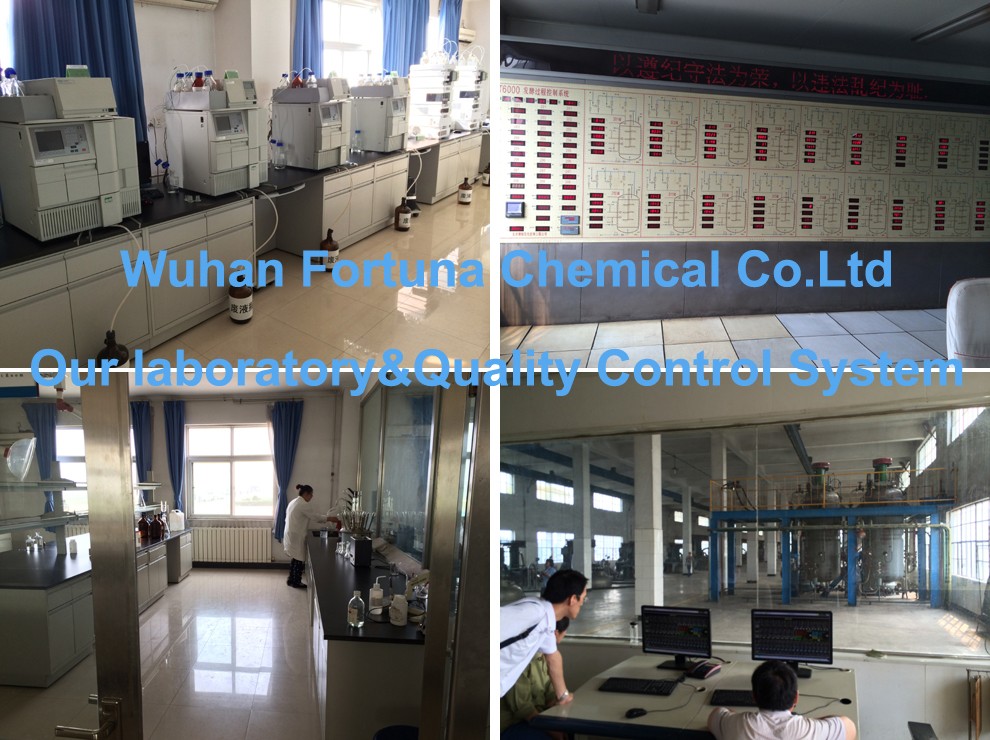
Glimepiride is indicated for type 2 diabetes mellitus where diet control, exercise therapy, and weight loss are not satisfactorily controlled by blood sugar. Glimepiride is a third-generation sulfonylurea long-acting antidiabetic drug, and the main mechanism of its hypoglycemic effect is to stimulate the secretion of insulin by the cells β islets of the pancreatic islets, and partially improve the sensitivity of surrounding tissues to insulin.
| Items | Specification | Result |
Assay | ≥99.5% | 99.8% |
Appearance | White to off-white crystalline powder | White crystalline powder |
| Melting point | 203-209℃ | 203.3-204.8℃ |
| Heavy metals | ≤10ppm | <10ppm |
| Loss on drying | ≤0.5% | 0.07% |
| Residue on ignition | ≤0.1% | 0.07% |
| Product parameters | |
| Cas number: | 93479-97-1 |
| Appearance: | White to off-white crystalline powder |
| Purity: | 99.5%min |
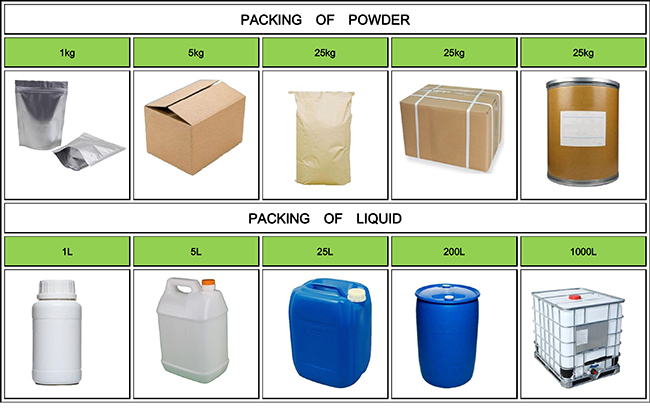
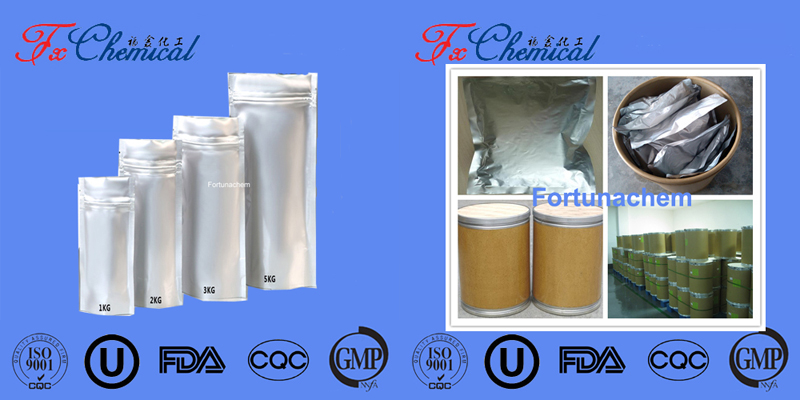
| Package details: | 1kg/bag with foil bag;25kg/drum |
| Brand: | Fortunachem |
Glimepiride is a synthetic, orally administered sulfonylurea drug. Chemically, it is a second-generation sulfonylurea, distinguished from earlier drugs in this class by its modified chemical structure, which gives it a longer duration of action and potentially improved safety profile.
Chemical Name: 1-[4-[2-(3-Ethyl-4-methyl-2-oxo-3-pyrroline-1-carboxamido)ethyl]phenyl]sulfonyl]-3-(trans-4-methylcyclohexyl)urea
Molecular Formula: C₂₄H₃₄N₄O₅S
Key Chemical Feature: Its structure contains a sulfonylurea bridge (-SO₂NHCONH-), which is essential for its activity. The attached lipophilic (fat-soluble) side groups (like the *p*-methylcyclohexyl moiety) are responsible for its high potency and prolonged effect.
Glimepiride is used as an adjunct to diet and exercise to improve blood sugar control in adults with Type 2 Diabetes Mellitus. It is not used for Type 1 diabetes or diabetic ketoacidosis.
Its core therapeutic goal is to lower elevated blood glucose levels.
Glimepiride's action is precise and receptor-mediated. Here’s how it works at the cellular and chemical level:
Step 1: Binding to the Pancreatic Beta-Cell
Glimepiride binds with high affinity to specific sulfonylurea receptors (SUR1) on the surface of pancreatic beta-cells. These receptors are part of the ATP-sensitive potassium (K⁺/ATP) channels.
Step 2: Closing Potassium Channels
In a hyperglycemic state, intracellular ATP levels rise in the beta-cell. Glimepiride binding potentiates the closure of the K⁺/ATP channels. This prevents potassium ions from leaving the cell.
Step 3: Cell Depolarization and Calcium Influx
The buildup of potassium ions inside the cell causes depolarization (a change in the electrical potential across the cell membrane). This depolarization opens voltage-dependent calcium (Ca²⁺) channels.
Step 4: Insulin Exocytosis
The influx of calcium ions acts as a potent intracellular signal, triggering the exocytosis of insulin-containing secretory granules. Glimepiride thus stimulates the pancreas to release more insulin.
Additional (Extrapancreatic) Effects:
Beyond insulin secretion, glimepiride is believed to have mild secondary effects:
Increased Peripheral Glucose Uptake: It may improve the sensitivity of muscle and fat cells to insulin.
Decreased Hepatic Glucose Production: It may reduce the liver's output of glucose.
Absorption: Completely absorbed from the GI tract. Food has a minimal effect on absorption but may slightly slow it down.
Metabolism: Primarily metabolized in the liver by the Cytochrome P450 2C9 (CYP2C9) enzyme. Its metabolites have only weak hypoglycemic activity.
Elimination: Excreted in both urine (≈60%) and feces (≈40%).
Half-life: Approximately 5–8 hours, but its blood-glucose-lowering effect lasts for about 24 hours, allowing for once-daily dosing.
Hypoglycemia: The most common and serious side effect. Risk is increased with skipped meals, excessive exercise, alcohol intake, or other glucose-lowering drugs.
Drug Interactions (Chemical/Pharmacokinetic):
Drugs that Increase Hypoglycemia Risk: Other antidiabetics, CYP2C9 inhibitors (e.g., fluconazole, amiodarone), beta-blockers, salicylates (e.g., aspirin), sulfonamide antibiotics.
Drugs that Decrease Efficacy (cause hyperglycemia): Thiazides, corticosteroids, thyroid products, CYP2C9 inducers (e.g., rifampin), estrogens, phenytoin.
Contraindications: Hypersensitivity to sulfonylureas or sulfonamides, diabetic ketoacidosis, severe renal or hepatic impairment.
| Aspect | Description |
|---|---|
| Chemical Class | Second-generation sulfonylurea hypoglycemic agent. |
| Primary Use | Control of hyperglycemia in Type 2 Diabetes. |
| Mechanism | Insulin secretagogue. Binds to SUR1 receptors on pancreatic beta-cells, closes K⁺/ATP channels, leading to calcium influx and insulin release. |
| Key Feature | Promotes endogenous insulin secretion; requires some residual pancreatic beta-cell function. |
Disclaimer: This information is for educational purposes. Glimepiride is a prescription medication, and its use must be managed by a healthcare professional to balance efficacy with the risk of hypoglycemia and other side effects.
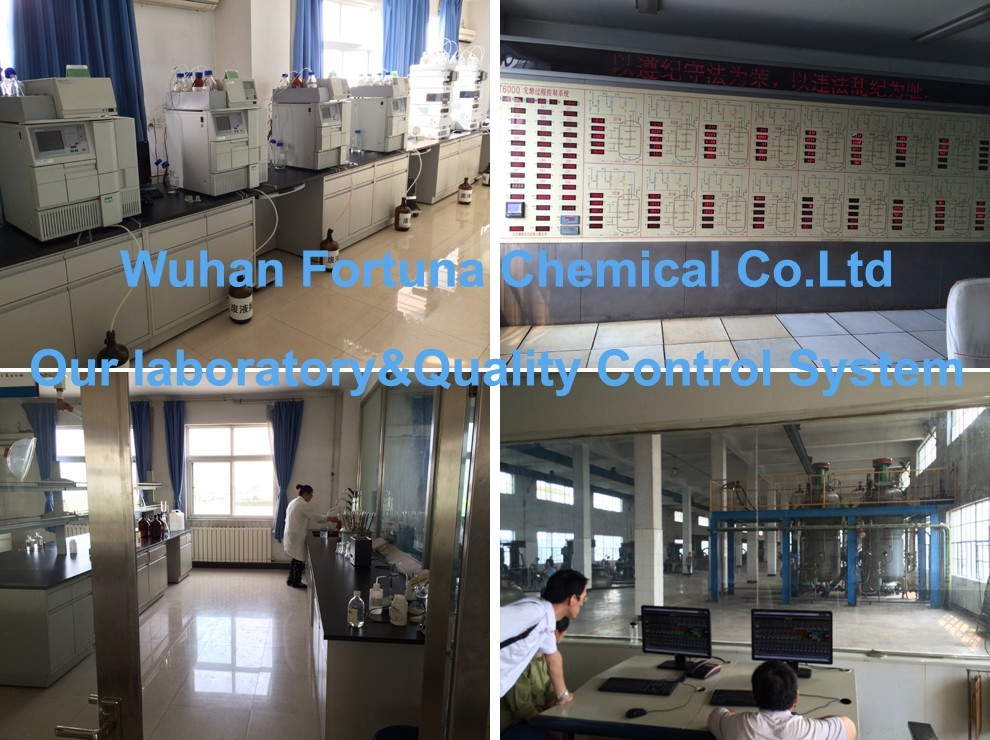
Guaranteed the purity
High quality & competitive price
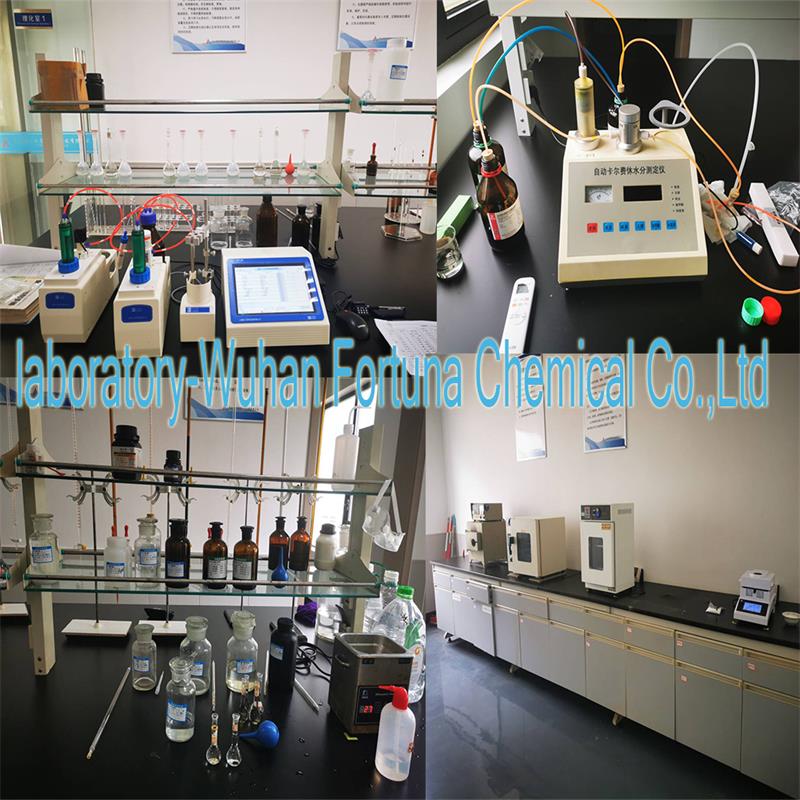
Quality control
Fast feedback
Prompt shipment

Fortunachem Provides Not Only Professional Chemical Products But Also Professional Help
Keeping you up-to-date with all the latest information, news, and events about Fortunachem!


Quick Links
Add:
E-mail:
 中文
中文