 English
  Español
  français
  العربية
 Search
Search
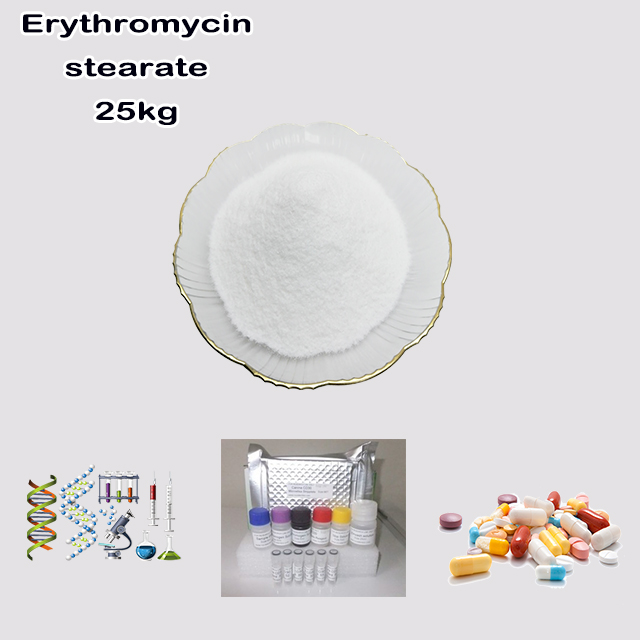




Erythromycin stearate is an oral antibiotic, a salt formulation of erythromycin that improves its stability. It belongs to the macrolide class.
Primary Uses: It treats various bacterial infections, including:
Respiratory: Strep throat, bronchitis, pneumonia.
Skin: Acne, impetigo, cellulitis.
Other: Certain sexually transmitted infections (like chlamydia), and intestinal infections.
It is commonly prescribed as a key alternative for patients allergic to penicillin.
Important Notes: It works by inhibiting bacterial protein synthesis. It should be taken on an empty stomach. Common side effects are gastrointestinal (nausea, diarrhea). Crucially, it has significant drug interactions (e.g., with statins, blood thinners) and can affect heart rhythm, requiring medical supervision.
Erythromycin Stearate: Overview
Erythromycin stearate is a salt form of erythromycin, a macrolide antibiotic. It is created by combining erythromycin (the active antibacterial component) with stearic acid. This formulation is designed to improve the stability and oral absorption of the drug, though it requires an acidic environment in the stomach for proper absorption.
Essentially, it's one of several oral formulations of erythromycin (others include ethylsuccinate and base) and works in the same way, but with slight differences in how the body processes it.
Erythromycin stearate is used to treat a wide variety of bacterial infections caused by susceptible organisms. Its uses are similar to those of other erythromycin formulations and include:
Respiratory Tract Infections:
Strep throat (caused by Streptococcus pyogenes)
Sinusitis
Acute and chronic bronchitis
Community-acquired pneumonia (especially atypical pneumonia caused by Mycoplasma pneumoniae or Legionella)
Pertussis (whooping cough)
Skin and Soft Tissue Infections:
Mild to moderate acne (often used long-term at lower doses)
Impetigo
Cellulitis, abscesses
Wound infections
Sexually Transmitted Infections (STIs):
Syphilis
Chlamydia
Chancroid
As an alternative for patients allergic to penicillin:
Other Infections:
Diphtheria (as an adjunct to antitoxin)
Intestinal amebiasis (caused by Entamoeba histolytica)
Prophylaxis (prevention) of rheumatic fever in penicillin-allergic patients
Pre-surgical bowel decontamination
How it works: Like all erythromycins, it is bacteriostatic (stops bacteria from growing). It does this by binding to the bacterial ribosome, inhibiting protein synthesis.
Administration: It is taken orally, typically on an empty stomach (1 hour before or 2 hours after meals) for maximum absorption, as food can interfere.
Key Advantage: It is a first-line alternative for patients with penicillin or amoxicillin allergies, especially for strep throat, sinus infections, and skin infections.
Allergy: Should not be used in patients with a known allergy to erythromycin or other macrolide antibiotics (e.g., azithromycin, clarithromycin).
Common Side Effects:
Gastrointestinal issues are very common: Nausea, vomiting, diarrhea, abdominal pain, cramping. This is due to its stimulatory effect on gut motility.
Loss of appetite.
Serious Side Effects (less common):
QT Prolongation: Can cause an irregular heart rhythm, especially in those with existing heart conditions or on certain other medications.
Liver Toxicity: May cause cholestatic hepatitis (symptoms: jaundice, dark urine, abdominal pain).
Clostridioides difficile-associated diarrhea: Can lead to severe, life-threatening colitis.
Drug Interactions:
Statins (e.g., simvastatin, atorvastatin) - risk of severe muscle damage (rhabdomyolysis).
Blood thinners (e.g., warfarin).
Some anti-arrhythmic drugs (e.g., amiodarone, sotalol).
Ergot alkaloids (for migraines).
Theophylline (for asthma).
Cyclosporine (immunosuppressant).
Crucially, erythromycin inhibits liver enzymes (CYP3A4) that metabolize many other drugs. This can lead to dangerously high levels of medications like:
Erythromycin stearate is an oral antibiotic formulation used to treat a broad spectrum of bacterial infections, particularly as an alternative for penicillin-allergic patients. Its use has declined somewhat due to common GI side effects and the availability of newer macrolides (like azithromycin), but it remains an important and cost-effective antibiotic option. It must be used under medical supervision due to its significant drug interaction potential and specific dosing requirements.
Disclaimer: This information is for educational purposes only. Always consult a doctor or pharmacist for medical advice, diagnosis, and treatment.




Fortunachem Provides Not Only Professional Chemical Products But Also Professional Help
Keeping you up-to-date with all the latest information, news, and events about Fortunachem!



Quick Links
Add:
E-mail:
 中文
中文