 English
  Español
  français
  العربية
 Search
Search
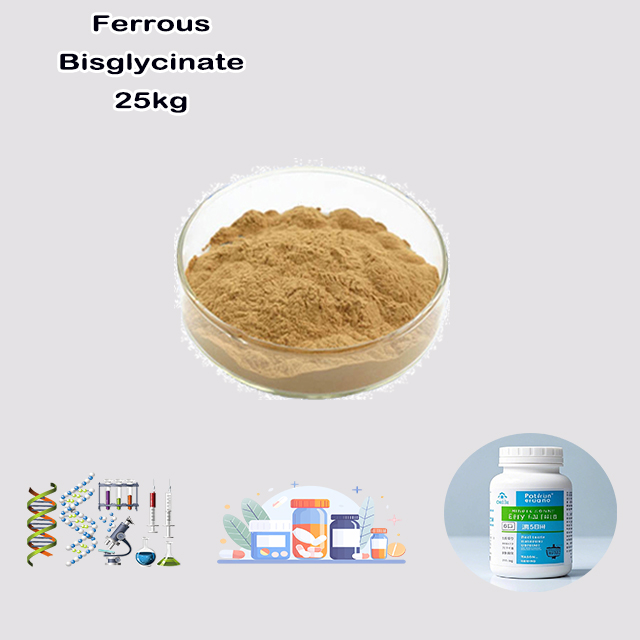
Ferrous Bisglycinate is a chelated form of iron where an iron ion (Fe²⁺) is bound to two molecules of the amino acid glycine. This creates a stable, ring-like structure.
Nutritional Supplement: Its primary use is as a highly bioavailable and well-tolerated iron supplement. The chelation protects the iron from reacting with other compounds in the gut (like phytates) that normally inhibit absorption. It is especially useful for treating iron-deficiency anemia with minimal gastrointestinal side effects (like constipation or nausea) common with other iron salts (e.g., ferrous sulfate).
Enhanced Stability: The glycine ligands make the iron less prone to oxidation (from Fe²⁺ to Fe³⁺) and to undesirable precipitations in various pH conditions compared to inorganic iron salts. This stability is valuable in both supplement formulations and fortified foods.
Food Fortification: Its stability and neutral taste allow it to be used to fortify sensitive food products (like milk alternatives, cereals, and beverages) without causing color changes, metallic taste, or catalyzing fat oxidation.
Chemical Advantage: In essence, the chelation transforms iron into a biologically friendly "package" that optimizes its delivery for absorption in the human duodenum, making it a functionally superior form for human nutrition compared to simpler inorganic salts.
Ferrous bisglycinate (also known as iron bisglycinate or ferrous glycinate) is a chelated form of iron in which an iron (Fe²⁺) ion is bound to two molecules of the amino acid glycine. This chelation significantly improves iron absorption and reduces gastrointestinal side effects compared to other iron supplements like ferrous sulfate.
Enhanced Absorption: The glycine ligand protects iron from inhibitors (like phytates and tannins) in the gut and utilizes amino acid transport pathways, leading to higher bioavailability (studies suggest 2–4 times better absorption than ferrous sulfate).
Gentle on the Stomach: Unlike non-chelated forms, it does not readily generate free iron ions that cause oxidative stress, nausea, constipation, or gastric upset.
Stable at Higher pH: Remains soluble and absorbable even in the less acidic environment of the small intestine, where absorption primarily occurs.
Minimal Interaction with Food: Can be taken with or without food, offering flexibility.
Iron Deficiency Anemia (IDA): First-line treatment to replenish iron stores and restore hemoglobin levels.
Preventive Supplementation: For at-risk groups (pregnant women, menstruating individuals, athletes, vegetarians/vegans) to prevent deficiency.
Pregnancy: Supports increased iron needs for fetal development and maternal blood volume expansion, with fewer side effects.
GI-Sensitive Individuals: Ideal for those intolerant to traditional iron salts.
Chronic Conditions: Used in anemia associated with chronic kidney disease, inflammatory bowel disease (IBD), or post-bariatric surgery.
Added to staple foods (cereals, flour, milk alternatives) without causing color/flavor changes or oxidation (unlike ferrous sulfate).
Used in livestock and pet feed to prevent iron deficiency efficiently.
While primarily a nutritional supplement, ferrous bisglycinate has niche chemical applications:
Catalysis: As a ligand-metal complex, it may serve as a mild catalyst in some organic synthesis or oxidation reactions.
Stabilizer: Can act as an antioxidant stabilizer in certain chemical or cosmetic formulations due to its chelated structure.
Research Tool: Used in studies of iron absorption mechanisms, chelation chemistry, and mineral metabolism.
Dosage: Typically lower elemental iron per dose than ferrous sulfate due to higher absorption.
Safety: Still toxic in overdose (risk of iron poisoning), especially in children.
Interactions: May still interact with certain medications (e.g., tetracycline antibiotics, levodopa, thyroid hormones), though less than other forms.
Regulation: Sold as a dietary supplement; quality varies—look for patented forms (e.g., Ferrochel®) tested for efficacy.
| Form | Bioavailability | GI Side Effects | Cost |
|---|---|---|---|
| Ferrous Bisglycinate | High (well-absorbed) | Minimal | Higher |
| Ferrous Sulfate | Moderate | Common (nausea, constipation) | Low |
| Ferrous Fumarate | Moderate to High | Moderate | Low |
| Iron Polysaccharide | Variable | Low | Moderate |
Ferrous bisglycinate is a highly bioavailable, well-tolerated iron supplement used primarily to treat and prevent iron deficiency. Its chelated structure makes it a superior choice for individuals needing effective iron repletion with minimal side effects. Beyond nutrition, it has limited but growing applications in food technology and biochemical research.
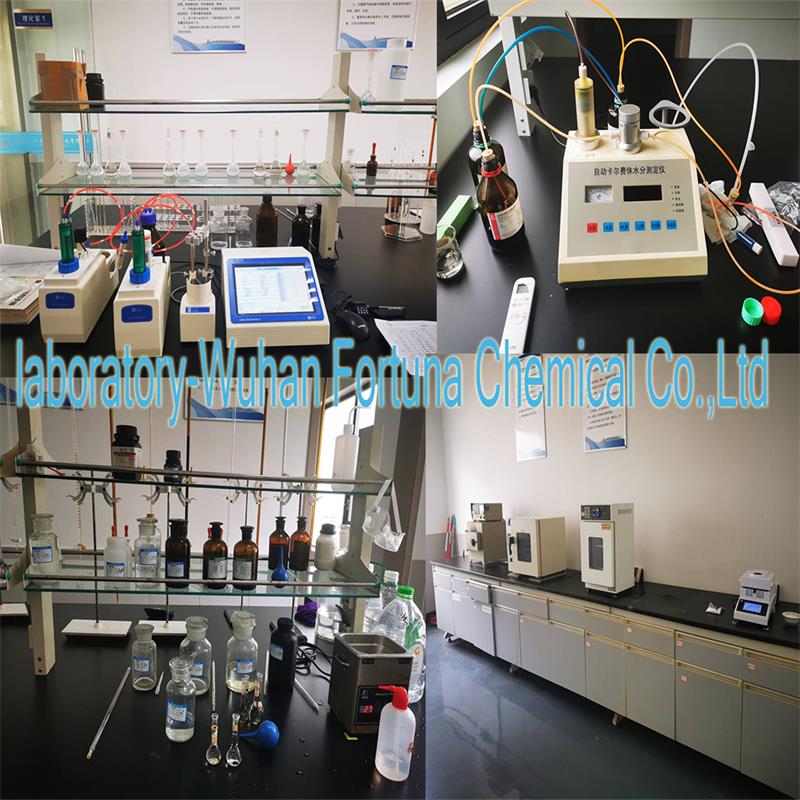
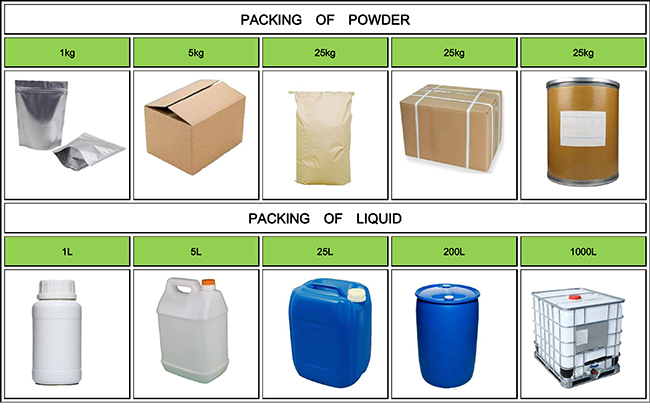

Fortunachem Provides Not Only Professional Chemical Products But Also Professional Help
Keeping you up-to-date with all the latest information, news, and events about Fortunachem!



Quick Links
Add:
E-mail:
 中文
中文