 English
  Español
  français
  العربية
 Search
Search
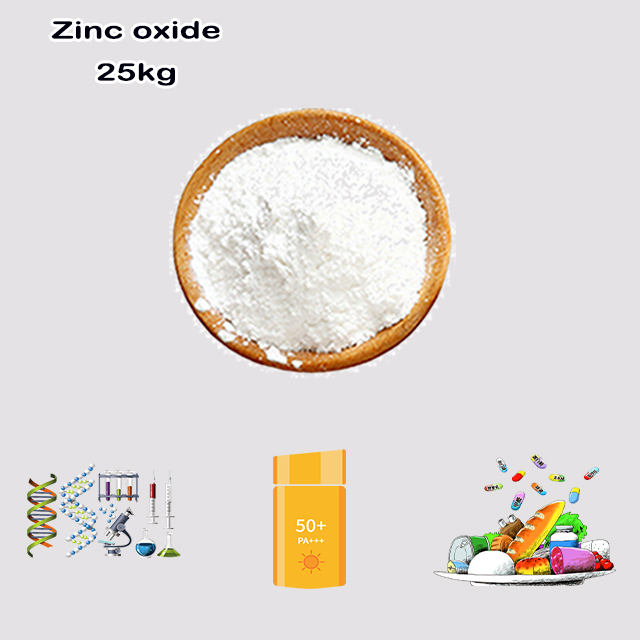
Zinc oxide is a nutritional supplement.Zinc oxide (ZnO) is a white, powdery inorganic compound. It's most valued for two key properties: acting as a physical barrier and absorbing ultraviolet light. This makes it the star ingredient in mineral sunscreens, where it protects skin from UVA/UVB rays without irritation. It’s also widely used in diaper rash creams and calamine lotions to soothe and protect skin. Beyond personal care, it’s essential in manufacturing rubber, paints, ceramics, and even electronics due to its versatile chemical and semiconductor properties. It's generally safe for topical use.
Items | Specifications | Results |
Appearance | A soft,white or faintly yellowish-white,amorphous powder | Confirm |
Identification | Positive reaction | Positive reaction |
Assay(% m/m) | 99.0~100.5% | 99.92% |
Alkalinity | Add 0.1ml of phenolphthalein solution to the mixture solution,filtered,add hydrochloric acid to change the red colour to the indicator. | Confirm |
Carbonates and substances Insoluble in acids % | 0.002 | |
PbO(tested in Pb)% | ≤0.0001 | 0.0001 |
Metal zinc(tested in Zn) % | None | None |
MnO(tested in Mn) % | ≤0.0001 | 0.0001 |
CuO(tested in Cu) % | ||
As % | ≤0.0005 | 0.0001 |
Cd % | ≤0.0001 | 0.0001 |
Loss on ignition % m/m | ≤0.2 | 0.06 |
Water dissoluble% | ≤0.1 | 0.08 |
105℃ volatile substances | ≤0.3 | 0.15 |
Conclusion | The product conforms to the above specifications. | |
| Product parameters | |
| Cas number: | 1314-13-2 |
| Appearance: | White or light yellow powder |
| Purity: | 95%min; 98%min |
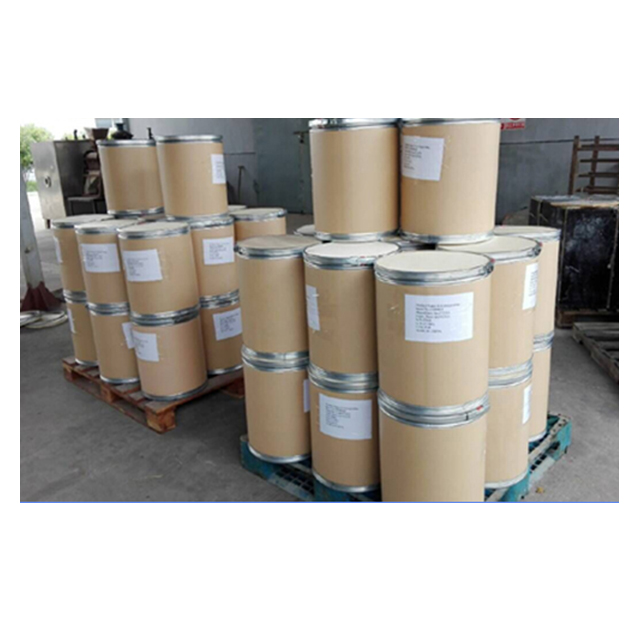
| Package details: | 25kg/Bag |
| Brand: | Fortunachem |
Zinc oxide (ZnO) is a versatile and incredibly useful inorganic compound. At its simplest, it's a white, powdery solid that is insoluble in water.
It's a chemical compound made up of zinc and oxygen. In nature, it occurs as the mineral zincite, but for commercial use, it's almost always produced synthetically. It has two key properties that make it so valuable:
Semiconductor: It has unique electrical and optical properties.
Broad-Spectrum UV Absorber: It effectively blocks both UVA and UVB rays.
Its usefulness spans from your bathroom shelf to high-tech industries. Here are the main applications:
This is where most people encounter it.
Physical Sunscreen: Zinc oxide is the key active ingredient in mineral (physical) sunscreens. It forms a protective barrier on the skin that reflects and scatters damaging UVA and UVB rays. It's known for being:
Broad-spectrum by nature.
Gentle and less irritating, making it ideal for sensitive skin, baby skin, and those with rosacea or eczema.
Non-comedogenic (won't clog pores) in its pure form.
Skin Healing & Soothing: It's a common ingredient in:
Diaper rash creams (like Desitin): Creates a barrier to protect skin from moisture and irritants, and has mild anti-inflammatory properties.
Calamine lotion: Often combined with iron oxide to soothe poison ivy, insect bites, and minor skin irritations.
Anti-dandruff shampoos: For its mild antimicrobial properties.
Topical Antibacterial/Odour Control: Used in powders and ointments (e.g., for athlete's foot) to keep skin dry and prevent bacterial growth.
Dental Cements: Used in temporary dental fillings and cements for its biocompatibility and strength.
Dietary Supplements: As a source of zinc, an essential mineral for immune function, wound healing, and enzyme reactions. (Note: In supplements, it's often in forms like zinc gluconate or citrate; zinc oxide is a less absorbed but common form).
Rubber Production: A crucial vulcanizing agent in the manufacturing of tires and other rubber products, improving durability and heat resistance.
Paints & Coatings: Used as a white pigment and for its mildew-resistant and UV-protective properties, helping paint last longer.
Ceramics & Glass: Acts as a flux to lower melting temperatures and adds opacity and gloss.
Semiconductors: Due to its piezoelectric and semiconductor properties, it's used in:
Sensors (gas, pressure)
Transistors
LEDs and lasers (especially in the blue/UV spectrum)
Transparent conductive coatings for touchscreens and solar cells.
Food Additive: In some countries, it's used as a source of zinc in fortified breakfast cereals (coded as E6a).
Animal Feed: Added to livestock feed to ensure proper zinc levels.
Pigments: In artists' paints and printing inks.
Zinc oxide is generally recognized as safe and non-totic for topical use (FDA-approved for sunscreens). Concerns have historically been about inhaling fine nanoparticles, primarily an occupational hazard for factory workers. Topical sunscreens using nanoparticle zinc oxide are extensively studied and considered safe, as they don't penetrate healthy, intact skin.
Zinc oxide is a multifunctional "wonder compound." Its most famous and everyday use is as a gentle, effective physical sunscreen and skin protectant, but its importance extends far beyond skincare into critical roles in industry, medicine, and advanced technology.
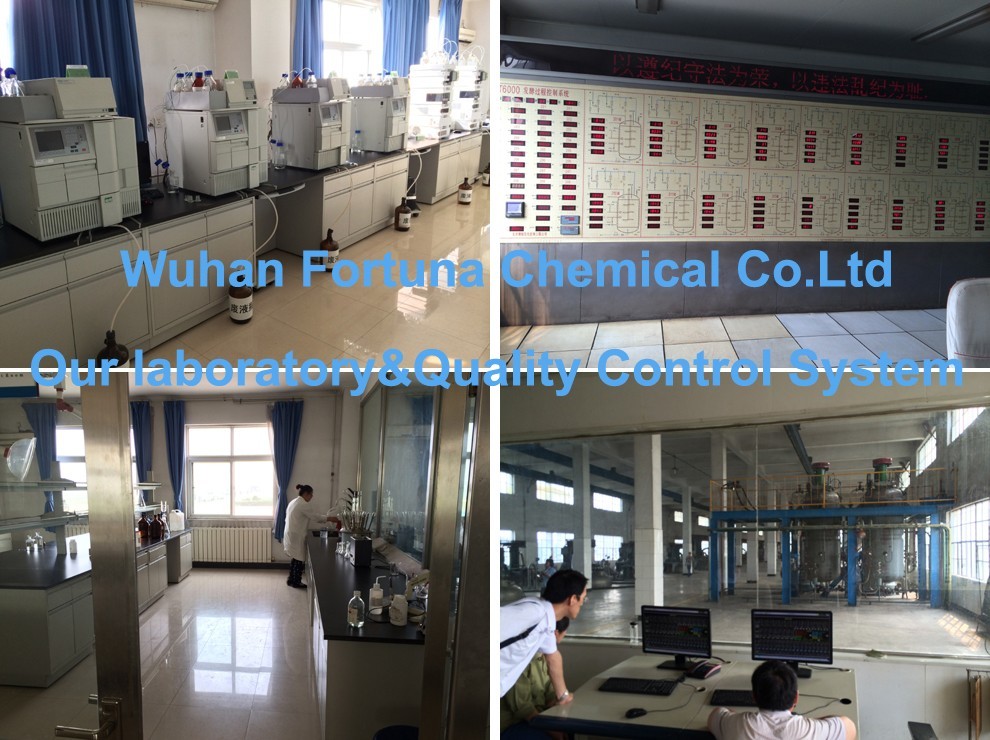
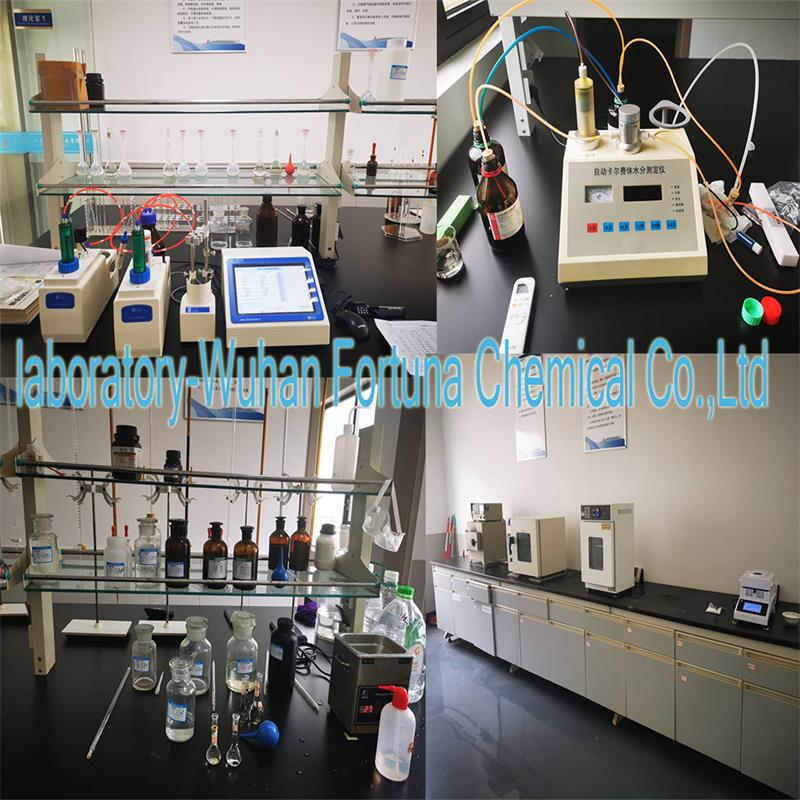



Fortunachem Provides Not Only Professional Chemical Products But Also Professional Help
Keeping you up-to-date with all the latest information, news, and events about Fortunachem!

Quick Links
Add:
E-mail: