 English
  Español
  français
  العربية
 Search
Search
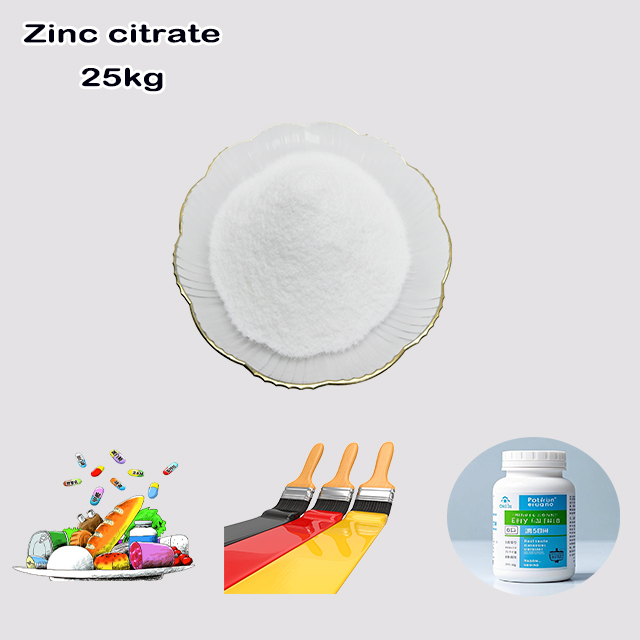

Zinc citrate is used as a food zinc fortification agent and has a better absorption effect than inorganic zinc. Zinc citrate is used to treat growth retardation, protein-energy malnutrition (malnutrition), anorexia, pica, etc. in children caused by zinc deficiency.
| Item | Specifications | Results |
| Appearance | White powder or granule | Conform |
| Loss on drying | ≤1.0% | Conform |
| Assay | ≥31.0% | 31.3% |
| Product parameters | |
| Cas number: | 546-46-3 |
| Appearance: | White powder or granule |
| Purity: | 31.0% min |
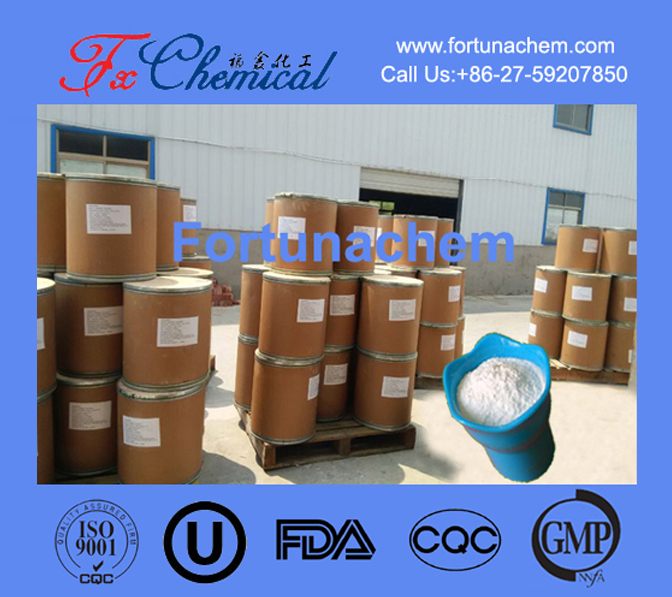
| Package details: | 25kg/bag, 25kg/drum |
| Brand: | Fortunachem |
Zinc Citrate is a chemical compound formed by combining zinc (an essential mineral) with citric acid. It is a common form of zinc used in dietary supplements and is particularly popular in oral healthcare products due to its compatibility with other ingredients.
Key Feature: It is a well-absorbed (high bioavailability) form of zinc.
Taste and Solubility: It is less bitter and more water-soluble than some other zinc forms (like zinc oxide), making it more palatable for lozenges and easier to incorporate into various products.
Zinc citrate's uses are broad, falling into two main categories: Dietary Supplements and Oral Care Products.
When used as a supplement, zinc citrate provides the same fundamental benefits as any bioavailable zinc source. Zinc is a critical mineral involved in over 300 enzymatic reactions in the body.
Immune System Support: This is one of the most well-known uses. Zinc is crucial for the normal development and function of immune cells. Taking zinc supplements, often in lozenge form, may help reduce the duration and severity of the common cold if started shortly after symptoms begin.
Wound Healing: Zinc plays a vital role in collagen synthesis, immune function, and inflammatory response, all of which are necessary for proper wound healing.
DNA Synthesis and Cell Growth: Zinc is essential for cell division and growth, making it particularly important during pregnancy, childhood, and adolescence.
Senses of Taste and Smell: Zinc is necessary for the proper function of these senses. Deficiency can lead to hypogeusia (impaired taste) and hyposmia (impaired smell).
Antioxidant Properties: Zinc acts as an antioxidant, helping to fight oxidative stress and protect cells from damage caused by free radicals.
This is a major and specialized application for zinc citrate.
Anti-Plaque and Anti-Gingivitis Agent: Zinc citrate helps prevent the buildup of dental plaque (a sticky film of bacteria).
Calculus (Tartar) Control: It inhibits the mineralization of plaque into calculus (tartar), which is a hard, cement-like substance that can only be removed by a dentist.
Anti-Halitosis (Bad Breath Control): Zinc ions have an anti-volatile sulfur compound (VSC) effect. They neutralize the smelly sulfur compounds produced by bacteria in the mouth, which are the primary cause of bad breath. This makes zinc citrate a key ingredient in many mouthwashes and toothpastes designed for long-lasting fresh breath.
Dietary Supplements: Found in multivitamins, standalone zinc capsules, tablets, and especially in cold lozenges.
Fortified Foods: Sometimes added to breakfast cereals and other foods.
Oral Care Products: A key active ingredient in many toothpastes and mouthwashes (e.g., brands like Colgate Total® often contain zinc citrate).
Recommended Dietary Allowance (RDA):
Adult Men: 11 mg per day
Adult Women: 8 mg per day
Requirements are higher for pregnant and breastfeeding women.
Tolerable Upper Intake Level (UL): The maximum daily intake unlikely to cause harm. For adults, it is 40 mg per day from supplements and fortified foods. Exceeding this can lead to adverse effects.
Side Effects of Excess Zinc (Toxicity):
Nausea, vomiting, loss of appetite
Stomach cramps and diarrhea
Headaches
Metallic taste in the mouth
Copper Deficiency: Long-term, high-dose zinc supplementation (significantly above the UL) can interfere with the absorption of copper, leading to copper deficiency, which can cause neurological problems and anemia.
Drug Interactions: Zinc can interact with certain medications, including some antibiotics (quinolones and tetracyclines) and penicillamine. It's generally advised to take zinc supplements several hours apart from these medications.
| Feature | Description |
|---|---|
| What it is | A zinc salt of citric acid; a highly bioavailable form of zinc. |
| Primary Uses | 1. Dietary Supplement: Immune support, wound healing, cell growth. 2. Oral Care: Fights plaque, tartar, and bad breath. |
| Common Forms | Capsules, tablets, lozenges, toothpaste, mouthwash. |
| Key Benefit in Oral Care | Neutralizes odor-causing sulfur compounds for long-lasting fresh breath. |
| Safety Note | Do not exceed the Tolerable Upper Intake Level (40 mg for adults) to avoid toxicity and copper deficiency. |
Disclaimer: This information is for educational purposes only and is not a substitute for professional medical or dental advice. Always consult with a healthcare provider before starting any new supplement to determine if it is appropriate for you.


Guaranteed the purity
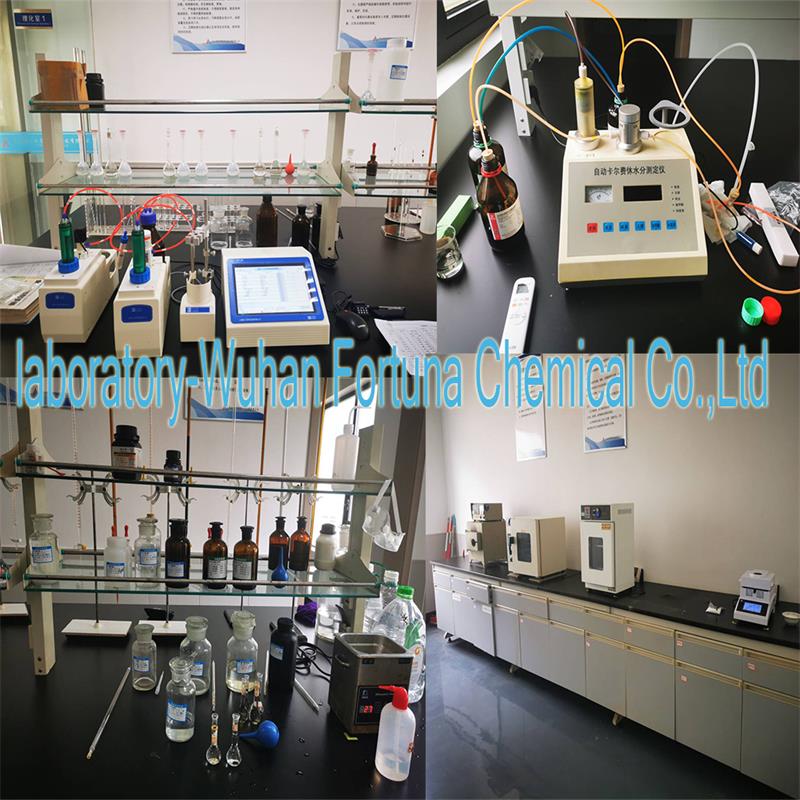
High quality & competitive price
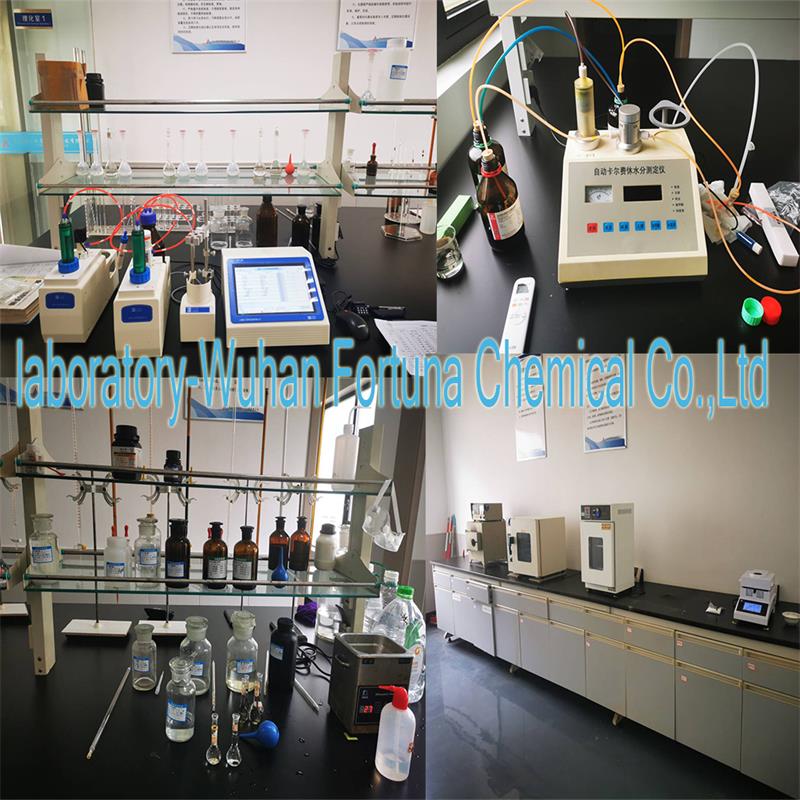
Quality control
Fast feedback
Prompt shipment


Fortunachem Provides Not Only Professional Chemical Products But Also Professional Help
Keeping you up-to-date with all the latest information, news, and events about Fortunachem!

Quick Links
Add:
E-mail: