 English
  Español
  français
  العربية
 Search
Search
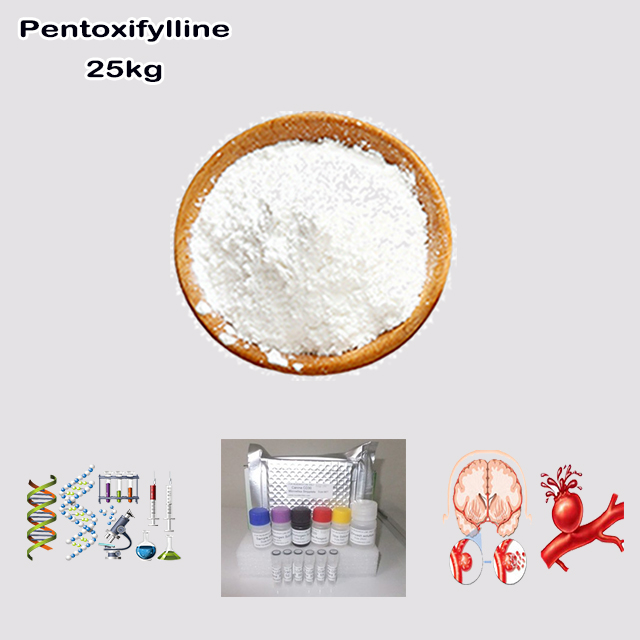



Pentoxifylline is a vasodilator that improves blood circulation in the brain and limbs.
Pentoxifylline is an orally active, non-selective phosphodiesterase (PDE) inhibitor with immunomodulating, anti-inflammatory, blood rheological improvement, antifibrinolytic, and antiproliferative effects. Pentoxifylline can be used to study peripheral vascular disease, cerebrovascular disease, and a number of other diseases involving local microcirculation defects.
Items | Specification | Result |
| Assay | 97%-103% | 99.3% |
| Apperance | White powder | Complies |
| Heavy metals | <10ppm | Complies |
| Ash | ≤0.1% | 0.05% |
| Melting point | 102-106℃ | 104-104.5℃ |
| Loss on drying | ≤0.5% | 0.1% |
| Product parameters | |
| Cas number: | 6493-05-6 |
| Appearance: | White powder |
| Purity: | 97%-103% |
| Package details: | 1kg/foil bag;25kg/drum |
| Brand: | Fortunachem |
Pentoxifylline is a prescription medication classified as a hemorheologic agent (a drug that improves blood flow). It is a synthetic derivative of theobromine (a compound found in chocolate and tea).
Chemical Class: A methylxanthine derivative.
How it Works: Its primary mechanism is to improve blood flow by making red blood cells more flexible, reducing blood viscosity (thickness), and decreasing the potential for platelet aggregation (clotting). It also has mild anti-inflammatory properties.
Brand Names: It is most commonly known under the brand name Trental®, though generic versions are widely available.
Pentoxifylline is FDA-approved for one specific condition, but it has several well-studied off-label uses.
1. Primary Approved Use:
Symptomatic Management of Peripheral Arterial Disease (PAD): Specifically for intermittent claudication. This is a condition where narrowed arteries reduce blood flow to the limbs (usually the legs), causing pain, cramping, or fatigue in the muscles during walking or exercise that goes away with rest.
Purpose: Pentoxifylline does not cure PAD or reverse artery blockage. Instead, it is used to improve symptoms and increase pain-free walking distance. It is typically prescribed when exercise and lifestyle changes alone are insufficient, and often before considering surgical interventions.
Due to its effects on blood flow and inflammation, pentoxifylline is used or studied for several other conditions:
1. Vascular & Ulcerative Conditions (Stronger Evidence):
Venous Leg Ulcers: Often used in combination with compression therapy to improve healing of ulcers caused by poor venous blood flow.
Diabetic Foot Ulcers: Sometimes used as adjunctive therapy to improve microcirculation and support wound healing.
2. Inflammatory/Fibrotic Conditions (Moderate Evidence):
Alcoholic Hepatitis: It has been used historically for its anti-inflammatory effects in severe cases, though its use has declined with newer therapies.
Certain Fibrotic Diseases: It has been investigated, sometimes in combination with other drugs like vitamin E, for conditions involving tissue scarring, such as:
Keloids and Peyronie's disease (scarring inside the penis).
Radiation-induced fibrosis (e.g., tissue damage after cancer radiation therapy).
3. Other Circulatory Issues:
Circulation problems in the eyes or inner ear (e.g., some forms of hearing loss or vision issues linked to blood flow).
1. Administration: It is taken orally, usually as an extended-release tablet, two to three times daily with meals to minimize stomach upset.
2. Common Side Effects:
Gastrointestinal: Nausea, vomiting, indigestion, gas, dizziness.
Headache.
These side effects are often dose-related and may subside with continued use.
3. Serious Side Effects & Warnings:
Bleeding Risk: Because it can affect platelet function, it may increase the risk of bleeding. This is a significant concern for patients on anticoagulants (like warfarin, apixaban) or antiplatelet drugs (like aspirin, clopidogrel).
Low Blood Pressure: It can cause a drop in blood pressure.
Contraindications: Should not be used in patients with recent brain or retinal hemorrhage or severe bleeding disorders.
4. Key Interaction: As mentioned, concurrent use with blood-thinning medications requires extreme caution and close monitoring by a doctor.
Pentoxifylline is a blood-flow modifying drug primarily prescribed to alleviate the painful leg cramps (claudication) caused by peripheral arterial disease (PAD). Its benefits are symptomatic, not curative. Its utility in promoting wound healing (like venous ulcers) and treating certain inflammatory/fibrotic conditions is supported by off-label use and clinical studies.
Crucial Disclaimer: This information is for educational purposes only. Pentoxifylline is a prescription medication with specific risks and interactions. Always use it under the direct supervision of a healthcare professional who can assess its suitability for your individual medical condition and other medications.

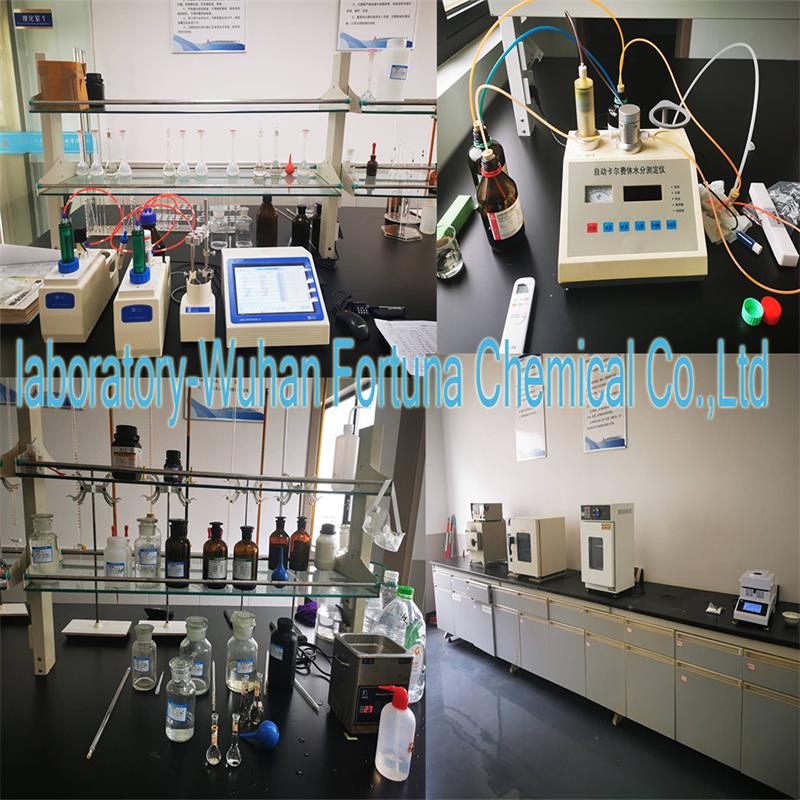
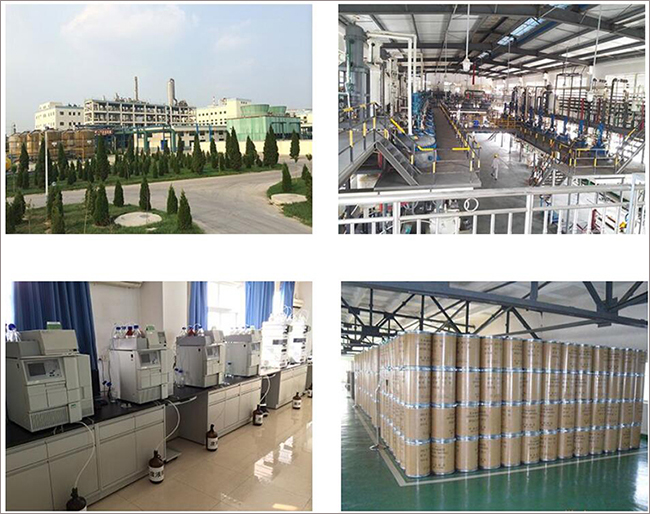

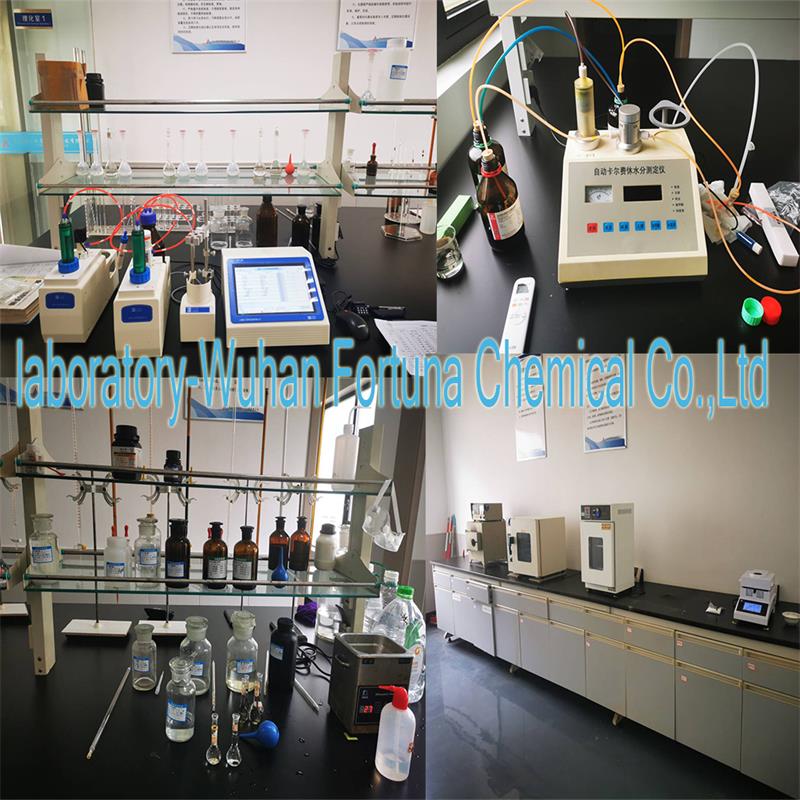
Guaranteed purity
High quality & competitive price
Quality control
Fast feedback
Prompt shipment


Fortunachem Provides Not Only Professional Chemical Products But Also Professional Help
Keeping you up-to-date with all the latest information, news, and events about Fortunachem!

Quick Links
Add:
E-mail: