 English
  Español
  français
  العربية
 Search
Search

Hydrocortisone acetate has anti-inflammatory, anti-allergic, antitoxin, and anti-shock effects.
Hydrocortisone acetate is mainly used to treat rheumatoid arthritis, rheumatic fever, gout, bronchial asthma, etc. Hydrocortisone acetate injection can be used for tuberculous or purulent meningitis, tuberculous pleurisy, empyema, arthritis, tenosynovitis, tendon strain, sprains, prurigo nodosum, lichen planus, etc. Hydrocortisone acetate eye drops are used in various ophthalmitis. Hydrocortisone acetate cream is used for allergic or seborrheic dermatitis, pruritus, etc.
| Items | Specifications | Results |
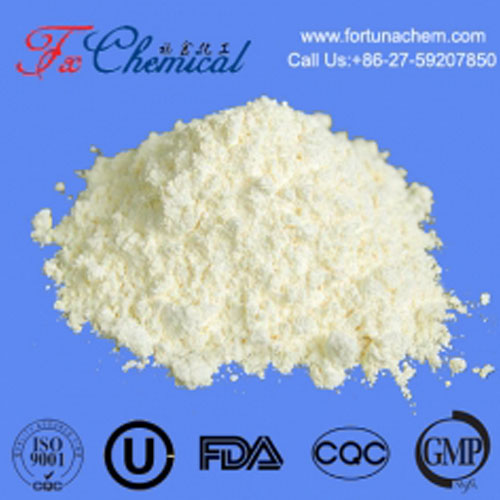
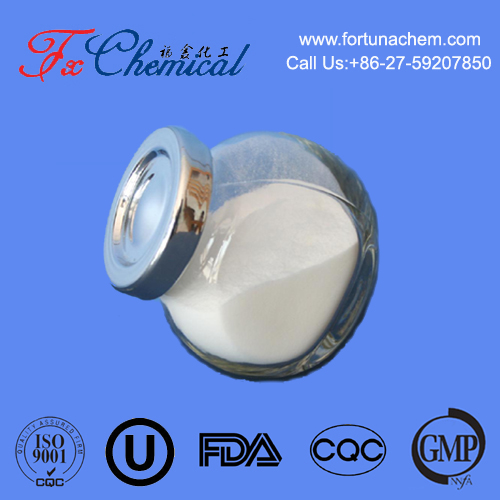
| Appearance | White or almost white crystalline powder | White crystalline powder |
| Specific Rotation | +158°~+167° | +164° |
| Loss on drying | ≤1.0% | 0.14% |
| Assay | 97.0%-102.0% | 99.4% |
| Product parameters | |
| Cas number: | 50-03-3 |
| Appearance: | White or almost white crystalline powder |
| Purity: | 97~102% |
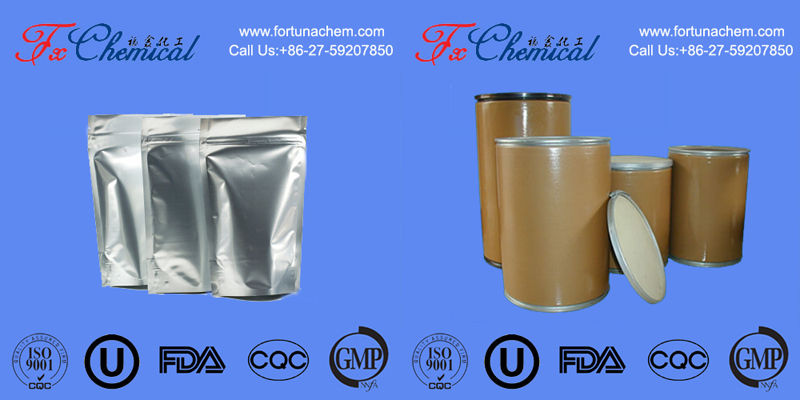
| Package details: | 1kg/foil bag; 25kg/drum |
| Brand: | Fortunachem |
Hydrocortisone Acetate: Definition and Uses
Hydrocortisone acetate is a synthetic corticosteroid medication, which is a salt ester form of the natural hormone hydrocortisone (cortisol). It is a medium-potency steroid primarily used for its anti-inflammatory, anti-itch (anti-pruritic), and immune-suppressing effects.
The "acetate" part modifies the original hydrocortisone molecule, making it less soluble and allowing it to be absorbed more slowly. This property makes it particularly useful for certain formulations where a longer-lasting, localized effect is desired.
Hydrocortisone acetate is available in several forms, each suited for different conditions:
Used for: Treating mild to moderate inflammatory skin conditions.
Common Conditions:
Eczema (Atopic Dermatitis)
Contact Dermatitis (e.g., from poison ivy, soaps, metals)
Psoriasis (for milder cases)
Seborrheic Dermatitis (dandruff, cradle cap)
Insect Bites and Stings
Rash from Diapers (Diaper Rash) – often in combination with antifungal agents.
This is a key use for the acetate form. Because it is poorly soluble, it forms a suspension that provides a slow-release, localized effect lasting for weeks when injected.
Used for: Treating inflammation and pain in a specific joint or soft tissue.
Common Conditions:
Joint Disorders: Osteoarthritis, rheumatoid arthritis, gout, bursitis.
Soft Tissue Conditions: Tendinitis, epicondylitis (tennis elbow), ganglion cysts.
Skin Lesions: Keloids, hypertrophic scars, alopecia areata (injected into the scalp).
Used for: Treating inflammation in the lower rectum and anus.
Common Conditions:
Ulcerative Colitis (distal/proctitis form)
Hemorrhoids (internal, especially when inflamed)
Proctitis (inflammation of the rectal lining)
It mimics the action of cortisol. By binding to glucocorticoid receptors in cells, it:
Reduces inflammation by inhibiting the production of inflammatory chemicals (prostaglandins, leukotrienes).
Suppresses the immune system's overactivity in the treated area.
Constricts blood vessels, reducing redness and swelling.
Topical Use: Should not be used on the face, groin, or armpits for prolonged periods unless directed by a doctor (risk of skin thinning, stretch marks, acne). Never use on broken or infected skin without medical advice.
Injectable Use: Injections are administered by healthcare professionals. Potential side effects include temporary pain flare, skin thinning at the injection site, lightening of the skin (depigmentation), and rarely, infection. Frequent joint injections can damage cartilage.
Systemic Absorption: While primarily local, large amounts or long-term use on large areas can lead to absorption into the bloodstream, potentially causing systemic corticosteroid side effects (e.g., adrenal suppression, high blood sugar).
Not for Infections: It does not treat bacterial, viral, or fungal infections and can actually make them worse.
| Feature | Hydrocortisone (Base) | Hydrocortisone Acetate |
|---|---|---|
| Potency | Low-potency | Medium-potency |
| Solubility | More soluble | Less soluble (slow-release) |
| Common Forms | Creams, ointments (OTC), tablets, IV | Injectable suspension, suppositories, some topical creams |
| Typical Use | Mild skin irritation, adrenal insufficiency | Joint/soft tissue injections, rectal inflammation |
Disclaimer: This information is for educational purposes only. Always consult a doctor or pharmacist before using any medication. Use exactly as prescribed, and do not use for longer than the recommended duration.


Hydrocortisone acetate is a glucocorticoid, which has four major functions: anti inflammation, anti allergy, antitoxin and anti shock.


Fortunachem Provides Not Only Professional Chemical Products But Also Professional Help
Keeping you up-to-date with all the latest information, news, and events about Fortunachem!



Quick Links
Add:
E-mail:
 中文
中文