
 English
  Español
  français
  العربية
 Search
Search
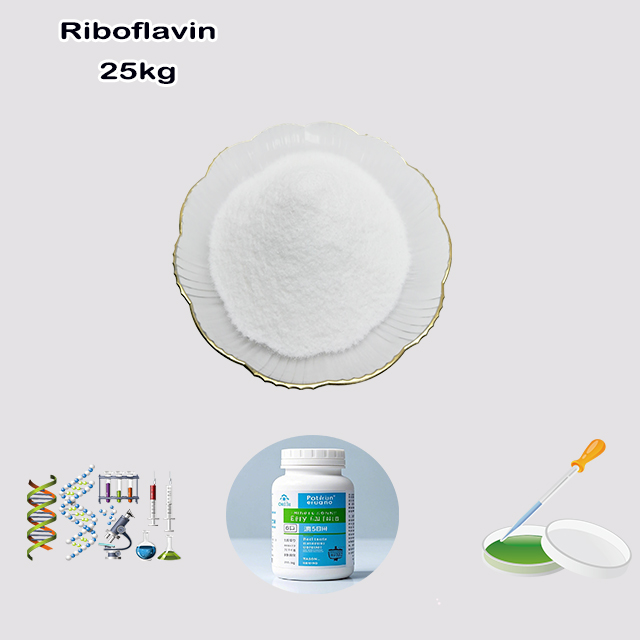

Riboflavin (Vitamin B₂) is a water-soluble vitamin essential for energy production and cellular function. It serves as a precursor for coenzymes FMN and FAD, which are vital for metabolizing fats, drugs, and steroids.
Primary uses include:
Preventing/treating deficiency (ariboflavinosis), characterized by sore throat, skin lesions, and anemia.
Dietary fortification of grains and cereals.
Migraine prevention at high doses (400 mg/day).
Supporting red blood cell production and antioxidant activity.
Used as a natural yellow food coloring (E101).
Key sources: organ meats, eggs, milk, green leafy vegetables, and fortified foods. It's safe, with excess excreted in urine.
Riboflavin, also known as Vitamin B₂, is a water-soluble vitamin essential for human health. It is a yellow-orange compound, naturally fluorescent, and its name derives from "ribose" (the sugar) and "flavin" (from the Latin flavus, meaning yellow).
It is a key component of coenzymes that are involved in numerous metabolic reactions throughout the body.
Riboflavin's primary importance lies in its role as a precursor for two vital coenzymes:
Flavin mononucleotide (FMN)
Flavin adenine dinucleotide (FAD)
These coenzymes are essential for:
Energy Production: They are crucial in the electron transport chain, the major pathway for generating cellular energy (ATP) from carbohydrates, fats, and proteins.
Metabolism of Other Nutrients: Assist in the metabolism of other B vitamins (B6, folate, niacin) and iron.
Antioxidant Function: FAD is required by the antioxidant enzyme glutathione reductase, which helps recycle glutathione—one of the body's most important antioxidants.
Cell Function and Growth: Essential for normal cellular growth, development, and function.
Other Specific Roles:
Maintaining healthy skin, eyes, and nervous system.
Aiding in the production of red blood cells.
Supporting thyroid hormone metabolism.
Deficiency Symptoms: Sore throat, redness and swelling of the mouth and throat (cheilosis, angular stomatitis), magenta-colored tongue (glossitis), skin inflammation (seborrheic dermatitis), anemia, and eye issues (itching, light sensitivity, corneal vascularization).
Who's at Risk? Individuals with poor dietary intake, alcohol use disorder, anorexia, lactose intolerance, and certain genetic disorders.
Mandatory Fortification: In many countries, riboflavin is added to enriched grains and cereals (e.g., bread, flour, breakfast cereals) to prevent population-wide deficiencies.
Standalone Supplements & B-Complex Vitamins: Commonly included in multivitamins and B-complex formulas.
Migraine Prophylaxis: High-dose riboflavin (400 mg/day) has been shown in studies to be an effective and well-tolerated preventive treatment for reducing the frequency and severity of migraine headaches.
Supporting Iron-Deficiency Anemia Treatment: Riboflavin helps with iron metabolism, and correcting a deficiency can improve the effectiveness of iron therapy.
Cataract Prevention: Some research suggests adequate lifelong riboflavin intake, along with other nutrients, may help slow age-related cataract development, possibly due to its role in maintaining glutathione levels in the eye.
Food Coloring: Due to its vibrant yellow-orange color, it is used as a natural food colorant (designated as E101 in the EU).
Fortification of Processed Foods: Added to dairy products, beverages, and infant formulas to increase nutritional value.
Riboflavin is widely available in foods, especially:
Animal Sources: Organ meats (liver, kidney), eggs, lean meats, fish (salmon, trout), and dairy products (milk, yogurt, cheese).
Plant Sources: Green leafy vegetables (spinach, kale), legumes, nuts, seeds, mushrooms, avocados, and fortified grains and cereals.
Note: Riboflavin is easily destroyed by exposure to light (e.g., milk in clear glass bottles), but it is relatively heat-stable during cooking.
Recommended Dietary Allowance (RDA):
Men: 1.3 mg/day
Women: 1.1 mg/day (1.4 mg during pregnancy, 1.6 mg while breastfeeding)
Toxicity: Riboflavin is considered extremely safe with no known toxicity. It has a very low absorption ceiling, and any excess is excreted in urine, often causing it to turn a bright fluorescent yellow—a harmless but noticeable effect.
Drug Interactions: Certain medications can deplete riboflavin or interfere with its use, including some tricyclic antidepressants, antimalarial drugs, and long-term use of probenecid.
In summary, Riboflavin (Vitamin B₂) is an essential, water-soluble vitamin critical for energy production, antioxidant defense, and the metabolism of other nutrients. Its primary use is to prevent deficiency, but it also has therapeutic applications (like migraine prevention) and is widely used in food fortification and as a natural colorant.
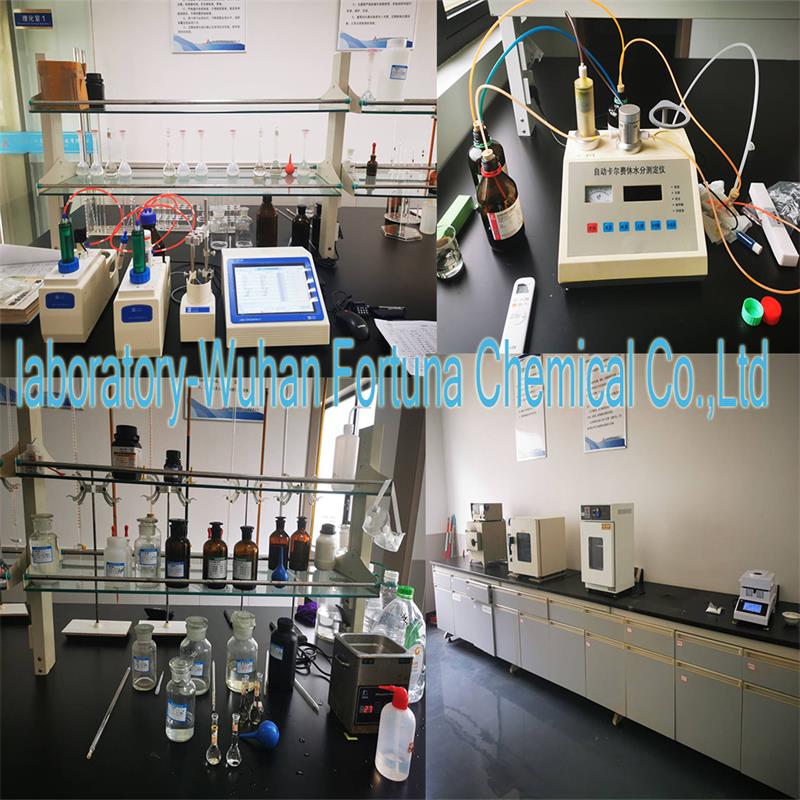



Fortunachem Provides Not Only Professional Chemical Products But Also Professional Help
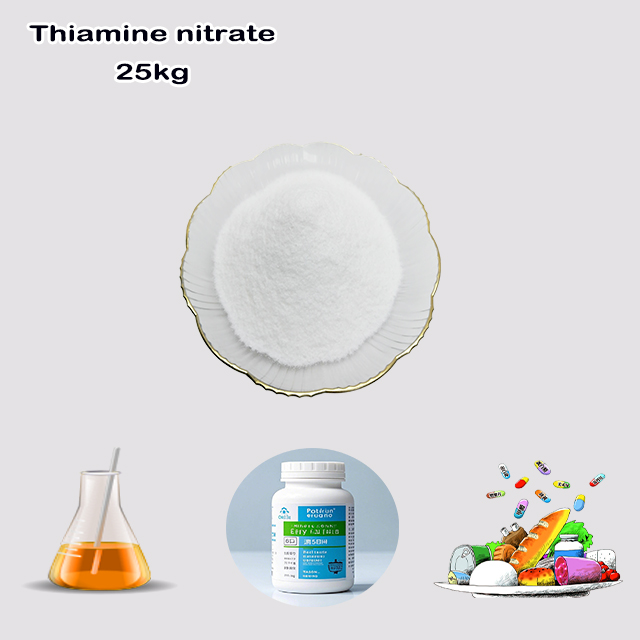
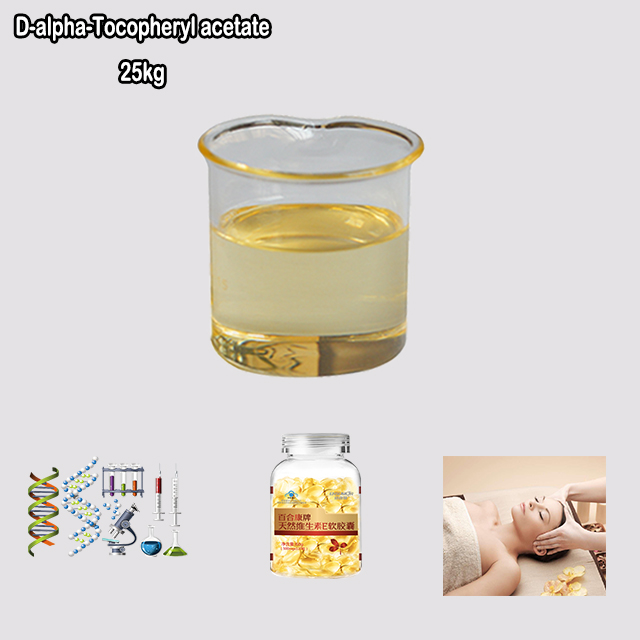
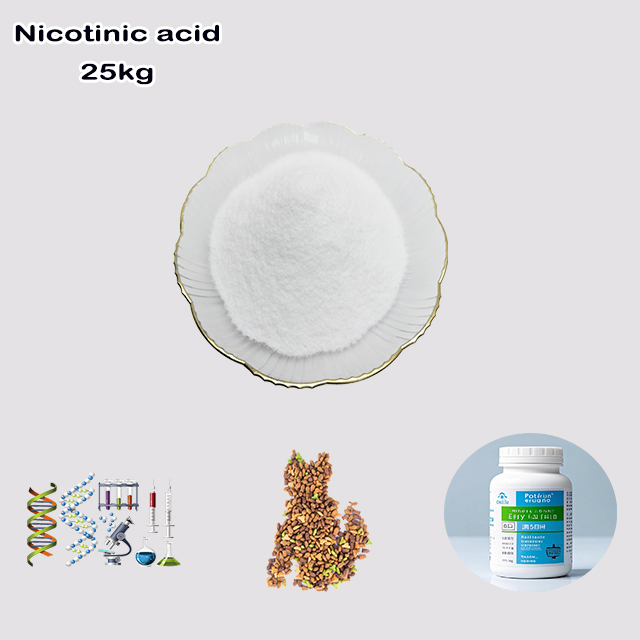
Keeping you up-to-date with all the latest information, news, and events about Fortunachem!


Quick Links
Add:
E-mail:
 中文
中文