 English
  Español
  français
  العربية
 Search
Search
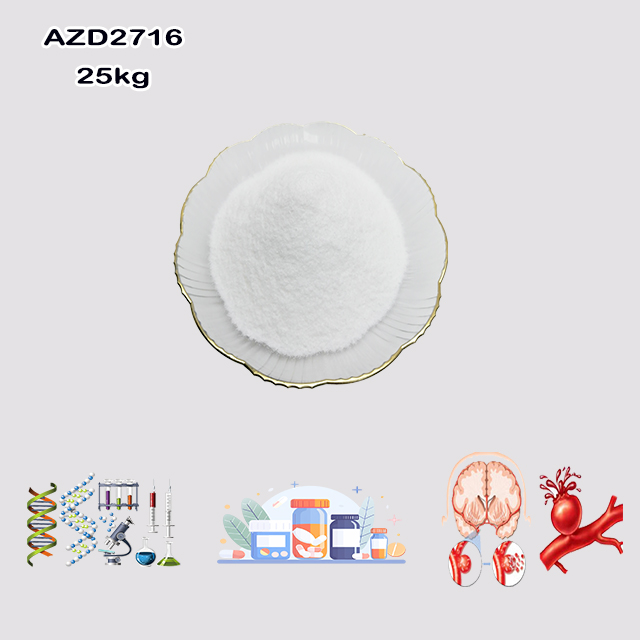

AZD2716 was an investigational oral drug developed by AstraZeneca to combat high cholesterol and prevent heart disease. Unlike existing injectable treatments, it worked by uniquely blocking the liver's production of the PCSK9 protein, a key regulator of "bad" LDL cholesterol.
Its intended use was for patients at high risk of cardiovascular events, such as those with genetic conditions or who cannot tolerate statins. However, during clinical trials, AZD2716 showed highly variable effectiveness and caused elevated liver enzymes in some participants, indicating potential liver toxicity. Due to these safety and efficacy concerns, AstraZeneca discontinued its development in 2022. While unsuccessful, its research advanced the pursuit of convenient oral PCSK9 inhibitors.
Excellent question. AZD2716 is an investigational (experimental) drug candidate developed by AstraZeneca. It is not an approved medication and is still in the early stages of clinical testing.
Here’s a breakdown of what it is and its intended uses:
It is a novel, orally administered small-molecule drug designed to inhibit a protein called PCSK9 (Proprotein Convertase Subtilisin/Kexin Type 9).
Target: PCSK9 is a protein that regulates cholesterol levels in the blood. It works by promoting the degradation of LDL receptors on the liver's surface. Fewer receptors mean the liver can't clear "bad" LDL cholesterol from the blood effectively, leading to higher LDL-C levels.
Mechanism: AZD2716 is designed to block PCSK9 at its source. It acts inside the liver cells (hepatocytes) to prevent the synthesis of the PCSK9 protein itself. This is different from existing injectable PCSK9 inhibitors (like evolocumab and alirocumab), which are antibodies that bind to and neutralize PCSK9 protein after it has been secreted into the bloodstream.
The primary goal of AZD2716 is to treat and prevent atherosclerotic cardiovascular disease (ASCVD) by dramatically lowering low-density lipoprotein cholesterol (LDL-C or "bad" cholesterol).
Its potential uses would be for patients with:
Familial Hypercholesterolemia (FH): A genetic disorder causing extremely high LDL-C from birth.
High-risk ASCVD patients: Those with a history of heart attack, stroke, or peripheral artery disease who cannot reach their LDL-C goals with existing therapies (like statins or ezetimibe).
Statin-intolerant patients: Individuals who cannot tolerate the side effects (like muscle pain) of statins, which are the current first-line therapy.
The development of AZD2716 has faced significant challenges:
Phase I & II Trials: Early clinical trials showed that AZD2716 could effectively reduce PCSK9 and LDL-C levels. However, these reductions were highly variable among participants.
Major Hurdle - Liver Toxicity: The trials also identified elevations in liver enzymes (a marker of potential liver stress or injury) in some participants, leading to discontinuation of treatment in several cases.
Current Status: As a result of these safety and variability issues, AstraZeneca discontinued the development of AZD2716 for cardiovascular disease. This decision was announced in 2022. The company has shifted its focus to other, more promising candidates in its pipeline.
Even though it failed, AZD2716 represented an important scientific approach:
Oral Administration: A successful oral PCSK9 inhibitor would have been a major convenience advantage over the current injectable therapies (given every 2-4 weeks).
Novel Mechanism: Targeting PCSK9 synthesis inside the cell, rather than the protein outside, was a novel strategy that could have offered a different efficacy or safety profile.
In summary:
AZD2716 was an experimental oral drug designed to lower LDL cholesterol by blocking the production of the PCSK9 protein in the liver. Its intended use was for preventing heart disease in high-risk patients. However, due to issues with variable effectiveness and signs of potential liver toxicity in clinical trials, its development has been halted. It serves as an example of the high failure rate in drug development, even for promising biological targets.

Fortunachem Provides Not Only Professional Chemical Products But Also Professional Help
Keeping you up-to-date with all the latest information, news, and events about Fortunachem!



Quick Links
Add:
E-mail:
 中文
中文