 English
  Español
  français
  العربية
 Search
Search
iridium_(Ir(ppy)3)主图_20251107.jpg "China Manufacturer Supply 98% Purity Tris(2-phenylpyridine)iridium CAS 94928-86-6 Good Service wholesale")
Tris(2-phenylpyridine)iridium is used as an OLED material.Tris(2-phenylpyridine)iridium (Ir(ppy)₃) is a phosphorescent organometallic compound. It consists of a central iridium metal atom surrounded by three organic (ppy) ligands. Its key property is efficiently converting electrical energy into bright green light by harnessing both singlet and triplet excitons. This high efficiency makes it a crucial green emitter in OLED displays (like phones and TVs) and lighting. It is also used as a photocatalyst in chemical synthesis. Essentially, it's a workhorse material for modern optoelectronics due to its brightness, color purity, and stability.
| Items | Specification |
| Product name | Tris(2-phenylpyridine)iridium |
| CAS | 94928-86-6 |
| Appearance | Yellow powder |
| Crude Assay | ≥98% |
| Purified Assay | ≥99.5% |
| Molecular Formula | C33H24IrN3 |
| Molecular Weight | 654.79 |
| EINECS | 635-640-5 |
| Product parameters | |
| Cas number: | 94928-86-6 |
| Appearance: | Yellow powder |
| Purity: | 98% 99.5% |
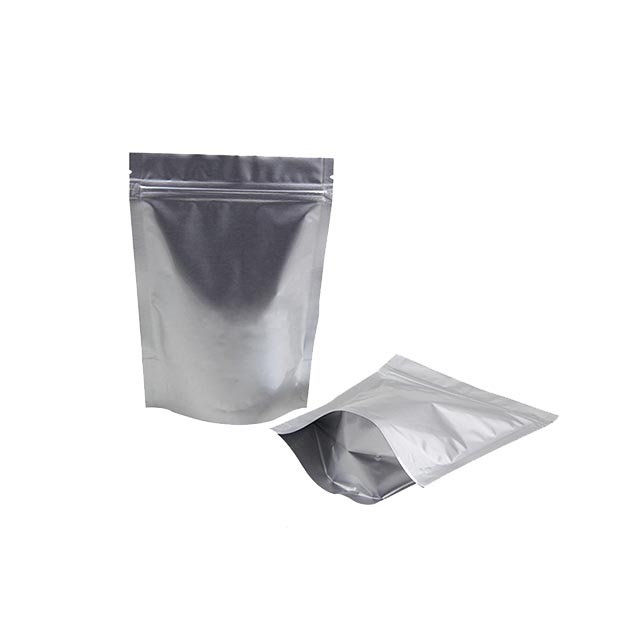
| Package details: | Brown bottle |
| Brand: | Fortunachem |
Ir(ppy)₃ is an organometallic complex. This means it's a molecule consisting of a metal atom (Iridium) bonded to organic molecules (the ppy ligands).
Central Metal Atom: Iridium (Ir), a heavy metal from the platinum group. The presence of this heavy atom is crucial for its properties.
Ligands: Three identical 2-phenylpyridine (ppy) anions. Each ppy ligand is a bidentate ligand, meaning it binds to the iridium atom at two points: through the nitrogen atom in the pyridine ring and the carbon atom in the phenyl ring.
The structure is often described as a distorted octahedron, with the iridium at the center and the three ligands arranged around it.
This is the most important characteristic of Ir(ppy)₃. It is a highly efficient phosphorescent emitter.
To understand this, let's briefly discuss photophysics:
Fluorescence: A process where a molecule absorbs light and immediately re-emits it. It's a fast process (nanoseconds) and involves "singlet" states.
Phosphorescence: A process where a molecule absorbs energy, and after a delay, re-emits it as light. It's a slower process (microseconds to milliseconds) and involves "triplet" states.
In most purely organic molecules, the transition from a triplet state to the ground state (emitting light) is "forbidden" by quantum mechanics, making them very weak phosphorescers.
The "Heavy Atom Effect" in Ir(ppy)₃:
The heavy iridium atom creates a strong spin-orbit coupling effect. This "mixes" the singlet and triplet states, making the forbidden triplet transition much more allowed. This allows Ir(ppy)₃ to efficiently harvest both singlet and triplet excitons (energized states) and convert up to 100% of them into light.
This makes it an extremely efficient electrophosphor.
Color: Emits green light. The specific wavelength can be tuned by chemically modifying the ppy ligand.
High Photoluminescence Quantum Yield (PLQY): A very high percentage of the absorbed energy is converted into light.
Short Phosphorescent Lifetime: Its emission lifetime is in the microsecond (µs) range, which is ideal for fast switching in displays.
Good Stability: The complex is thermally and chemically robust, which is essential for long-lasting devices.
The unique properties of Ir(ppy)₃ make it a workhorse material in the field of optoelectronics, specifically:
This is its most famous application. In an OLED, electricity is used to create light within thin organic layers.
Role: Ir(ppy)₃ is used as a dopant in the emissive layer of the OLED.
Function: It is responsible for producing bright, efficient green light. Its ability to use all generated excitons (100% internal quantum efficiency) makes it far superior to older fluorescent materials. You will find derivatives of Ir(ppy)₃ in the green pixels of high-end smartphone displays and OLED TVs.
Similar to OLEDs but often with a simpler device structure. Ir(ppy)₃ is also a key emitter in this technology.
Beyond lighting, Ir(ppy)₃ is a popular photocatalyst. When irradiated with light, it becomes a powerful reducing agent (photoexcited state) that can drive various chemical reactions, including:
Organic synthesis: Creating complex carbon-carbon bonds.
Redox reactions: Transferring electrons to other molecules to initiate reactions.
This application leverages its ability to absorb light efficiently and enter a long-lived, high-energy state.
You will often see Ir(ppy)₃ compared to bis(2-phenylpyridine)(acetylacetonate)iridium(III), or Ir(ppy)₂(acac).
Ir(ppy)₃: A neutral, homoleptic complex (all ligands are the same). It has a slightly lower molecular weight and a more symmetrical structure.
Ir(ppy)₂(acac): A neutral, heteroleptic complex (has two different types of ligands). The acetylacetonate (acac) ligand is a spectator and doesn't directly participate in the light emission, but it subtly changes the electronic properties of the complex.
In practice, both are excellent green phosphors. The choice between them often comes down to subtle differences in color purity, efficiency, and evaporation properties during the OLED manufacturing process.
In essence, Tris(2-phenylpyridine)iridium (Ir(ppy)₃) is a landmark phosphorescent organometallic complex that revolutionized display and lighting technology by enabling highly efficient green emission through its ability to harness triplet states, a feat impossible for traditional fluorescent materials.
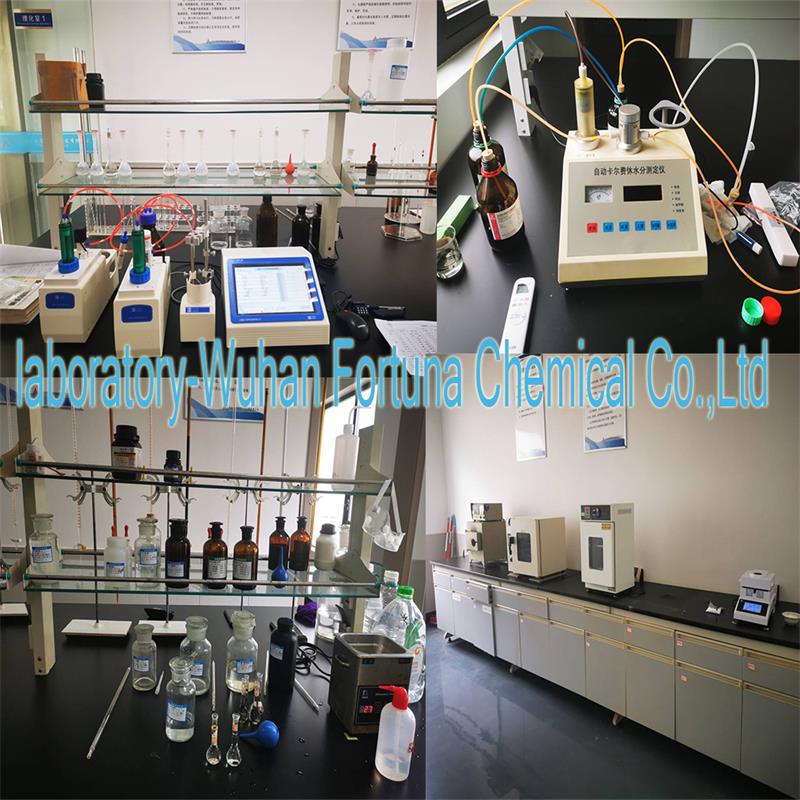
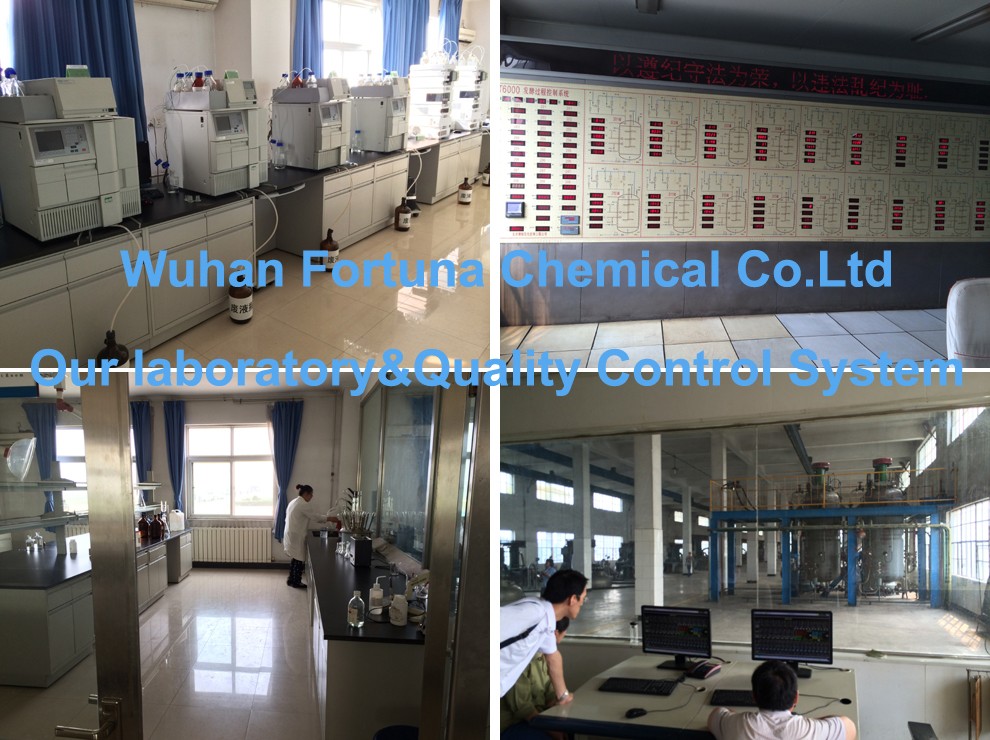
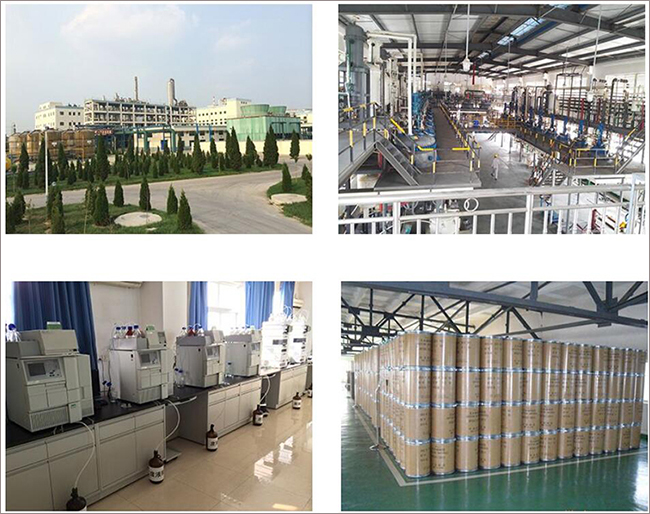
Guaranteed purity
High quality & competitive price
Quality control
Fast feedback
Prompt shipment


Fortunachem Provides Not Only Professional Chemical Products But Also Professional Help
Keeping you up-to-date with all the latest information, news, and events about Fortunachem!


Quick Links
Add:
E-mail:
 中文
中文