 English
  Español
  français
  العربية
 Search
Search
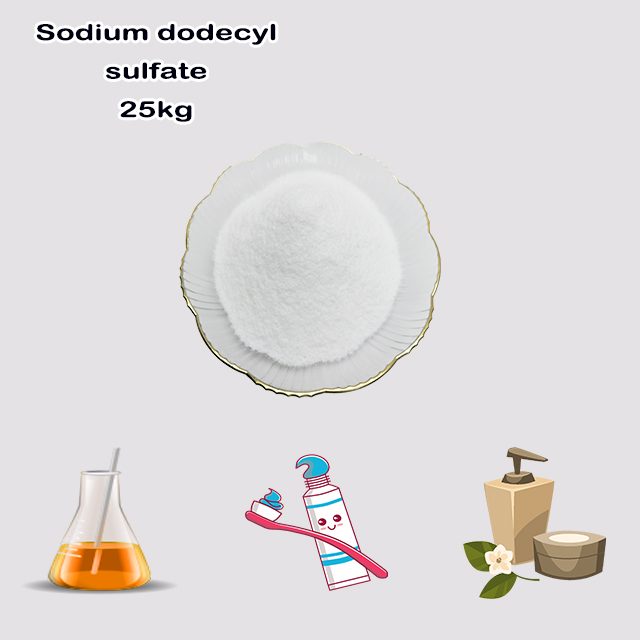
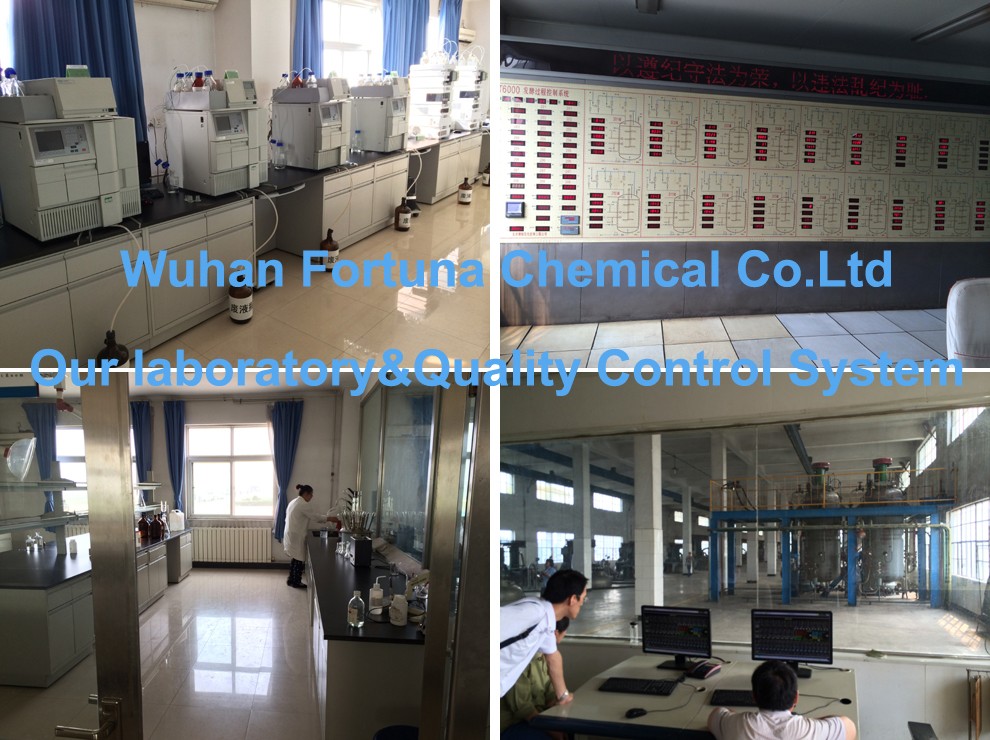
Sodium dodecyl sulfate is an anionic surfactant. As a blowing agent, it is widely used in toothpaste, soap, bath liquid, shampoo, washing powder, and cosmetics.
Sodium dodecyl sulfate has excellent decontamination, emulsification, and foaming power and can be used as a detergent and textile auxiliary, and also used as an anionic surface activator, toothpaste foaming agent, mine fire extinguishing agent, fire extinguisher foaming agent, emulsion polymerization emulsifier, used in medicine as emulsion dispersant, shampoo, and other cosmetic products, wool detergent, silk wool fine fabric detergent, metal beneflotation agent.
Items | Specifications | Results |
Characters | Description:Small,white or light yellow crystals having a slight,characteristic odor. | Conforms |
Solubility:Freely soluble in water,forming an opalescent solution. | Conforms | |
Identification | A.Infrared absorption<197K>or<197A> | Conforms |
B.Sodium | Conforms | |
C.Sulfate | Conforms | |
D.A copious foam is formed | Conforms | |
E.Chemical reaction | Conforms | |
Sodium chloride | The combined content of sodium chloride and sodium sulfate is NMT8.0% | 0.03% |
Sodium sulfate | The combined content of sodium chloride and sodium sulfate is NMT 8.0% | 0.6% |
Alkalinity | NMT 0.5ml for neutralization | Conforms |
Total alcohols | The residue represents the total alcohols and is NLT 59.0% of the weight of Sodium Lauryl sulfate taken. | 62.5% |
Unsulfated alcohol | The weight of the residue is NMT 4.0% of the weight of Sodium Lauryl Sulfate taken. | 0.7% |
Assay | NLT 85.0%,calculated as Sodium Lauryl Sulfate. | 95.9% |
Conclusion | The product conforms to the above specifications. | |
| Product parameters | |
| Cas number: | 151-21-3 |
| Appearance: | White powder or white needle pillar |
| Purity: | 95% min, 99%min |
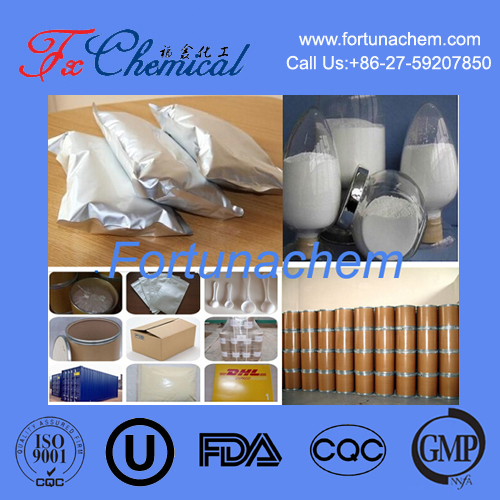
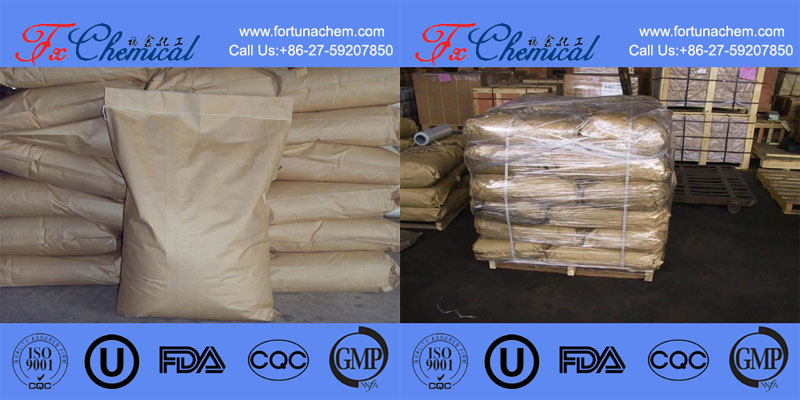
| Package details: | 25kg/bag |
| Brand: | Fortunachem |
Sodium dodecyl sulfate (SDS), also known as sodium lauryl sulfate (SLS), is a synthetic organic compound and one of the most widely used surfactants (surface-active agents). Its chemical formula is CH₃(CH₂)₁₁OSO₃Na.
It consists of:
A hydrophobic 12-carbon tail (a dodecyl or lauryl chain).
A hydrophilic sulfate head group (negatively charged, anionic).
This amphiphilic structure allows it to reduce surface tension between liquids, solids, and gases, making it excellent at solubilizing, emulsifying, and foaming.
Anionic Surfactant: Carries a negative charge when dissolved in water.
Powerful Detergent: Disrupts non-covalent bonds in proteins and lipids, solubilizing them.
Denaturing Agent: Unfolds proteins by breaking their native 3D structure.
Excellent Foaming Agent: Creates abundant, stable lather.
This is where the name SDS is primarily used.
SDS-PAGE (Polyacrylamide Gel Electrophoresis): The most critical use. SDS binds to and denatures proteins, giving them a uniform negative charge. This allows separation in a gel based solely on molecular weight, a fundamental technique in biochemistry and molecular biology.
Cell Lysis & Nucleic Acid Extraction: Used to break open cell membranes and nuclei to release DNA/RNA during purification protocols.
Cleaning Laboratory Glassware: Effective at removing organic residues.
Emulsion Polymerization: Acts as a surfactant to stabilize polymer particles (e.g., in synthetic rubber, polystyrene, and acrylic paints) during production.
Here, it is most commonly listed as SLS or sodium lauryl sulfate.
Cleaning Products: A primary detergent in laundry detergents, dish soaps, and household cleaners.
Personal Care & Cosmetics:
Toothpaste: Creates foaming action, helping to disperse ingredients.
Shampoos, Shower Gels, Bubble Baths: Provides the rich lather that consumers associate with cleaning efficacy.
Shaving Creams: Acts as a foaming agent and lubricant.
Hand Soaps: Provides detergency and lather.
SDS/SLS is often confused with Sodium Laureth Sulfate (SLES). They are related but different:
SLES (CH₃(CH₂)₁₁(OCH₂CH₂)ₙOSO₃Na) contains an ethylene oxide chain, making it much milder and less irritating to skin and eyes.
SLES is far more common in personal care products like shampoos and body washes.
SDS is a stronger, more potent irritant but is highly valued in laboratories for its predictable, strong denaturing action.
Irritation: SDS can be a skin, eye, and mucous membrane irritant, especially in high concentrations. This is why its concentration is controlled in consumer products.
"Sulfate-Free" Trend: Many personal care brands now market "sulfate-free" products, claiming benefits like being gentler on skin/hair and preserving hair color. This is primarily about avoiding SLS and SLES.
Misconceptions: While it can be drying or irritating for some individuals, extensive scientific reviews have found no evidence that SLS in cosmetics is a significant carcinogen. Regulatory bodies worldwide consider it safe for use in rinse-off products and at limited levels in leave-on products.
| Context | Common Name | Primary Use |
|---|---|---|
| Laboratory | SDS | Denaturing protein for electrophoresis (SDS-PAGE); cell lysis. |
| Industry | SLS/SDS | Emulsion polymerization for plastics, rubber, and paints. |
| Consumer Goods | SLS | Foaming and detergent agent in toothpastes, shampoos, cleansers, and soaps. |
In essence, SDS is a versatile workhorse surfactant: it's the scientific standard for protein analysis in labs and the engine behind lather in many everyday cleaning and personal care products.
Guaranteed the purity
High quality & competitive price
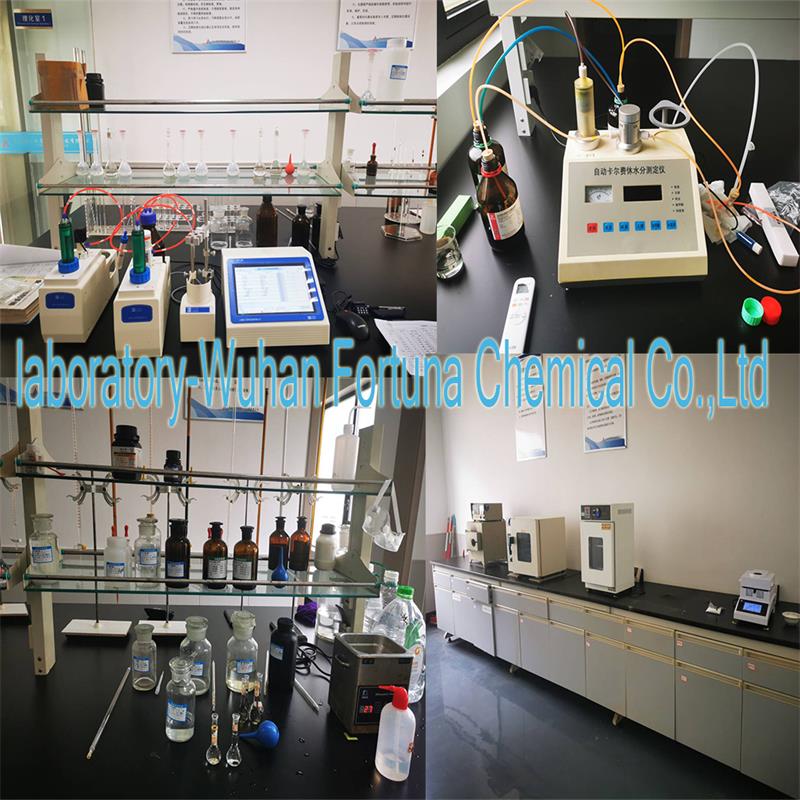
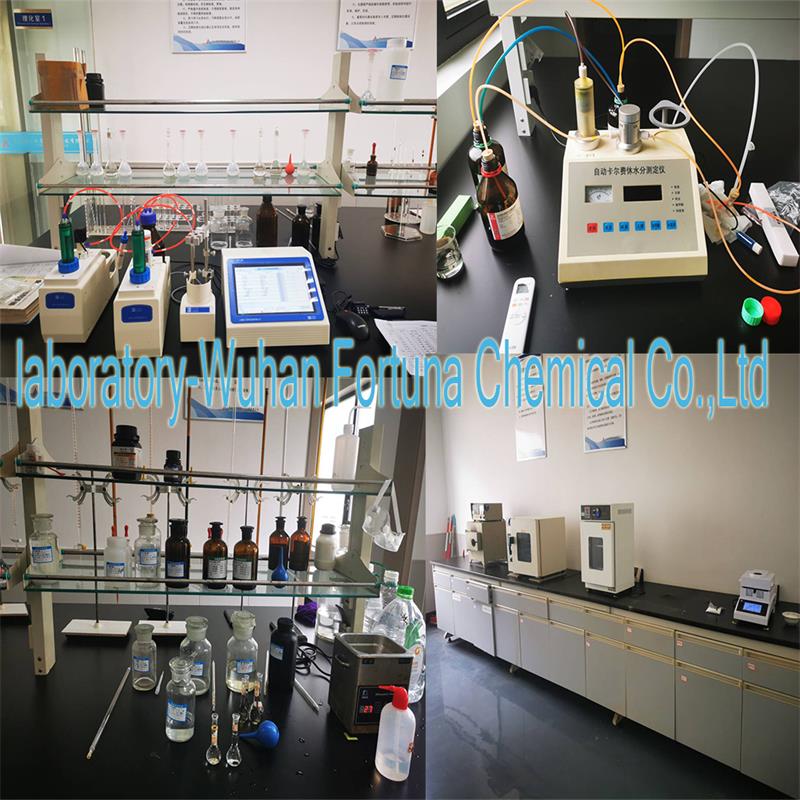
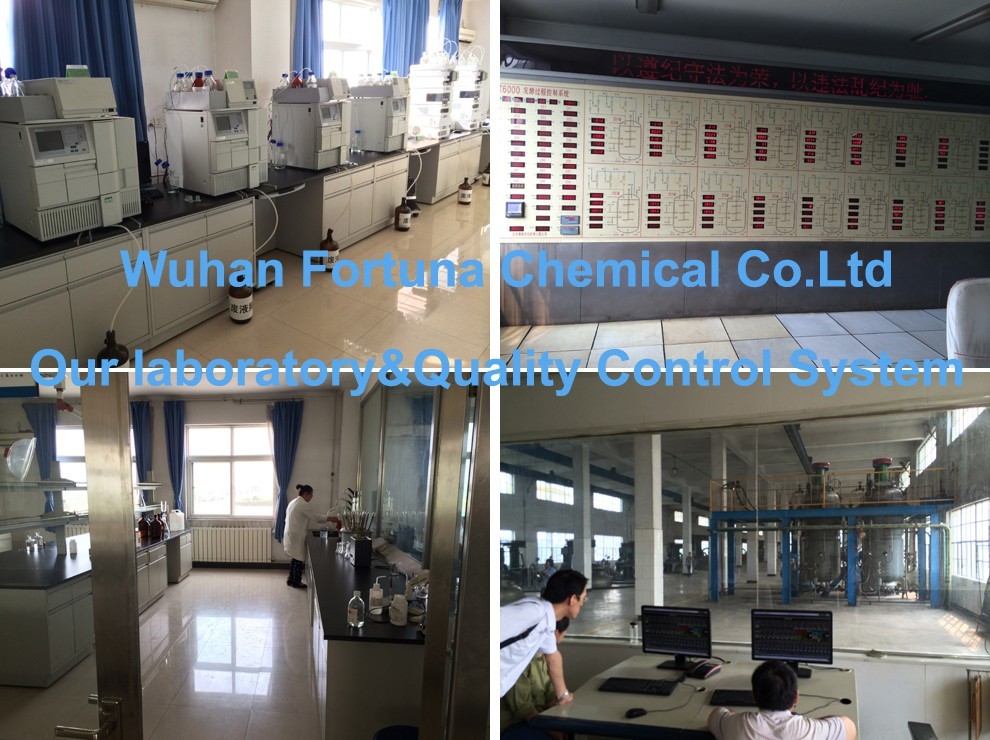
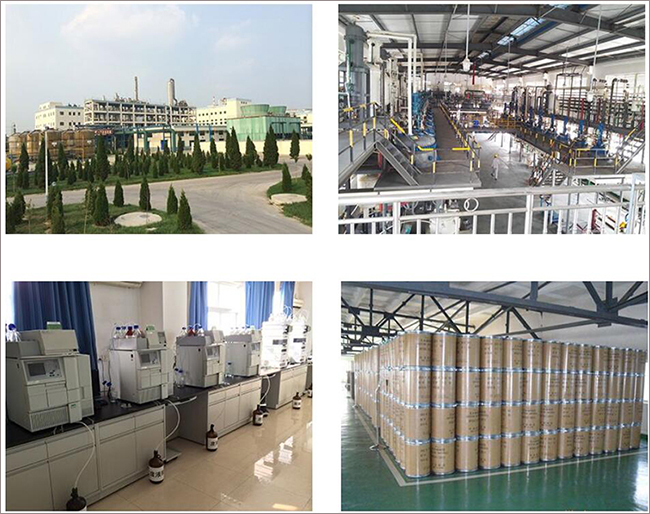
Quality control
Fast feedback
Prompt shipment


Fortunachem Provides Not Only Professional Chemical Products But Also Professional Help
Keeping you up-to-date with all the latest information, news, and events about Fortunachem!


Quick Links
Add:
E-mail:
 中文
中文