 English
  Español
  français
  العربية
 Search
Search
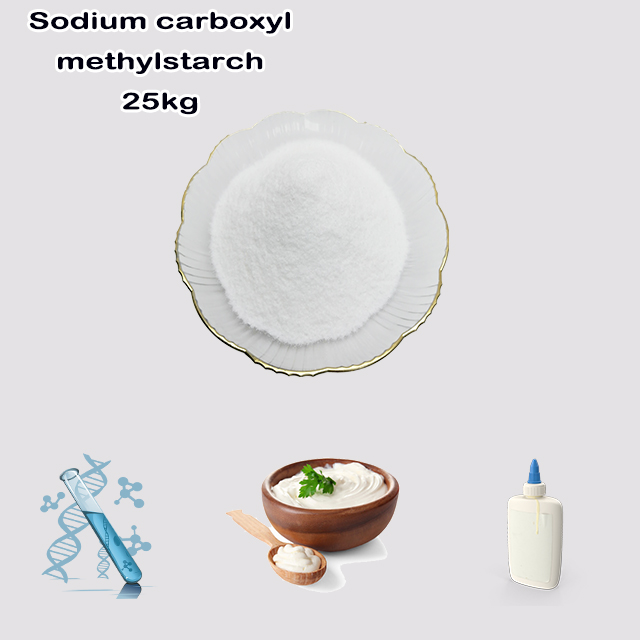

Sodium carboxyl methyl starch is odorless, non-toxic, mildew-resistant, and easily soluble in water. Applied to different foods, it can show thickening, suspension, emulsification, stabilization, conformation, film formation, puffing, retain freshness, acid resistance, health care, and other functions.
Food-grade sodium carboxyl methyl starch is widely used in milk, beverages, frozen foods, fast food, pastries, syrups, and other products. In addition, CMS is physiologically inert and has no calorific value, so it can also be used to make foods with low calorific values to achieve ideal results. Sodium carboxyl methyl starch can be used as an emulsifier, thickener, dispersant, stabilizer, sizing agent, film-forming agent, water retention agent, etc.
| item | specification | result |
| Appearance | white powder or almost white powder | conform |
| purity | 2.8%-4.2% | 3.05% |
| Product parameters | |
| Cas number: | 9063-38-1 |
| Appearance: | white powder or almost white powder |
| Purity: | 2.8%-4.2% |
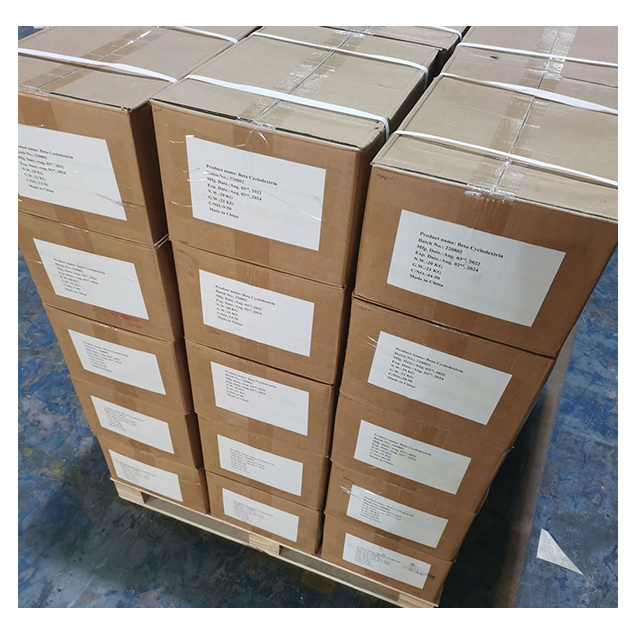
| Package details: | 25Kg/Drum |
| Brand: | Fortunachem |
Sodium Carboxymethyl Starch (CMS-Na) is a chemically modified derivative of natural starch (typically from corn, potato, or tapioca). It is created by reacting starch with sodium monochloroacetate in an alkaline medium, which introduces carboxymethyl groups (-CH₂-COONa) onto the starch polymer backbone.
This modification transforms the properties of native starch, making it:
Soluble in cold water
Anionic (carries a negative charge)
Highly swellable
An excellent water-binding and viscosity-modifying agent
Note on Naming: In scientific and industrial contexts, "Sodium Carboxymethyl Starch" and "Carboxymethyl Starch Sodium" are the standard terms. "Sodium Carboxyl Methylstarch" is a common variant of the name.
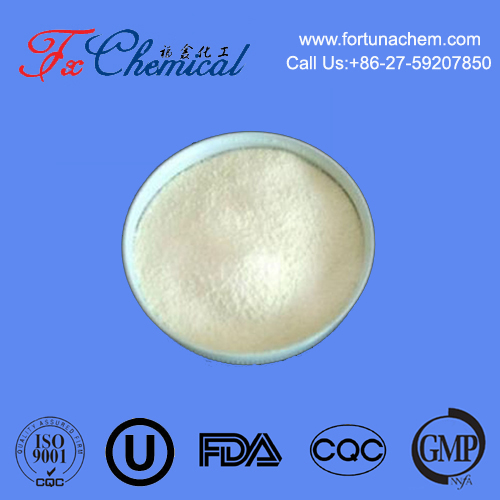
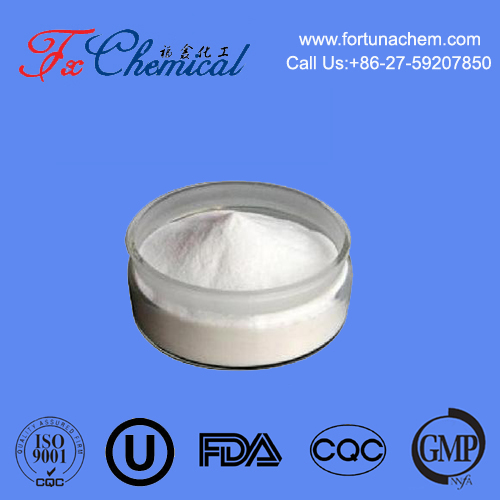
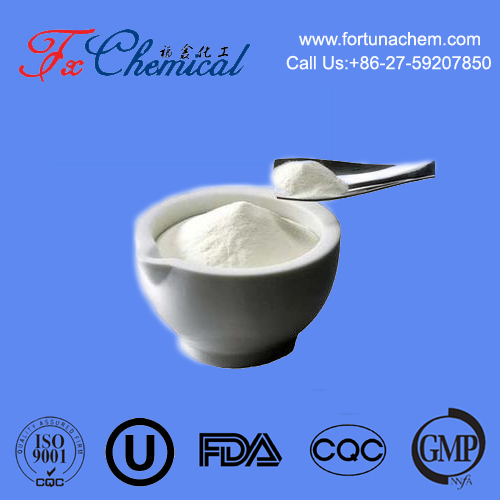
Appearance: White or off-white, odorless, free-flowing powder or fine grains.
Solubility: Soluble in cold water, forming a clear to opalescent, viscous colloidal solution. Insoluble in organic solvents.
Swelling Power: Has a tremendous capacity to absorb water and swell many times its original volume without forming a gel (unlike some other starches).
Its unique properties make it invaluable in two main industries: Pharmaceuticals and Food.
In medicine, it is widely used as a pharmaceutical excipient—an inactive substance that serves as a vehicle or medium for the active drug. Its primary role is as a:
Superdisintegrant in Tablet Formulations: This is its most critical function. When a tablet is swallowed, the superdisintegrant rapidly absorbs water, swells, and causes the tablet to break apart (disintegrate) into smaller granules. This drastically increases the surface area, allowing for the quick release and absorption of the active drug into the body. It is particularly effective in fast-melt, chewable, and orally disintegrating tablets (ODTs).
Binder and Filler: In wet granulation processes, it can help bind powder particles together. It also acts as a diluent to add bulk to a tablet.
Suspending and Viscosity-Enhancing Agent: In liquid formulations like syrups and topical lotions, it helps stabilize suspensions (preventing particles from settling) and modifies viscosity for better application.
Film-Forming Agent: Can be used in coatings for tablets or capsules.
Why is it preferred in pharmaceuticals?
Highly effective at low concentrations (typically 2-8% of tablet weight).
Chemically inert and compatible with most active ingredients.
Biocompatible, non-toxic, and derived from a natural source.
Produced to meet strict pharmacopeial standards (e.g., USP-NF, Ph. Eur.).
Here, it functions as a food additive (E-number in the EU, INS 1440) and is valued for its texture-modifying properties.
Thickener and Stabilizer: Used in sauces, gravies, pie fillings, and soups to provide body and prevent separation.
Water Retention Agent: Improves moisture retention in baked goods, frozen foods, and meat products, enhancing texture and shelf-life.
Binder: In products like processed meats and vegetarian patties, it helps bind ingredients together.
Textile Industry: As a sizing agent to strengthen yarn during weaving and as a thickener in printing pastes.
Paper Industry: As a coating binder and to improve paper strength.
Detergent Industry: As a soil-suspending agent and anti-redeposition agent in powders.
Safety: It is generally recognized as safe (GRAS) by the FDA for use in food and is widely approved as a pharmaceutical excipient globally. It is non-toxic and biodegradable.
Allergies: While rare, as it is derived from starch (often corn), there is a theoretical concern for individuals with severe corn allergies, though the processing is extensive.
Regulatory Status: Its use in food and pharmaceuticals is strictly controlled by specifications regarding substitution degree, purity, and residual chemicals.
| Compound | Source / Base | Key Property | Primary Use |
|---|---|---|---|
| Sodium Carboxymethyl Starch (CMS-Na) | Starch (corn, potato) | Cold-water soluble, super-disintegrant | Pharmaceutical tablets (disintegrant), food thickener. |
| Sodium Starch Glycolate | Starch (potato, corn) | Super-disintegrant (often more efficient swelling) | Pharmaceutical tablets (a major competitor to CMS-Na as a disintegrant). |
| Carboxymethyl Cellulose (CMC) | Cellulose (plant pulp) | Cold-water soluble, viscous, anionic | Food thickener/stabilizer, pharmaceutical binder, in cosmetics, detergents. |
| Native Starch | Corn, wheat, tapioca | Insoluble in cold water, must be heated to gel | Food thickener, ingredient in many foods, industrial adhesive. |
Sodium Carboxymethyl Starch is a versatile, modified carbohydrate derived from starch. Its most important and specialized application is in the pharmaceutical industry as a superdisintegrant, where it is critical for ensuring that tablets dissolve rapidly in the body. Its secondary roles are as a thickener, stabilizer, and moisture-retention agent in the food and other industries. Its safety, effectiveness, and natural origin make it a staple ingredient in product formulation.
Disclaimer: This information is for educational purposes. In pharmaceuticals, excipient selection is done by formulation scientists. For food, it is used according to Good Manufacturing Practices (GMP) and regulatory limits.

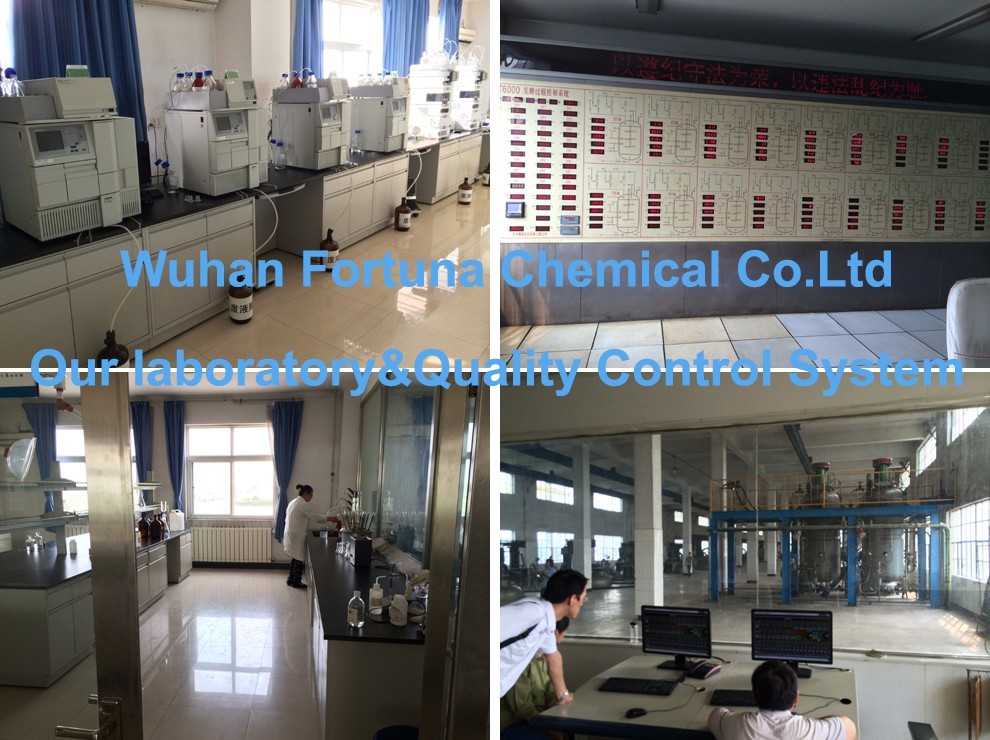
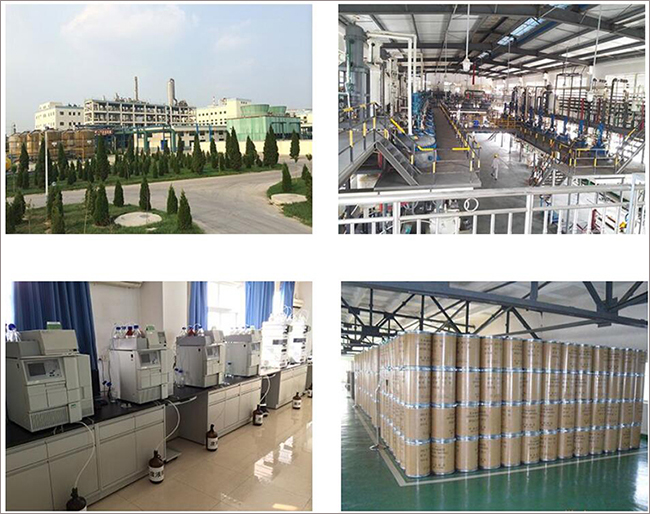

Fortunachem Provides Not Only Professional Chemical Products But Also Professional Help
Keeping you up-to-date with all the latest information, news, and events about Fortunachem!

Quick Links
Add:
E-mail: