 English
  Español
  français
  العربية
 Search
Search
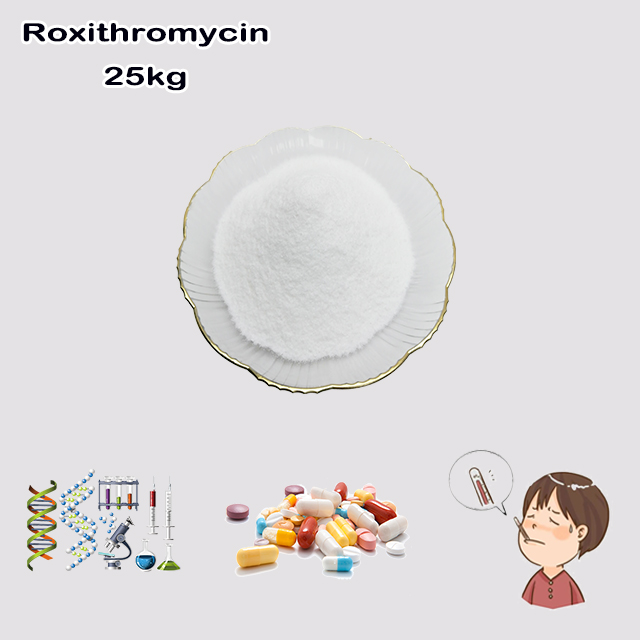
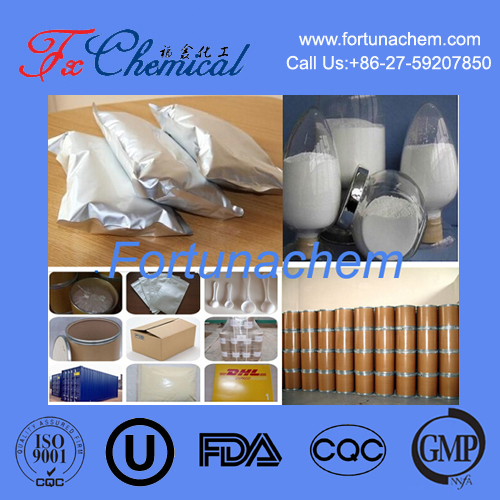
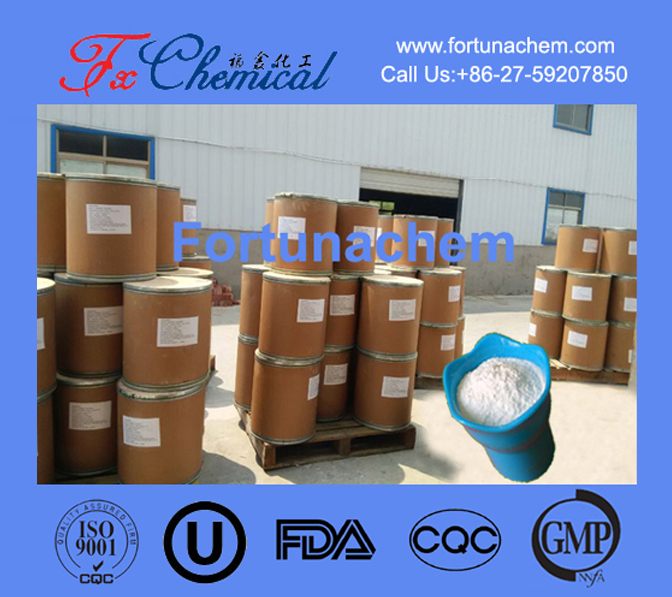

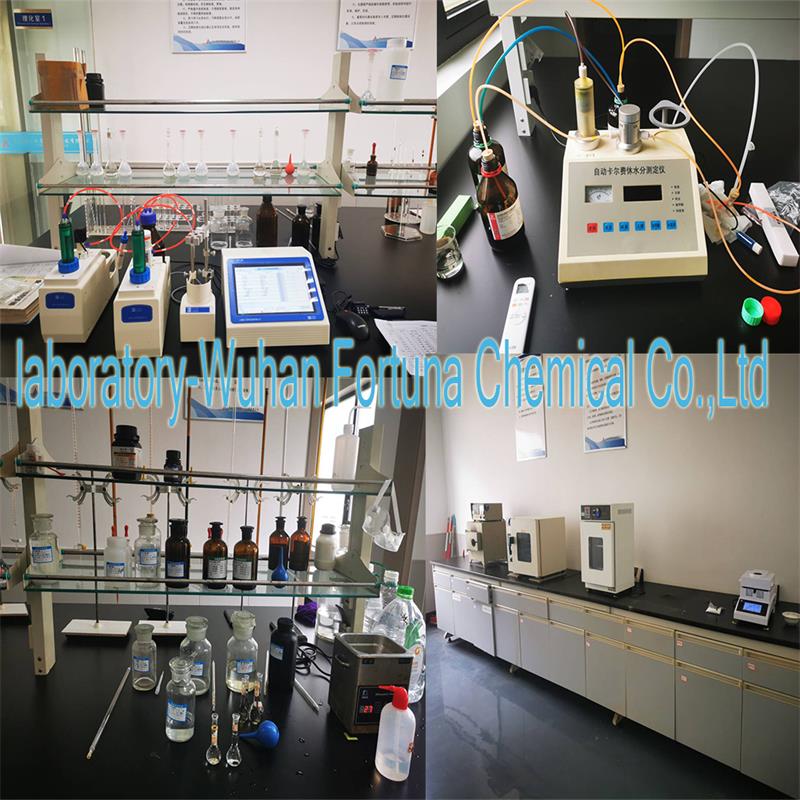
Roxithromycin is used to treat respiratory infections such as pneumonia, acute bronchitis, acute infection with chronic bronchitis, atypical pneumonia, and genitourinary infections, skin and soft tissue infections.
Roxithromycin can permeate the bacterial cell membrane and bind reversibly to the 50S subunit of the bacterial ribosome close to the donor ( " P " position ) , blocking the transfer of RNA to the " P " position , and also blocking the transfer of the polypeptide chain from the receiving position ( " A " position ) to the " P " position ) , thus inhibiting bacterial protein synthesis and thus playing an antibacterial role. Roxithromycin is characterized by its rapid entry into macrophages, alveolar cells, and neutrophils.
| Items | Specification | Result |
| Assay | ≥94.0% | 95.9% |
| Appearance | A white or almost white crystalline powder | A white crystalline powder |
| PH | 8.0-10.0 | 9.0 |
| Residue on ignition | ≤0.1% | 0.06% |
| Heavy metals | ≤10ppm | <10ppm |
| Water | ≤3.0% | 2.8% |
| Product parameters | |
| Cas number: | 80214-83-1 |
| Appearance: | A white or almost white crystalline powder |
| Purity: | 94%min |
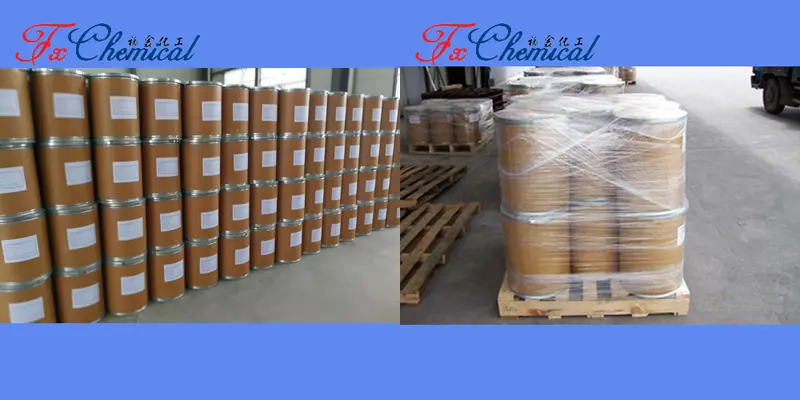
| Package details: | 1kg/foil bag;25kg/drum |
| Brand: | Fortunachem |
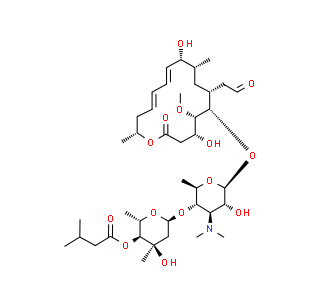
Roxithromycin is a semi-synthetic, macrolide antibiotic. It is a derivative of the natural compound Erythromycin, specifically designed to have better acid stability and a longer duration of action. It is used to treat a wide range of bacterial infections.
IUPAC Name: (3R,4S,5S,6R,7R,9R,11S,12R,13S,14R)-6-{[(2S,3R,4S,6R)-4-(dimethylamino)-3-hydroxy-6-methyloxan-2-yl]oxy}-14-ethyl-12,13-dihydroxy-4-{[(2R,3R,4S,5R,6R)-5-(methoxyamino)-3,4,6-trimethyloxan-2-yl]oxy}-7-methoxy-3,5,7,9,11,13-hexamethyl-1-oxacyclotetradecane-2,10-dione
Molecular Formula: C₄₁H₇₆N₂O₁₅
CAS Number: 80214-83-1
Roxithromycin is based on the 14-membered macrolide ring structure of erythromycin. The key chemical modification that defines it is:
Erythromycin Derivative: It is a semi-synthetic molecule derived from Erythromycin A.
Oxime Ether Side Chain: The most important structural change is at the C-9 carbonyl group of the lactone ring. In Roxithromycin, this ketone is converted into an O-[(2-methoxyethoxy)methyl] oxime.
Purpose of this Modification: This side chain shields the lactone ring from being degraded by stomach acid. This makes Roxithromycin much more acid-stable than erythromycin, allowing it to be taken orally without an enteric coating and leading to more reliable absorption.
Simplified View: Think of it as an "upgraded" erythromycin, where a key part of the molecule has been altered to prevent it from breaking down in the acidic environment of the stomach.
Roxithromycin, like all macrolides, is a bacteriostatic antibiotic (it inhibits bacterial growth rather than killing them outright). Its mechanism is:
Binding to the Ribosome: It binds reversibly to the 50S subunit of the bacterial ribosome.
Inhibition of Protein Synthesis: By binding to this site, it blocks the translocation step of protein synthesis—the process where the growing peptide chain moves from the A-site to the P-site of the ribosome.
Net Effect: The bacteria is unable to synthesize essential proteins, halting its growth and allowing the host's immune system to clear the infection.
Roxithromycin has a broad spectrum of activity, primarily against Gram-positive and some atypical bacteria. Its spectrum is similar to other macrolides like clarithromycin and azithromycin.
It is effective against:
Respiratory Pathogens:
Streptococcus pneumoniae (a common cause of pneumonia)
Streptococcus pyogenes (strep throat)
Moraxella catarrhalis
Legionella pneumophila (Legionnaires' disease)
Atypical Bacteria:
Chlamydia pneumoniae
Mycoplasma pneumoniae
Other Bacteria:
Staphylococcus aureus (though resistance is common)
Bordetella pertussis (whooping cough)
Helicobacter pylori (as part of combination therapy)
The chemical modifications give Roxithromycin several favorable properties:
Excellent Oral Bioavailability: It is well-absorbed from the gastrointestinal tract (about 50%).
Long Half-life: It has a long elimination half-life (around 12 hours), which allows for once or twice-daily dosing, improving patient compliance.
High Tissue Penetration: It achieves high concentrations in tissues, such as the lungs, tonsils, and skin, which is ideal for treating respiratory and soft tissue infections.
Roxithromycin is commonly prescribed for:
Upper and Lower Respiratory Tract Infections: Pharyngitis, tonsillitis, sinusitis, acute bronchitis, and community-acquired pneumonia.
Skin and Soft Tissue Infections: Such as erysipelas and impetigo.
Sexually Transmitted Infections: Particularly those caused by Chlamydia trachomatis.
Roxithromycin is generally well-tolerated but can cause gastrointestinal side effects (nausea, diarrhea, abdominal pain), though typically less severe than erythromycin.
Like other macrolides, it can prolong the QT interval on an electrocardiogram, which may increase the risk of serious heart arrhythmias, especially in susceptible patients.
It inhibits the liver enzyme CYP3A4 and can lead to drug interactions (e.g., with statins, some anticoagulants, and ergot alkaloids).
In conclusion, Roxithromycin is a semi-synthetic macrolide antibiotic, chemically engineered from erythromycin for greater acid stability and improved pharmacokinetics. Its mechanism of inhibiting bacterial protein synthesis makes it a key treatment for a variety of common community-acquired infections, particularly of the respiratory tract.

Guaranteed purity
High quality & competitive price
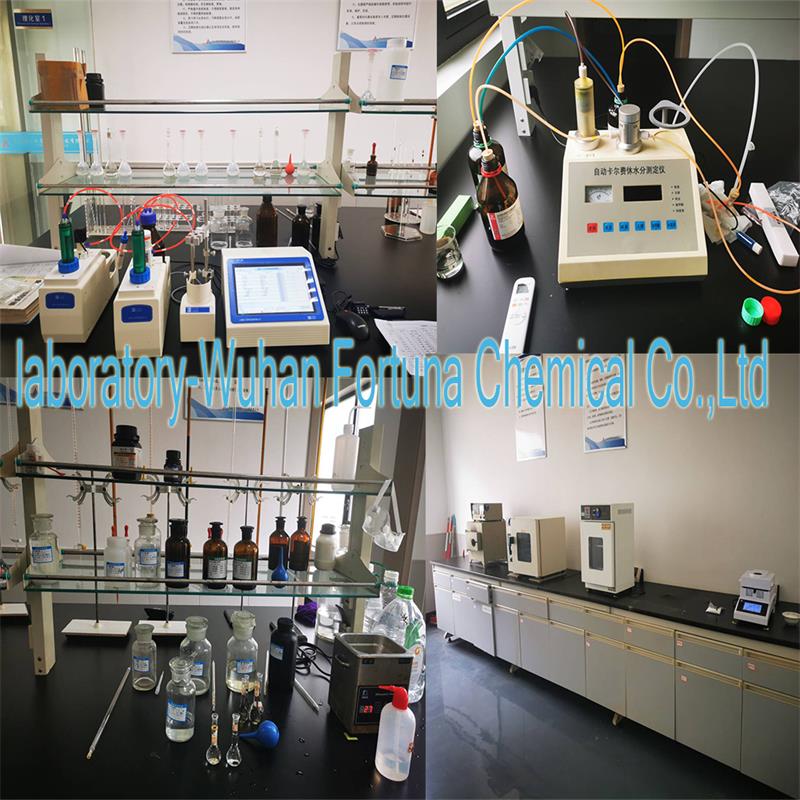
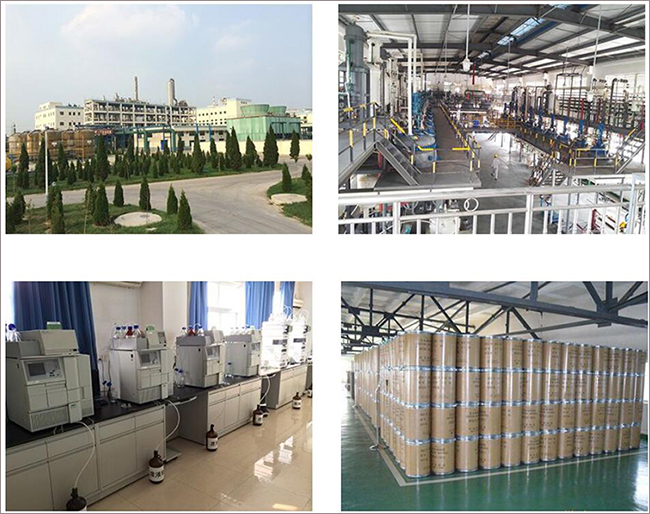
Quality control
Fast feedback
Prompt shipment


Fortunachem Provides Not Only Professional Chemical Products But Also Professional Help
Keeping you up-to-date with all the latest information, news, and events about Fortunachem!



Quick Links
Add:
E-mail:
 中文
中文