 English
  Español
  français
  العربية
 Search
Search




Piracetam is used in the treatment of cerebral arteriosclerosis and cerebrovascular accidents for memory and mental dysfunction.
Piracetam is a brain metabolism improvement drug, belonging to the cyclic derivative of γ-aminobutyric acid, highly selective for central action, limited to the improvement of brain function (memory, consciousness, etc.), weak mental excitatory effect, no side effects of psychotropic drugs, no dependence. Piracetam can prevent or protect retrograde forgetfulness caused by lack of oxygen in animals, and can also significantly antagonize the inhibitory effect of barbiturates on the center, promote brain cell metabolism, increase the absorption and utilization of amino acids, proteins and glucose in the brain, and have the effect of activating, protecting and repairing brain nerve cells, and can promote the conversion of ADP into ATP in the brain and improve the metabolic energy supply in the brain. It affects the excitatory transmission of cholinergic neurons and promotes acetylcholine synthesis. Piracetam can resist damage to brain function caused by physical and chemical factors, improving learning, memory and recall. May improve retrograde amnesia caused by hypoxia.
| Items | Specifications | Results |
| Appearance | White or almost white powder | Complies |
| Loss on drying | ≤1.0% | 0.18% |
| Residue on ignition | ≤0.1% | 0.06% |
| Heavy metal | ≤10ppm | Complies |
| Single impurity | ≤0.1% | 0.04% |
| Total impurity | ≤0.3% | 0.15% |
| Assay | 98.0~102.0% | 101.4% |
| Product parameters | |
| Cas number: | 7491-74-9 |
| Appearance: | White or almost white powder |
| Purity: | 98~102% |
| Package details: | 25kg/drum |
| Brand: | Fortunachem |
Piracetam is a synthetic nootropic drug belonging to the racetam family. It is considered the first and prototype "nootropic"—a term coined to describe drugs that may improve cognitive function without significant sedation or stimulation.
Chemical Class: It is a cyclic derivative of the neurotransmitter GABA (gamma-aminobutyric acid), but its effects are not primarily on GABA receptors.
How it Works: The exact mechanism is not fully understood. Key proposed actions include:
Modulating Neurotransmission: It may influence acetylcholine, glutamate, and AMPA receptors, enhancing communication between brain cells (neurons).
Improving Membrane Fluidity: It may increase the flexibility of neuronal cell membranes, potentially improving signal transmission and resilience.
Enhancing Brain Metabolism: It may support cerebral blood flow and the efficiency of energy (ATP) use in the brain.
Status: It is a prescription medication in most of Europe, the UK, and many other countries. In the United States, it is not approved by the FDA for any medical use and is available only as an unregulated supplement. Its legal status varies significantly worldwide.
Unlike acetaminophen, piracetam's uses are more specialized and its evidence base is mixed, with strong support for only a few specific conditions.
1. Medical/Clinical Uses (Where Approved):
Cortical Myoclonus: This is its most established and widely approved use. Piracetam is an effective treatment for myoclonus (sudden, involuntary muscle jerks) of cortical origin, often in combination with other medications.
Cognitive Impairment (in some countries): In parts of Europe and Asia, it is prescribed for conditions involving cognitive decline, such as:
Dementia and Alzheimer's disease (as an adjunct therapy, though evidence is modest).
Memory and concentration deficits following stroke or brain injury.
Dyslexia and learning disabilities in children (in some regions, to aid with reading and information processing).
2. Off-Label & Nootropic Uses (The "Smart Drug" Category):
This is the most common reason for its use as a supplement, though scientific evidence for benefits in healthy young adults is limited and often inconclusive.
Cognitive Enhancement: Users seek it to improve memory, learning speed, focus, and mental clarity.
Neuroprotection: Some use it hoping to protect the brain from age-related decline or oxidative stress.
Other Anecdotal Uses: May include helping with vertigo, mood stabilization, or enhancing creativity.
Limited Evidence for Healthy Individuals: While some studies show benefits in older adults with cognitive decline or specific medical conditions, high-quality evidence proving significant cognitive enhancement in healthy, young adults is lacking. Many reported benefits are anecdotal.
Side Effects: Generally considered well-tolerated, but potential side effects include:
Anxiety, nervousness, insomnia (especially at high doses)
Headache (very common, often linked to choline depletion—see below)
Gastrointestinal distress (nausea, diarrhea)
Fatigue or drowsiness
The "Racetam Headache": Many users report headaches, which is often attributed to increased demand for the neurotransmitter acetylcholine. This leads to the common **nootropic practice of "stacking" piracetam with a choline source (like Alpha-GPC or Citicoline) to prevent this side effect.
Safety and Regulation: Long-term safety data in healthy populations is incomplete. As an unregulated supplement in some markets, product quality and purity can vary.
| Feature | Acetaminophen (Tylenol) | Piracetam |
|---|---|---|
| Primary Purpose | Pain relief & fever reduction (Analgesic/Antipyretic) | Cognitive function & neuroprotection (Nootropic) |
| Evidence Base | Very strong, well-established for indicated uses | Mixed; strong for myoclonus, weak for cognitive enhancement in healthy users |
| Regulatory Status | Approved OTC/Prescription drug worldwide | Prescription drug in many countries, unregulated supplement in others (e.g., US) |
| Major Risk | Liver toxicity from overdose | Lack of robust efficacy data, potential for side effects like anxiety/headache |
| Mechanism | Acts on prostaglandins in the brain | Modulates neurotransmitters & neuronal membrane function |
Piracetam is the original nootropic drug, with legitimate medical uses for conditions like myoclonus and cognitive impairment in some countries. Its popularity stems from its off-label use as a "cognitive enhancer" or "smart drug," but scientific support for this benefit in healthy individuals is limited and inconsistent. If considering its use, it is crucial to:
Be aware of its legal status in your country.
Understand the lack of conclusive evidence for enhancement.
Consult with a healthcare professional, especially if you have underlying health conditions or take other medications.
Source it from reputable suppliers if using it as a supplement.
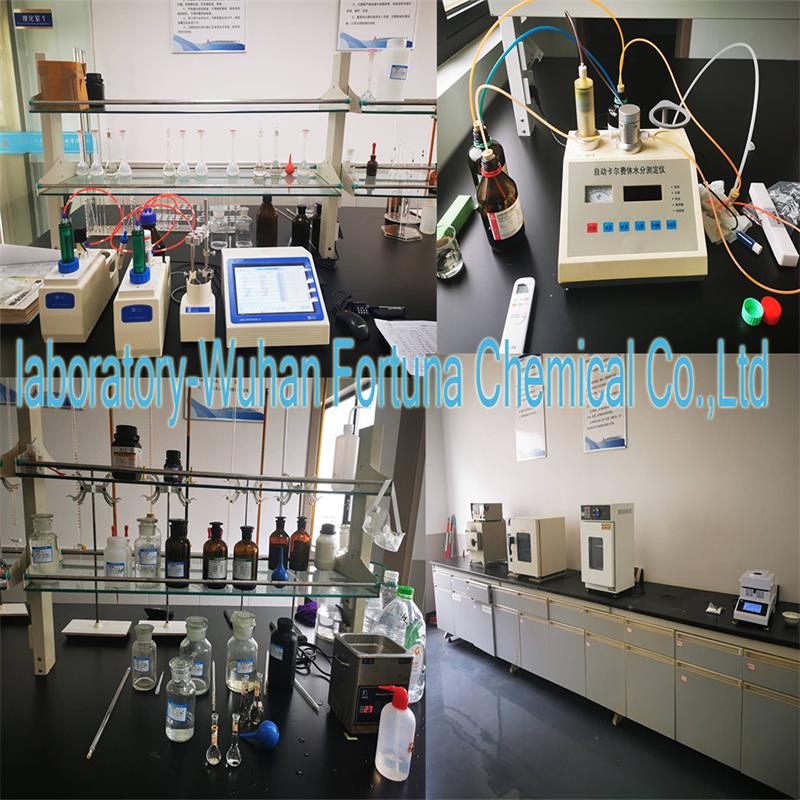

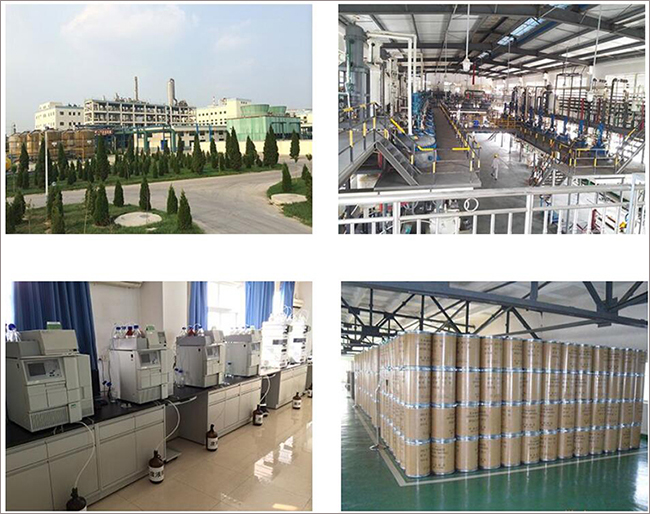

Fortunachem Provides Not Only Professional Chemical Products But Also Professional Help
Keeping you up-to-date with all the latest information, news, and events about Fortunachem!

Quick Links
Add:
E-mail:
 中文
中文