 English
  Español
  français
  العربية
 Search
Search
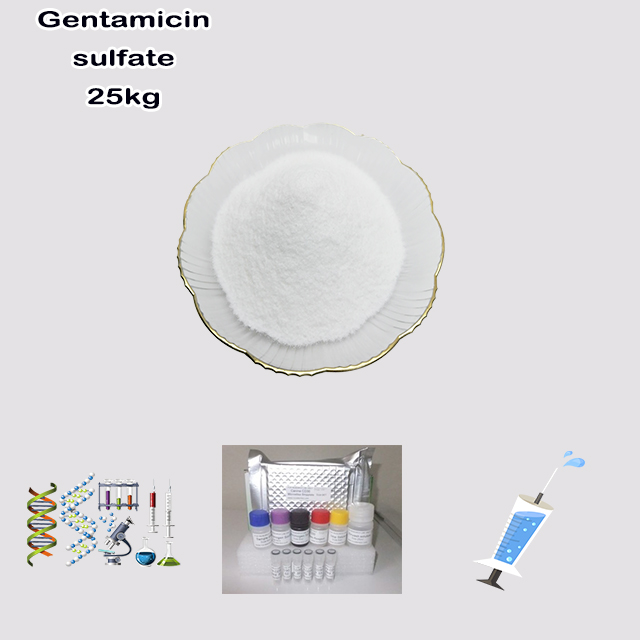
Gentamicin sulfate is a glycoside bactericidal antibiotic with an antibacterial profile similar. It is mainly used for systemic or local infections caused by Gram-negative bacteria such as escherichia coli, dysentery bacillus, klebsiella pneumoniae, proteus proteus, and pseudomonas aeruginosa.
Gentamicin sulfate is an antibiotic that has therapeutic effects on both gram-positive and gram-negative bacteria. Indications include bone infections, endocarditis, pelvic inflammation, meningitis, pneumonia, urinary tract infections, and sepsis.
| ITEMS | SPECIFICATIONS | RESULTS |
| Appearance | White or almost white powder | Complies |
| PH | 3.5 to 5.5 | 5.2 |
| Water | ≤15.0% | 9.6% |
| Sulphated ash | ≤1.0% | 0.1% |
| Sulphate | 32.0%~35.0% | 34.1% |
| Assay: | ≥590 IU/mg | 613 IU/mg |
| Product parameters | |
| Cas number: | 1405-41-0 |
| Appearance: | White or almost white powder |
| Purity: | ≥590 IU/mg |
| Package details: | 5BOU/tin, 2tin/carton |
| Brand: | Fortunachem |
Gentamicin sulfate is a broad-spectrum aminoglycoside antibiotic derived from bacteria of the Micromonospora genus. It is used primarily in medicine and microbiology due to its potent bactericidal activity.
Chemical Nature: A mixture of several closely related compounds (gentamicin C1, C1a, C2, etc.) formulated as a sulfate salt to enhance solubility and stability.
Mode of Action: Binds to the bacterial 30S ribosomal subunit, inhibiting protein synthesis and causing misreading of mRNA, leading to bacterial cell death.
Spectrum: Effective against many Gram-negative bacteria (e.g., E. coli, Pseudomonas aeruginosa, Klebsiella) and some Gram-positive bacteria.
Treating Serious Infections: Used for sepsis, pneumonia, urinary tract infections, meningitis, and abdominal infections caused by susceptible bacteria.
Topical Formulations: Found in creams, ointments, and eye/ear drops for skin, eye, or ear infections.
Surgical Prophylaxis: Sometimes used to prevent post-surgical infections.
Combination Therapy: Often paired with beta-lactam antibiotics (e.g., penicillins) for synergistic effects.
Cell Culture: Added to cell culture media to prevent bacterial contamination (common concentration: 50 µg/mL).
Selective Agent: Used in microbiology and molecular biology to select for genetically modified cells containing gentamicin-resistance genes.
Studying Antibiotic Mechanisms: A model aminoglycoside for research on antibiotic resistance, ototoxicity, and nephrotoxicity.
Treats bacterial infections in animals (e.g., respiratory, urinary tract, and wound infections).
While gentamicin is primarily biological in application, it has limited direct "chemical" uses outside of biology:
Biochemical Reagent: Used in studies of ribosomal function and protein synthesis mechanisms.
Affinity Chromatography: Gentamicin-linked matrices can purify enzymes or antibodies interacting with aminoglycosides.
Electrochemistry Studies: Sometimes used in developing antibiotic sensors or studying drug–membrane interactions.
Toxicity: Can cause nephrotoxicity (kidney damage) and ototoxicity (hearing loss), especially at high doses or prolonged use.
Resistance: Bacterial resistance via modifying enzymes or ribosomal mutations limits its use.
Not for Viral/Fungal Infections: Ineffective against viruses, fungi, or anaerobic bacteria.
Gentamicin sulfate is a critically important antibiotic with life-saving medical applications. Its "chemical" uses are mostly confined to biochemical, microbiological, and biotechnological contexts, where it serves as a tool for contamination control, selection in genetic engineering, and mechanistic studies.
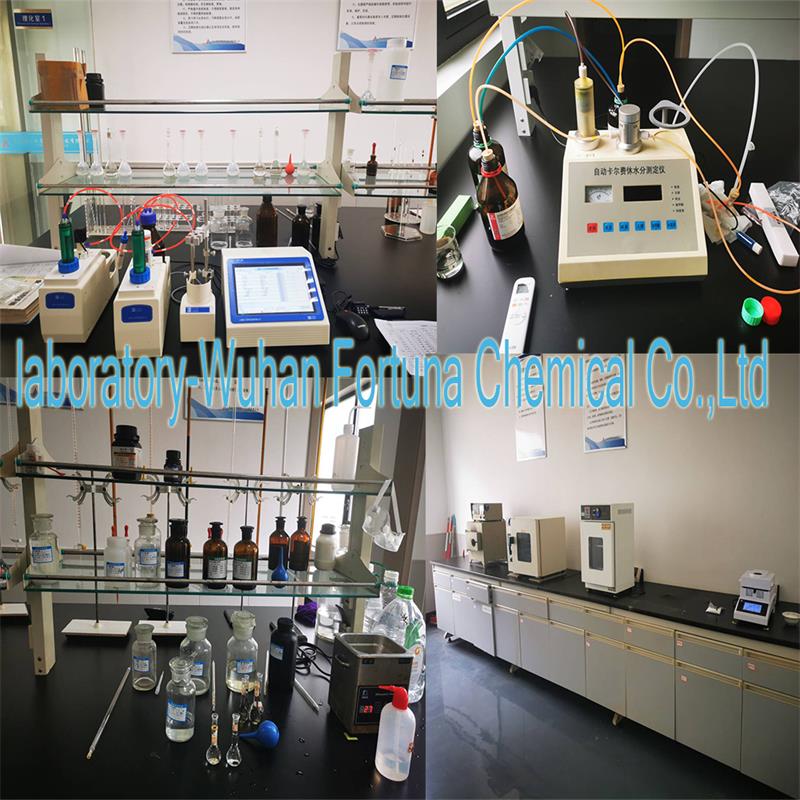
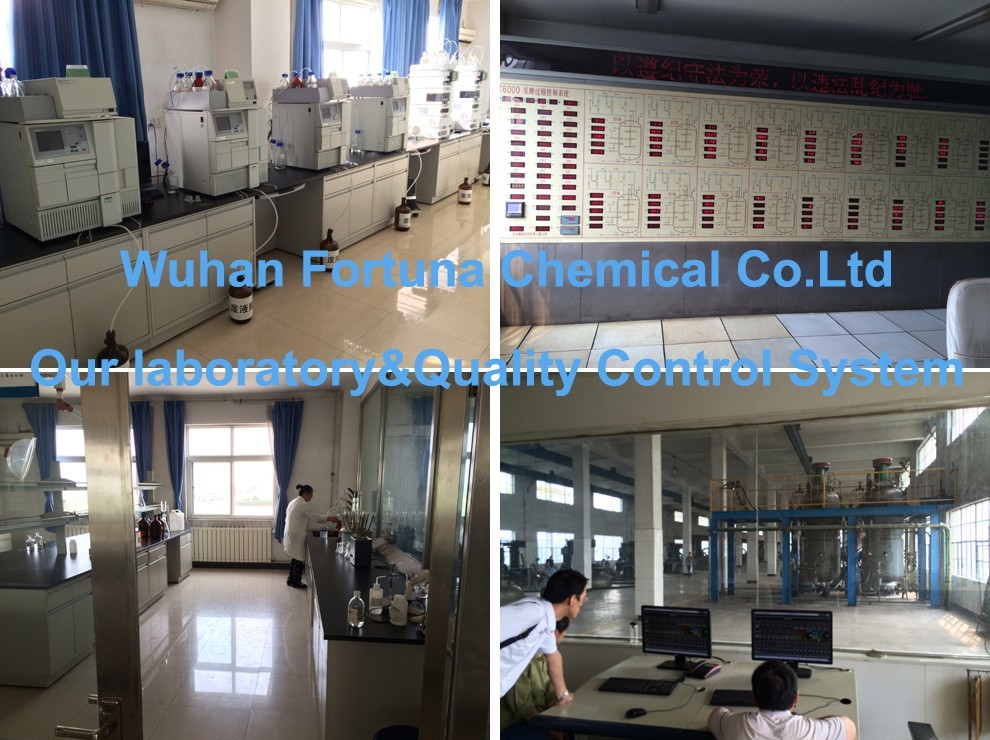
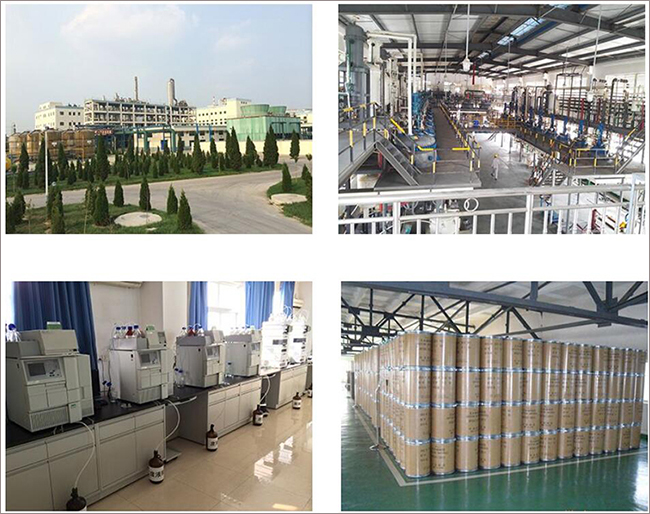
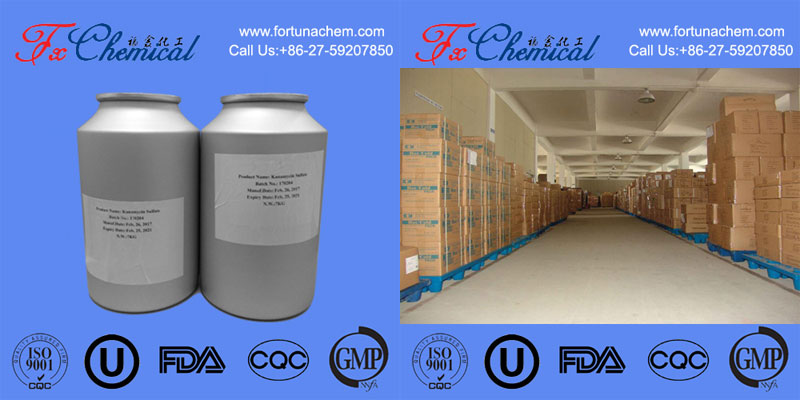

Fortunachem Provides Not Only Professional Chemical Products But Also Professional Help
Keeping you up-to-date with all the latest information, news, and events about Fortunachem!


Quick Links
Add:
E-mail:
 中文
中文