 English
  Español
  français
  العربية
 Search
Search
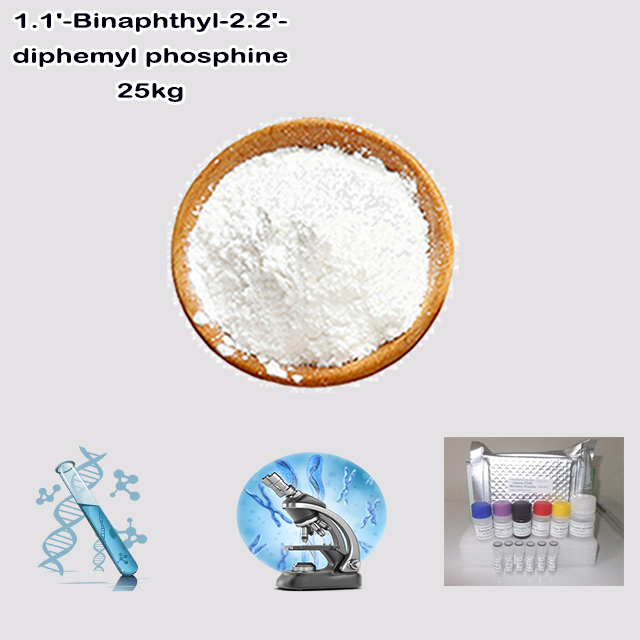
This is BINAP, a premier chiral ligand in chemistry. Its structure features two linked naphthyl rings, each with a diphenylphosphine group, creating a rigid, twisted shape that exists in two mirror-image forms [(R)- and (S)-BINAP].
Its exclusive and revolutionary use is in asymmetric catalysis. When bound to metals like ruthenium or rhodium, BINAP creates catalysts that steer chemical reactions to produce overwhelmingly one chiral enantiomer of a product. This is vital for synthesizing single-handed, active pharmaceutical ingredients.
Key Impact: It enables industrial-scale asymmetric hydrogenation and isomerization. A famous application is the ton-scale production of (-)-menthol. For developing such transformative chiral catalysts, Ryoji Noyori earned the 2001 Nobel Prize in Chemistry.
Items | Specifications | Results |
Appearance | White to off-white powder | White solid |
Assay(HPLC) | ≥98.0% | 98.2% |
Melting Point | 283-286℃ | 284-285℃ |
Conclusion | The product conforms to the above specifications. | |
The compound you're asking about appears to be a slight misnomer. The correct and incredibly important molecule you are referring to is:
BINAP, or more precisely, 2,2'-Bis(diphenylphosphino)-1,1'-binaphthyl.
This is one of the most famous and successful chiral ligands in the history of chemistry. Its structure consists of two naphthalene rings linked at the 1 and 1' positions (the "binaphthyl" core), with a diphenylphosphine (–PPh₂) group attached to the 2 and 2' position of each naphthyl ring.
It exists in two mirror-image forms: (R)-BINAP and (S)-BINAP. This three-dimensional "chiral" shape is the source of its immense utility.
BINAP's sole and revolutionary use is as a ligand in transition metal catalysts to perform asymmetric synthesis—creating molecules with a specific "handedness" (chirality). This is crucial in pharmaceuticals, where typically only one enantiomer of a drug is therapeutically active.
When bound to a metal center (like Ruthenium, Rhodium, or Palladium), the rigid, chiral pocket of BINAP steers a chemical reaction to produce one chiral product overwhelmingly over its mirror image.
Asymmetric Hydrogenation (Nobel Prize-Winning Chemistry):
This is BINAP's most celebrated application. (R)-BINAP-Ruthenium complexes, developed by Ryoji Noyori, can hydrogenate a wide range of functional groups (like ketones and olefins) with extremely high enantioselectivity.
Industrial Example: The synthesis of (-)-menthol by Takasago International, which produces thousands of tons annually using a BINAP-Rhodium catalyst.
Asymmetric Isomerization:
A BINAP-Rhodium catalyst efficiently converts allylic amines to chiral enamines, a key step in the commercial synthesis of the antibiotic (-)-chloramphenicol.
Other Carbon-Carbon Bond Forming Reactions:
BINAP-Palladium complexes are used in asymmetric versions of reactions like the Heck reaction (C–C coupling) and hydrosilylation.
High Efficiency & Selectivity: It provides exceptional enantioselectivity (often >99%) for many reactions.
Broad Substrate Scope: It works on a wide variety of starting materials, making it a versatile tool.
Industrial Viability: Its robustness and effectiveness have made it a mainstay for large-scale manufacturing of single-enantiomer chemicals, especially pharmaceuticals (e.g., antibiotics, antihypertensive agents, and anti-inflammatory drugs).
In summary, 1,1'-Binaphthyl-2,2'-diphosphine (BINAP) is not a drug or material itself. It is a foundational tool of modern synthetic chemistry—a chiral ligand that enables the industrial-scale production of pure, single-handed enantiomers of complex molecules, which is a cornerstone of contemporary drug development and fine chemical synthesis. Its development was a milestone that earned Ryoji Noyori the 2001 Nobel Prize in Chemistry.
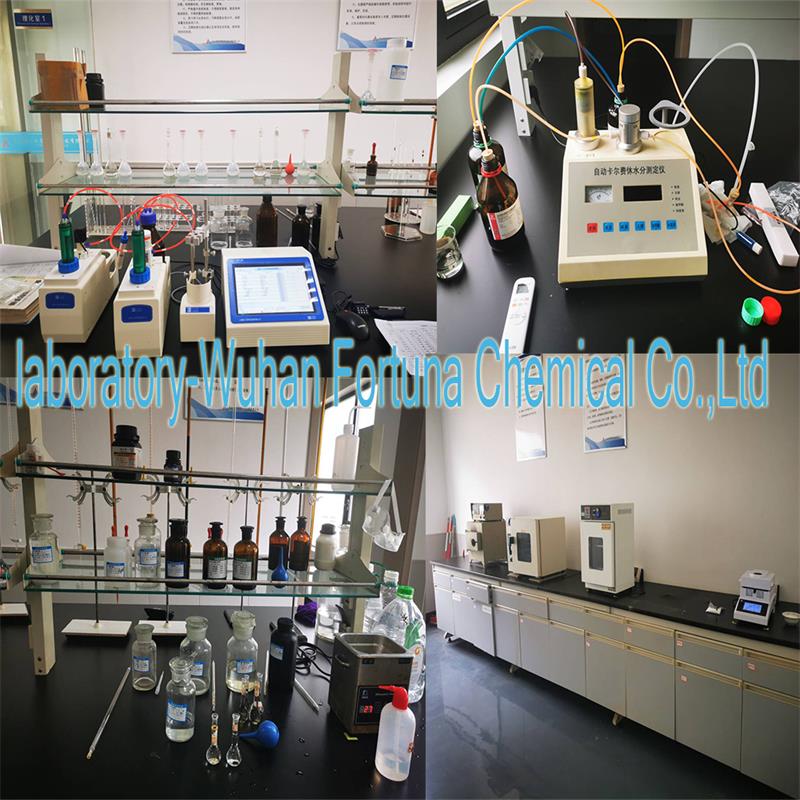
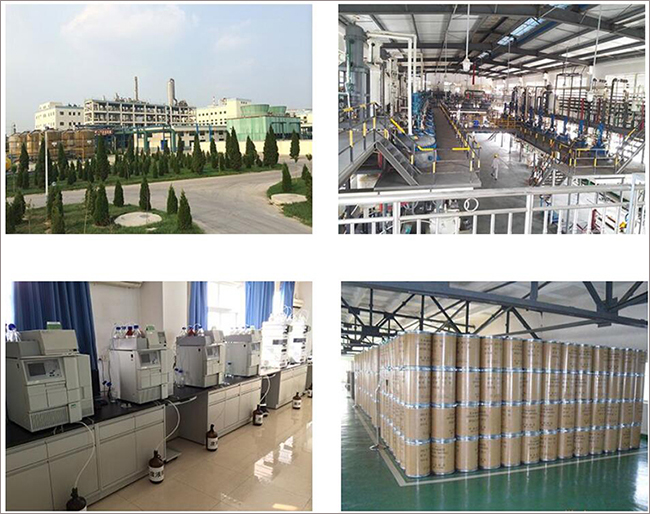

Fortunachem Provides Not Only Professional Chemical Products But Also Professional Help
Keeping you up-to-date with all the latest information, news, and events about Fortunachem!


Quick Links
Add:
E-mail:
 中文
中文