 English
  Español
  français
  العربية
 Search
Search
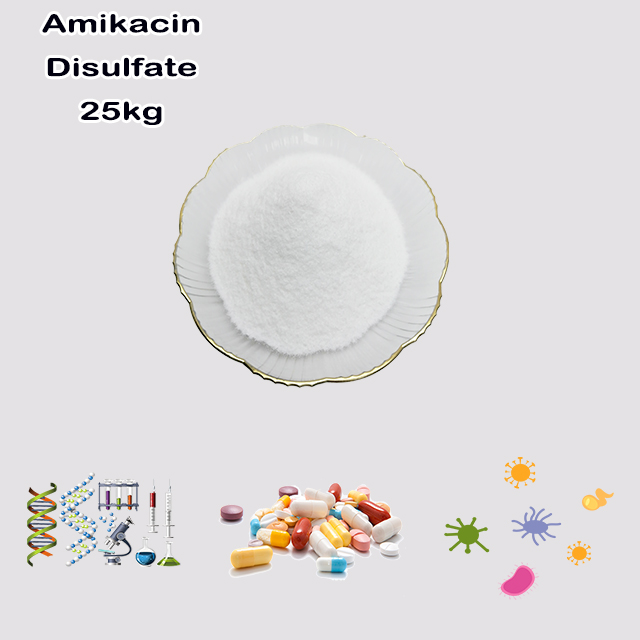

The mechanism of action of amikacin sulfate is to act on the ribosomes in bacteria, inhibit bacterial protein synthesis, and destroy the integrity of bacterial cell walls, resulting in the destruction of bacterial cell membranes and cell death. Amikacin sulfate has strong antibacterial activity against some strains of Escherichia coli, Pseudomonas aeruginosa, Proteus, Klebsiella, Acinetobacter, Citrobacter and some strains of Serratia and Enterobacteriaceae; It also has some antibacterial activity against Mycobacterium tuberculosis, atypical mycobacteria, and Staphylococcus aureus.
Amikacin sulfate is an anti-infective drug used to treat urinary tract infections, sepsis, skin infections, bone and joint infections, pneumonia and lower respiratory tract infections caused by sensitive bacteria.
| ITEMS | SPECIFICATIONS | RESULTS |
| Appearance | White crystalline powder | White crystalline powder |
| pH | 6.0~7.3 | 6.7 |
| Loss on drying | ≤13.0% | 2.0% |
| Specific rotation | +76°~+84° | +79.3° |
| Potency | 691ug/mg~806ug/mg(1:1.8) | 717ug/mg |
| Product parameters | |
| Cas number: | 39831-55-5 |
| Appearance: | White crystalline powder |
| Purity: | 691ug/mg~806ug/mg |
| Package details: | 5BOU/tin; 2tin/carton |
| Brand: | Fortunachem |
Amikacin Disulfate is a salt form of the antibiotic amikacin, specifically where the amikacin base is combined with two sulfate groups. It is a semi-synthetic aminoglycoside antibiotic derived from kanamycin A.
Amikacin disulfate is a potent, broad-spectrum antibiotic used almost exclusively in hospital settings for serious, often life-threatening infections, particularly those caused by Gram-negative bacteria. Its major uses include:
Treatment of Resistant Infections: It is a key drug for infections resistant to other aminoglycosides (like gentamicin or tobramycin) and other antibiotics, due to its stability against many bacterial-inactivating enzymes.
Gram-Negative Bacilli Infections: Used for severe infections caused by bacteria such as Pseudomonas aeruginosa, Escherichia coli, Klebsiella, and Acinetobacter. Common infection sites include:
Complex urinary tract infections
Bloodstream infections (sepsis)
Pneumonia (especially hospital-acquired/ventilator-associated)
Post-surgical or intra-abdominal infections
Mycobacterial Infections: It is a second-line drug in the treatment of multidrug-resistant tuberculosis (MDR-TB).
Combination Therapy: Often used in combination with a beta-lactam antibiotic (like a penicillin or cephalosporin) for synergistic effect and to broaden coverage, especially in febrile neutropenia or empirical treatment of severe sepsis.
Route: Administered only by intravenous (IV) infusion or intramuscular (IM) injection.
Critical Monitoring: Requires careful therapeutic drug monitoring (measuring peak and trough blood levels) due to its narrow therapeutic index.
Major Toxicities: The two main dose-limiting side effects are:
Nephrotoxicity (kidney damage)
Ototoxicity (irreversible damage to the inner ear, leading to hearing loss and/or balance disturbances).
In summary, amikacin disulfate is a powerful, last-line injectable antibiotic reserved for severe, resistant bacterial infections in controlled hospital settings, where its benefits are weighed against significant potential toxicity.
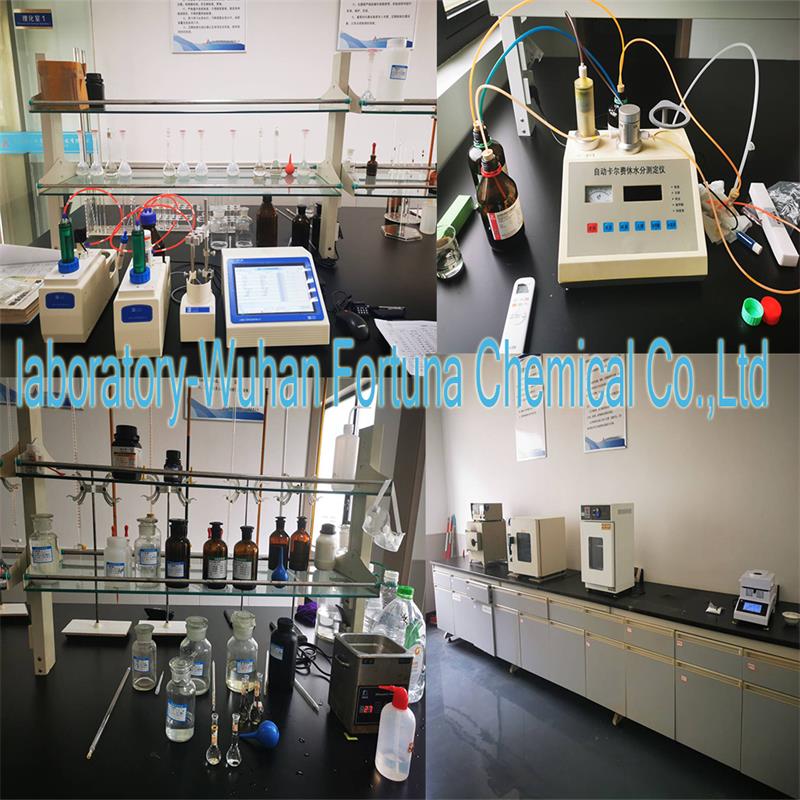

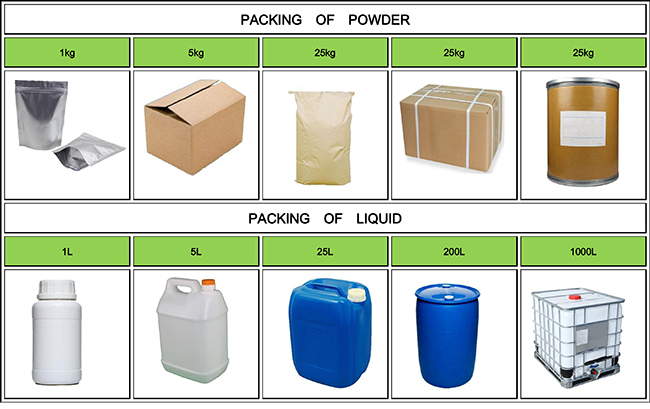
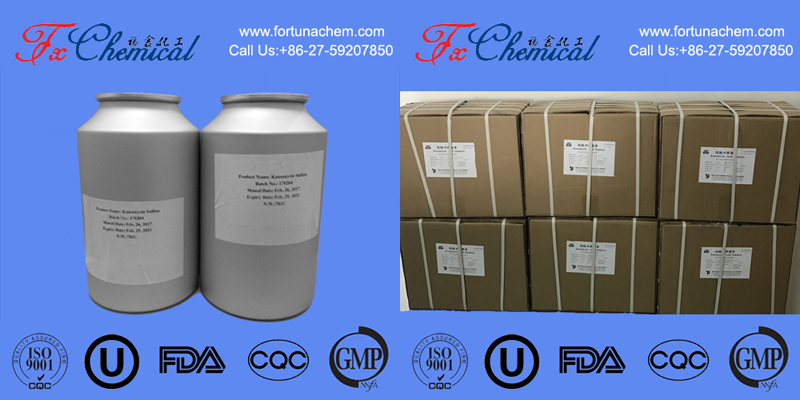

Fortunachem Provides Not Only Professional Chemical Products But Also Professional Help
Keeping you up-to-date with all the latest information, news, and events about Fortunachem!


Quick Links
Add:
E-mail:
 中文
中文