 English
  Español
  français
  العربية
 Search
Search
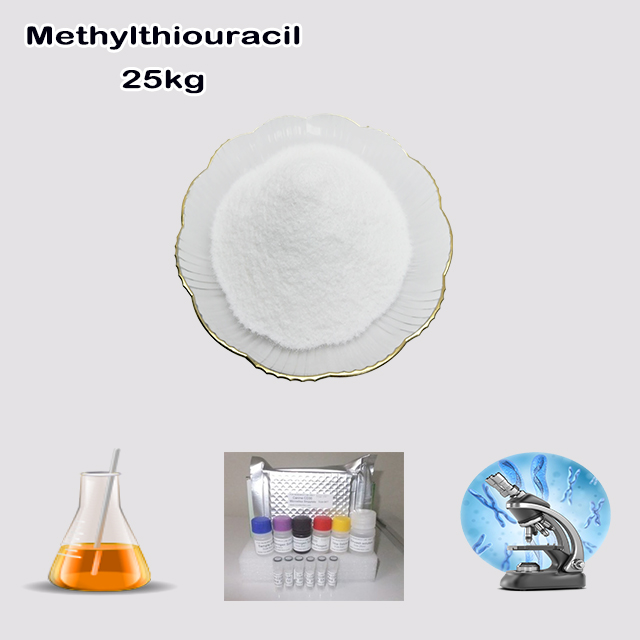
Methylthiouracil is an intermediate of the cardiovascular drug dipyridamole.
Methylthiouracil is an important pharmaceutical intermediate, which not only has antibacterial activity but also can be used to treat hyperthyroidism. It inhibits the production of thyroxine by inhibiting the peroxidase system in the thyroid gland and thus achieving the effect of treating hyperthyroidism.
| Item | Specifications | Results |
| Appearance | Almost white or yellowish crystalline powder | Conform |
| Loss on drying | ≤0.5% | 0.15% |
| Sulphated ash | ≤0.1% | 0.08% |
| Assay | ≥99.0% | 99.26% |
| Product parameters | |
| Cas number: | 56-04-2 |
| Appearance: | Almost white or yellowish crystalline powder |
| Purity: | 99% min |
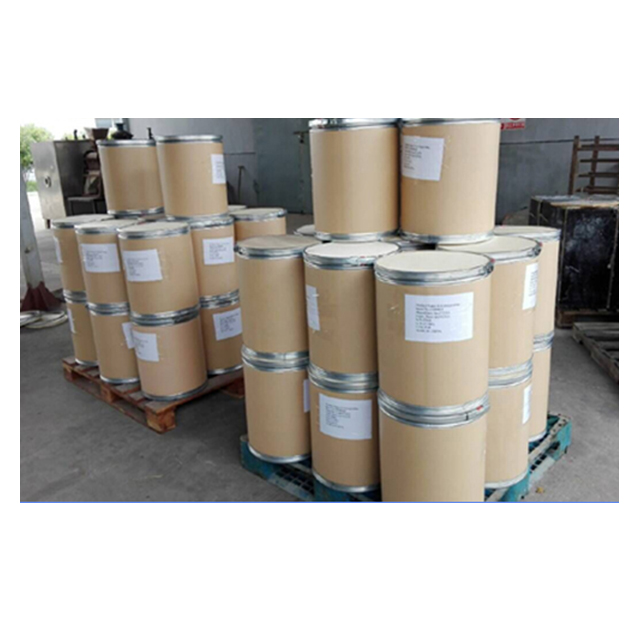
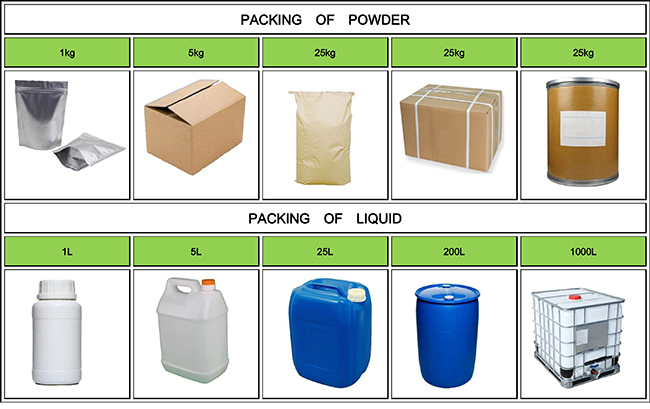
| Package details: | 1kg/foil bag, 25kg/drum |
| Brand: | Fortunachem |
Methylthiouracil is a thiourea-derived antithyroid drug. It belongs to the same class as the more commonly used propylthiouracil (PTU) and methimazole.
Chemical Nature: It is a thiouracil derivative, meaning it contains a thiourea moiety within a uracil (a pyrimidine) base structure.
Primary Action: It works by inhibiting the synthesis of thyroid hormones (thyroxine/T4 and triiodothyronine/T3) in the thyroid gland.
Its therapeutic effect comes from two key actions:
Inhibition of Thyroid Peroxidase: It blocks the enzyme thyroid peroxidase, which is essential for incorporating iodine into tyrosine residues on thyroglobulin—a critical step in thyroid hormone production.
Inhibition of Conversion (Mild): Like PTU, it has a secondary effect of partially inhibiting the conversion of the less active T4 to the more active T3 in peripheral tissues, though this effect is weaker than its synthesis blockade.
Methylthiouracil was used to manage conditions where the thyroid gland is overactive, such as:
Graves' Disease: The most common cause of hyperthyroidism.
Toxic Nodular Goiter.
Preparation for Thyroid Surgery or Radioactive Iodine Therapy: To make a patient "euthyroid" (normal thyroid state) before a definitive procedure.
Methylthiouracil is rarely, if ever, used in modern human medicine. It has been almost entirely replaced by other antithyroid drugs for several critical reasons:
Higher Toxicity: It is associated with a significantly higher incidence of serious adverse effects, particularly:
Agranulocytosis: A severe, life-threatening drop in white blood cells (neutrophils) that increases the risk of serious infections.
Hepatotoxicity: Liver damage.
Vasculitis: Inflammation of blood vessels.
Better Alternatives Available:
Methimazole (MMI): Now the first-line drug for hyperthyroidism in most cases (except during the first trimester of pregnancy). It is more potent, has a longer half-life (allowing once-daily dosing), and has a better safety profile.
Propylthiouracil (PTU): Used in specific situations, such as during the first trimester of pregnancy (due to methimazole's teratogenic risk) or in thyroid storm (because of its stronger inhibition of T4 to T3 conversion). PTU also carries risks of agranulocytosis and hepatotoxicity but is generally preferred over methylthiouracil when needed.
Historical Context: It is an important part of the history of endocrinology and the development of antithyroid therapies.
Veterinary Medicine: It may have historical or very niche use in veterinary practice for treating hyperthyroidism in animals, though safer options are preferred there as well.
Research Chemical: It may be used in laboratory research to experimentally induce hypothyroidism or study thyroid hormone pathways.
(These are cited as reasons for its obsolescence)
Agranulocytosis: The most dangerous risk.
Hepatitis and Liver Failure.
Skin Rashes, Urticaria (hives), and Arthralgia (joint pain).
Drug Fever.
Vasculitis.
In summary, Methylthiouracil is an obsolete antithyroid medication that was once used to treat hyperthyroidism. Due to its unfavorable safety profile, particularly a high risk of agranulocytosis and hepatotoxicity, it has been superseded by safer and more effective drugs like Methimazole and Propylthiouracil. You will find it in medical history books and pharmacological texts, but it is no longer a standard part of the therapeutic arsenal for thyroid disease.

Guaranteed the purity
High quality & competitive price
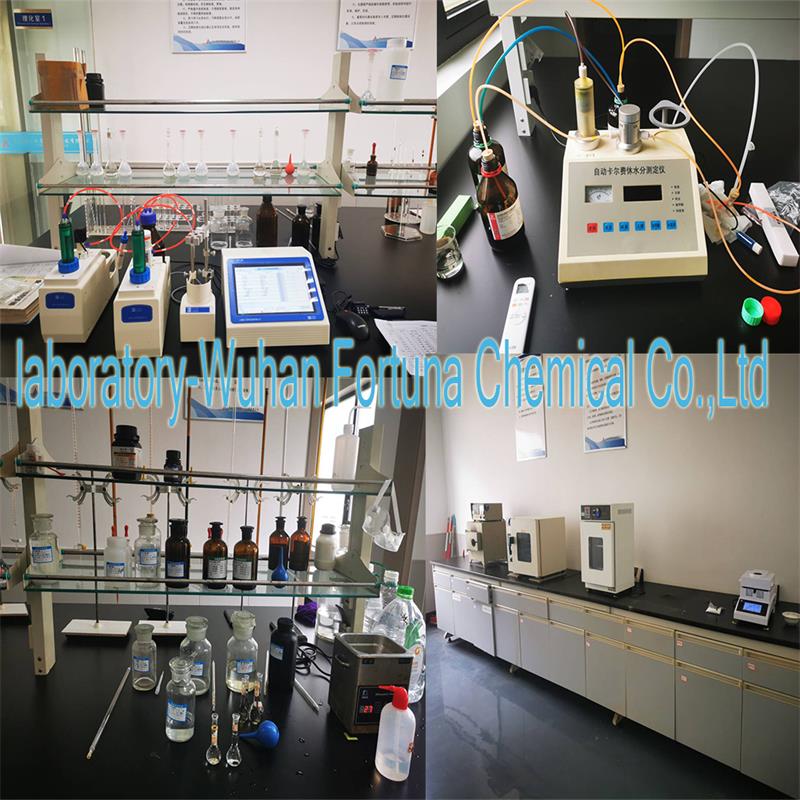
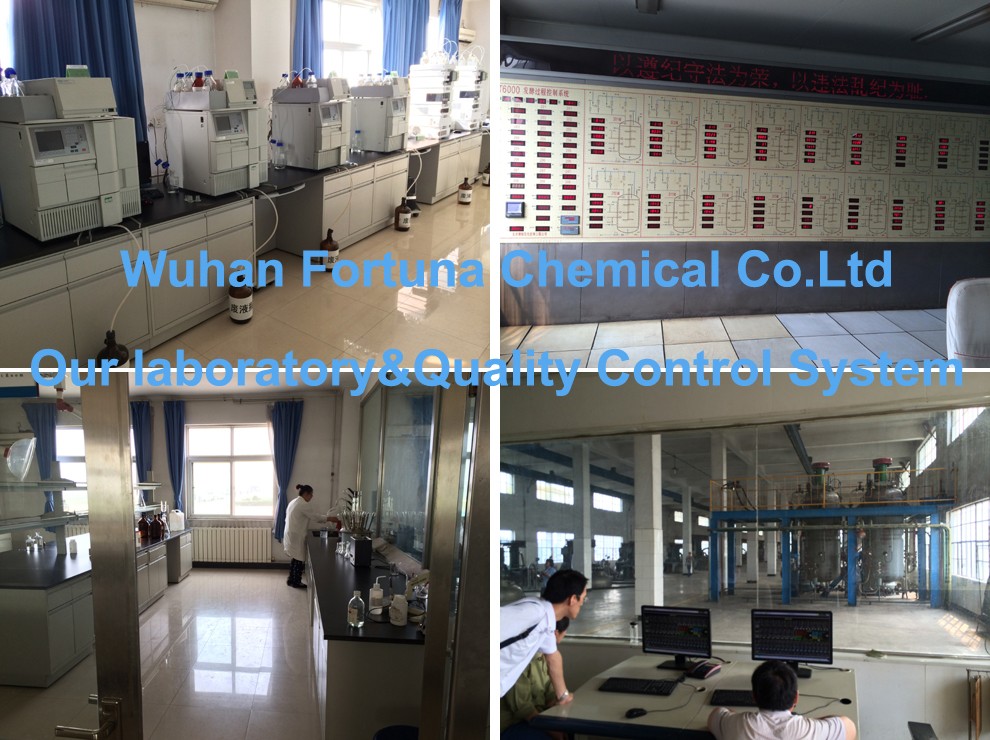
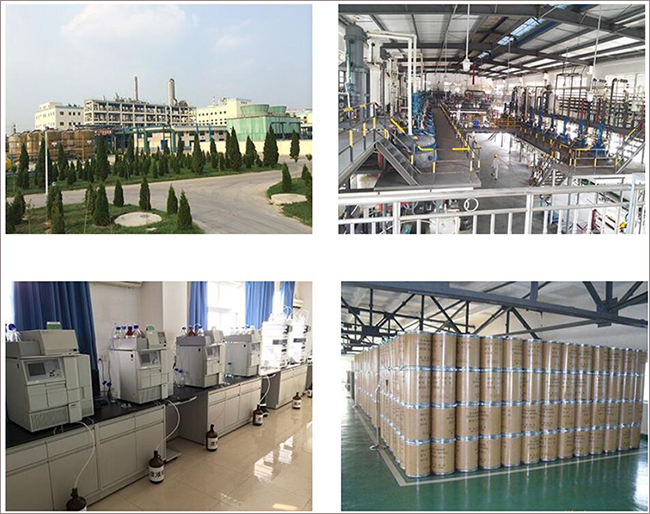
Quality control
Fast feedback
Prompt shipment

Fortunachem Provides Not Only Professional Chemical Products But Also Professional Help
Keeping you up-to-date with all the latest information, news, and events about Fortunachem!



Quick Links
Add:
E-mail:
 中文
中文