 English
  Español
  français
  العربية
 Search
Search
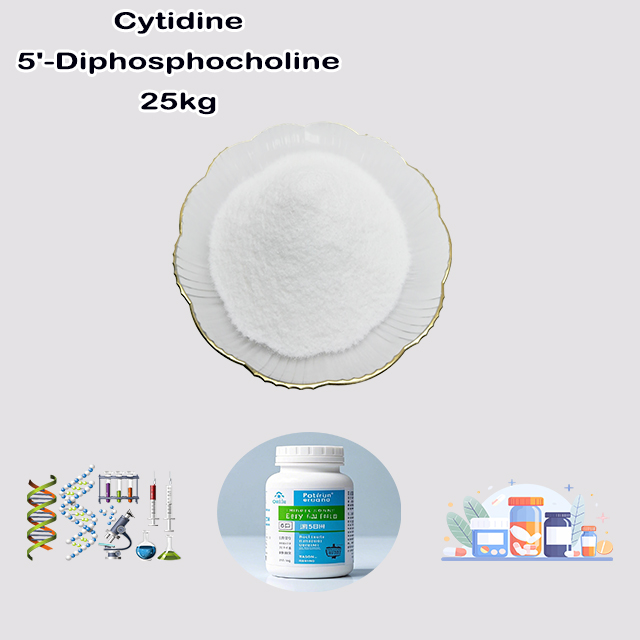
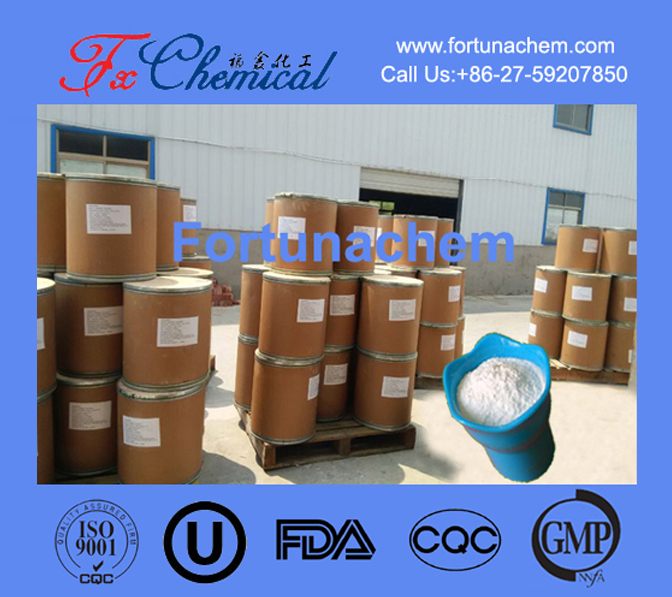
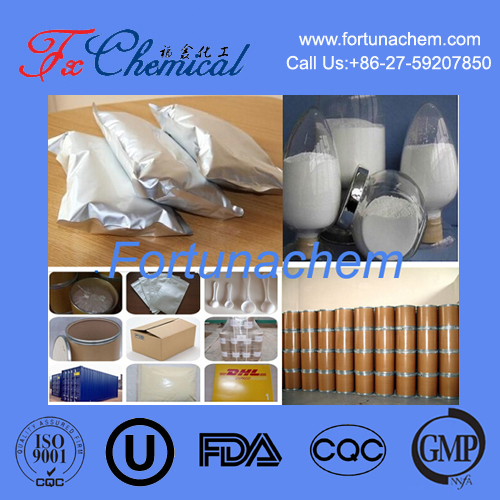
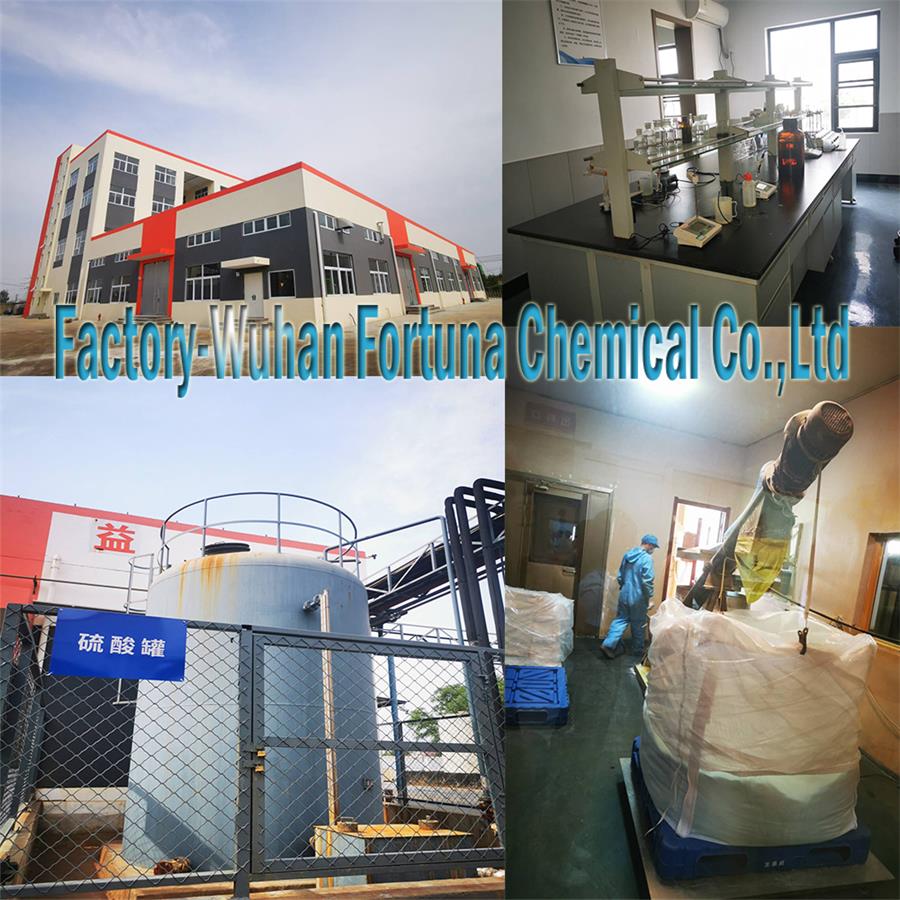
Cytidine 5'-diphosphocholine is used as a pharmaceutical intermediate. Cytidine 5'-Diphosphocholine can stabilize cell membranes by stimulating S-adenosyl-L-methionine, increase the dendritic complexity and spinous process density of motor neuron structures, improve nerve plasticity in non-damaged areas, promote functional recovery, it can reduce the level of water-soluble phospholecithin by upregulating phosphocholinecytidinetransferase (CCT), as well as inhibit the activity of secretory phospholipase A2 (PLA2) or inhibit PLA2 activation by inhibiting TNF-a/IL-1b, reducing phospholipid loss, thereby increasing the synthesis of phospholecithin and repairing nerve cell membranes; It can also increase the expression of anti-apoptotic factors such as Bcl-2 and inhibit glutamate release to reduce cytotoxicity, it can promote the rapid repair of damaged cell surfaces and mitochondrial membranes, maintain cell tightness and biological function, and reduce the release of free fatty acids, thereby reducing the production of toxic oxygenated metabolites and free radicals, it can increase vasopressin and plasma adrenaline levels, stimulate the release of growth hormone, thyrotropin and luteinizing hormone.
Items | Specifications | Results |
Appearance | White crystalline powder | |
Identification | The infrared absorption spectrum of sample should be consistent with that of reference substance | Complies |
Dentification HPLC | The retention time of the major peak in ample solution should be consistent with that in the reference solution | Complies |
pH | 2.5-3.5 | 2.53 |
Clarity and color of solution | The solution should be clear and colorless | Complies |
Ammonium | NMT 0.05% | Complies |
Heavy metals | NMT 10ppm | Complies |
Free phosphoric acids | NMT 0.1% | Complies |
Loss on drying | NMT 5.0% | 3.72% |
Related Substances | ||
5’-CMP | NMT 1.0% | 0.32% |
Assay(Calculated on dry) | NLT 98.0% | 100.92% |
Bulk density | 0.4-0.5g/ml | 0.46 |
Total plate count | NMT 1000CFU/g | Complies |
Fungi count | NMT 100CFU/g | Complies |
E.coli | Absent in 1 g | Complies |
Arsenic | NMT 2ppm | Complies |
Residual solvent | ||
Methanol | NMT 0.3% | 0.15% |
Conclusion | The product complies with the enterprise standards. | |
Welcome to inquiry us to get the complete COA of CYTIDINE 5'-DIPHOSPHOCHOLINE Cas 987-78-0
| Product parameters | |
| Cas number: | 987-78-0 |
| Appearance: | white crystalline powder |
| Purity: | 99.0%min |
| Package details: | 25kg/Carton box |
| Brand: | Fortunachem |
Cytidine 5'-Diphosphocholine (CDP-Choline) is a naturally occurring compound found in every cell of the body and is an essential intermediate in the biosynthesis of phosphatidylcholine, a critical phospholipid that makes up a major part of cell membranes, particularly in the brain.
In simpler terms, it's a potent nootropic and neuroprotective supplement that provides the raw building blocks your brain needs to create and maintain healthy cell membranes and facilitate communication between brain cells.
To understand CDP-Choline, it's helpful to know what it delivers to the body. When you ingest CDP-Choline, it is broken down into two key components that are readily absorbed and used by the brain:
Cytidine: This is a nucleotide (a building block of RNA). In the brain, cytidine is converted into uridine, which is essential for the synthesis of new neural tissues and synapses.
Choline: This is a vital nutrient, a precursor to the neurotransmitter acetylcholine (crucial for memory, learning, and muscle control) and a key component of phosphatidylcholine.
The power of CDP-Choline lies in this dual mechanism. It efficiently delivers both of these critical compounds directly to the brain, where they work synergistically.
Key Functions and Mechanisms:
Repairs and Builds Cell Membranes: It is a primary source for synthesizing phosphatidylcholine, which is a fundamental structural component of neuronal membranes. By supporting membrane integrity, it helps neurons maintain proper fluidity, flexibility, and function.
Enhances Neurotransmitter Production: The choline component is used to produce acetylcholine, one of the most important neurotransmitters for memory, focus, and cognitive speed.
Boosts Brain Energy Metabolism: It helps increase the synthesis of neural energy reserves and supports cerebral blood flow, ensuring the brain has the fuel it needs to perform optimally.
Protects Against Damage (Neuroprotection): It helps repair damaged neuronal membranes after injury (like a stroke or concussion) and has been shown to reduce the size of the damaged area. It also acts as an antioxidant within the brain.
While the body can produce some CDP-Choline endogenously, it is also obtained from the diet, though not in the compound form itself. You get the precursors from:
Choline-rich foods: Eggs (especially the yolk), liver, beef, soybeans, peanuts, and cruciferous vegetables like broccoli.
Cytidine/Uridine sources: These are found in foods containing RNA, such as brewer's yeast, organ meats, and tomatoes.
However, just like with NMN, it is difficult to get a therapeutic dose from diet alone. CDP-Choline is widely available as a dietary supplement (often under the name Citicoline) and is also used as a prescription drug in many countries for treating stroke and brain injury.
The research on CDP-Choline is more extensive in humans than for many other nootropics, particularly in the context of neurological injury and age-related decline.
Well-Supported Benefits Include:
Stroke Recovery: It is widely used (especially in Europe and Japan) as a pharmaceutical drug to aid recovery from ischemic strokes. It helps repair brain tissue, reduce neurological damage, and improve cognitive and motor function recovery.
Cognitive Enhancement: Studies show it can improve memory, attention, and executive function in both healthy adults and those with age-related cognitive decline.
Brain Injury: Shown to be beneficial in cases of traumatic brain injury (TBI) and concussion by supporting membrane repair.
Eye Health (Glaucoma): It has been studied for its potential to protect retinal neurons and improve visual function in certain types of glaucoma and other optic nerve diseases.
Neurodegenerative Diseases: Research is ongoing for its potential supportive role in conditions like Alzheimer's and Parkinson's disease, primarily by supporting overall brain cell health and acetylcholine levels.
CDP-Choline is generally considered very safe and well-tolerated. It has a low side-effect profile. The most common potential side effects are mild and may include:
Headache
Gastrointestinal discomfort (nausea, diarrhea)
Insomnia (if taken too close to bedtime due to its cognitive-stimulating effects)
Low blood pressure in some individuals
As always, it's recommended to consult with a healthcare professional before starting any new supplement regimen.
While both are important biomolecules, they have distinct roles:
| Feature | β-Nicotinamide Mononucleotide (NMN) | Cytidine 5'-Diphosphocholine (CDP-Choline) |
|---|---|---|
| Primary Role | Cellular Energy & DNA Repair | Brain Structure & Neurotransmission |
| Key Molecule | Boosts NAD+ | Provides Choline & Cytidine |
| Main Target | All cells (especially mitochondria) | Primarily Brain and Nervous System |
| Primary Benefit | Anti-aging, energy metabolism, activating sirtuins | Neuroprotection, memory, focus, brain repair |
In essence, CDP-Choline is a powerhouse for brain-specific structural repair and cognitive function, whereas NMN is a systemic booster for fundamental cellular energy and repair processes.
Guaranteed the purity
High quality & competitive price
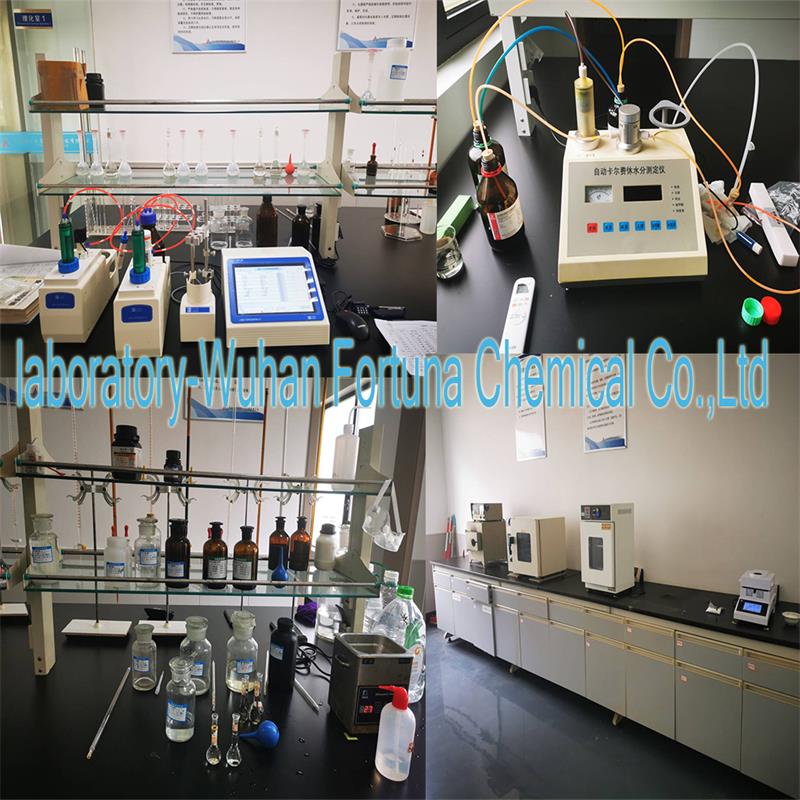
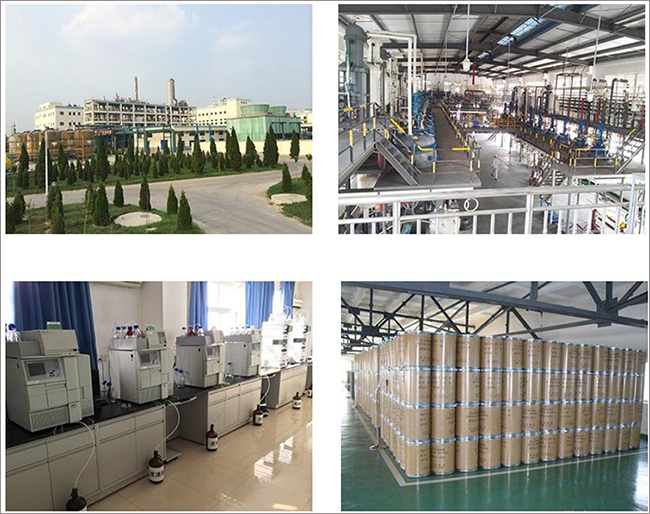
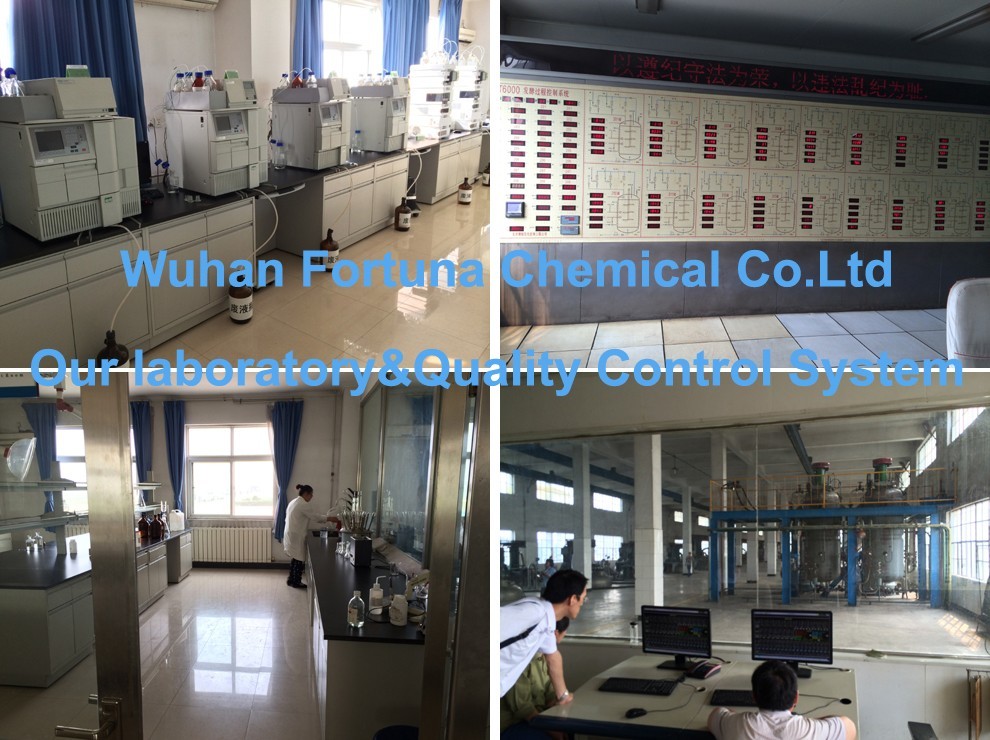
Quality control
Fast feedback
Prompt shipment

Fortunachem Provides Not Only Professional Chemical Products But Also Professional Help
Keeping you up-to-date with all the latest information, news, and events about Fortunachem!


Quick Links
Add:
E-mail:
 中文
中文